
OEM vs ODM Clothing Manufacturer Guide: Key Differences
1189 words
OEM means the factory produces your design — your tech pack, your pattern, your brand. ODM means the factory supplies its own ready-made designs that you customise with your fabric choices and branding. Choose OEM when design ownership is the priority; choose ODM when speed, lower minimums and less development risk matter more.
The OEM vs ODM clothing decision shapes your budget, your calendar and how defensible your range is, yet new buyers mix the two up constantly — and the mistake is expensive. Sampling an existing ODM style typically takes 5–7 working days at minimums of 100–300 pieces, while full OEM development runs 2–4 weeks with minimums that usually start around 500 pieces per style. For identical construction, an ODM style also generally prices 10–20% higher per unit, because development is amortised across fewer buyers. This guide comes from GorgeousBen, a menswear manufacturer with 20+ years of OEM and ODM production behind it.
What Is an OEM Clothing Manufacturer?
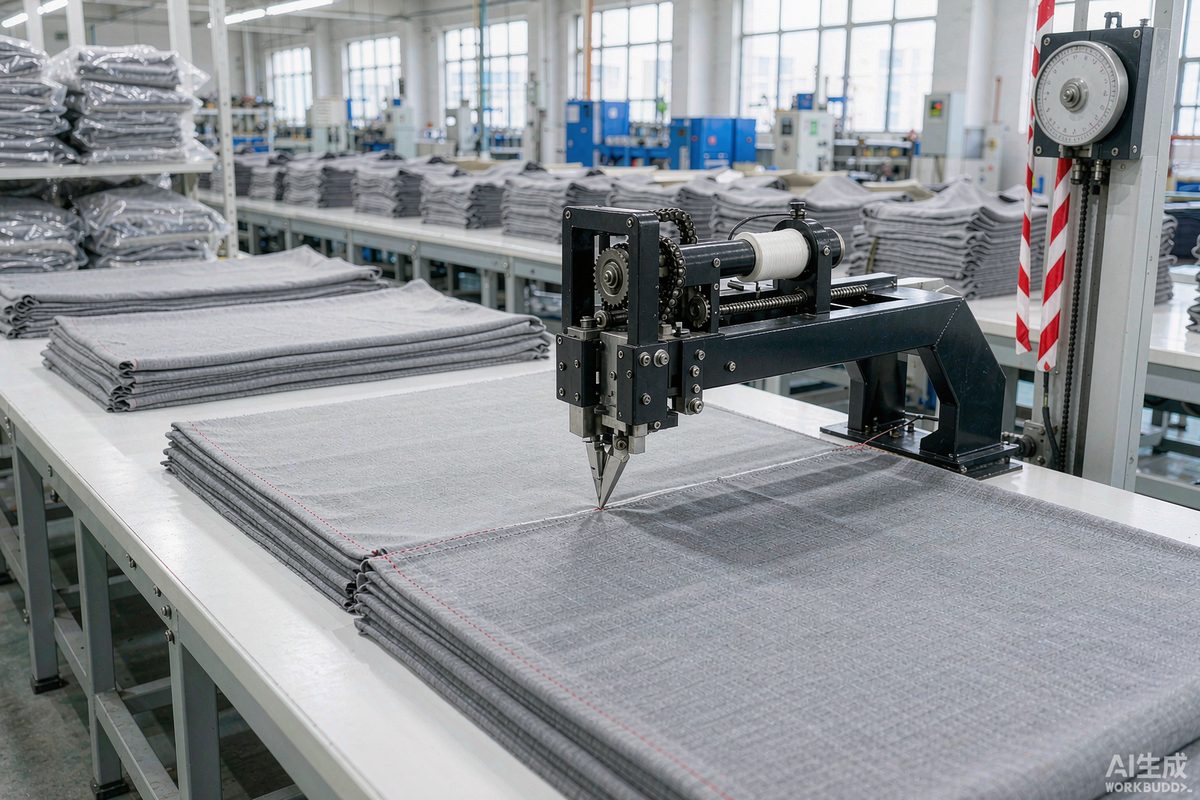
OEM in practice: the buyer’s pattern and fabric specification govern every lay on the GorgeousBen cutting table.
OEM stands for Original Equipment Manufacturer, and in apparel it means the factory makes garments to the buyer’s own specification. You bring the design — a tech pack, a reference sample, or both — and the manufacturer handles pattern making, sampling, fabric sourcing and bulk production exactly as specified. Fabric weight, stitching, labels, fit and packaging are all decided by you before the first cut.
The advantages compound with scale. The design is legally yours, so no competitor can order the same style; the fit block becomes your brand’s signature over seasons; and at higher volumes the unit cost drops because you are paying for production, not someone else’s development. The trade-offs are real, though: a complete tech pack is expected, development takes weeks instead of days, and the buyer carries the risk if the style does not sell.
What Is an ODM Clothing Manufacturer?

An ODM base style: the design already exists — the buyer adds fabric choice, details and brand labels.
ODM stands for Original Design Manufacturer. Here the factory invests in its own style library — patterns developed from trend research, past buyer orders and seasonal fabric availability — and offers those designs for buyers to customise. You select a base style, choose your fabric and colours, adjust details such as pockets or trims, and add your brand labels. At the light end this is essentially private label clothing manufacturing: the garment exists, your brand goes on it.
For a new brand, ODM removes most of the entry risk. There is no pattern fee, sampling is fast, and minimum order quantities are low enough to test several styles in one season. The compromise is exclusivity: the factory owns the base design, so unless you negotiate exclusivity, the same silhouette may appear in other buyers’ ranges — without their branding, but recognisably similar.
OEM vs ODM: Side-by-Side Comparison
The table below summarises how the two models differ on the points that actually drive a sourcing decision:
| Aspect | OEM | ODM |
|---|---|---|
| Design source | Buyer’s tech pack and pattern | Factory’s existing style library |
| Design ownership | Buyer owns the design | Factory owns the base design |
| Typical MOQ | Around 500+ pieces per style | 100–300 pieces per style |
| First sample | 2–4 weeks (development) | 5–7 working days |
| Unit cost | Lower at volume | 10–20% higher, development amortised |
| Exclusivity | Full | Limited; negotiable |
| Best for | Established brands, signature styles | New brands, market tests, fast restocks |
Read the table as a decision rule, not a ranking. If both columns describe your situation, many manufacturers — GorgeousBen included — will quote a hybrid: an ODM base style reworked with your fit adjustments, fabric weight and branding, which moves part-way toward OEM without the full development cost.
When OEM Wins — and When ODM Is the Smarter Choice

Both models end on the same line: OEM and ODM orders are sewn and inspected to the same standard.
OEM is the right call when the garment itself is the brand. Signature fits, technical outerwear, trousers with a proprietary cut — these earn their development cost because customers come back for something they cannot buy elsewhere. OEM also wins on volume: once a style proves itself season after season, producing it under your own pattern at scale is cheaper than renting a design forever.
ODM is the smarter choice when time, cash or certainty is short. Launching a first range, testing a new category before committing, restocking mid-season against a sales spike, or filling a mixed container for a regional market — all of these favour ready-made designs and low minimums. A practical path many buyers follow: validate with ODM quantities, then move proven styles to full OEM production with their own graded size chart and fabric specification.
How GorgeousBen Handles Both Models
GorgeousBen Fashion is a menswear manufacturer with 20+ years of OEM and ODM experience, based in Quanzhou, Fujian, producing jackets, shirts, trousers and casual wear for wholesale and private-label buyers in more than 40 countries. On the OEM side, in-house pattern makers work directly from buyer tech packs; on the ODM side, the team maintains a style library refreshed every season across six casual-wear categories. Both models run through the same cutting, sewing and inspection lines, so quality expectations do not change with the paperwork.
Not sure which model fits your next order? Compare the two routes on the GorgeousBen OEM/ODM services page, browse finished styles in the product catalogue, or contact the team with your tech pack or target styles for a quotation.
Frequently Asked Questions
What is the difference between OEM and ODM in clothing manufacturing?
In OEM production the buyer supplies the design — tech pack, measurements and materials — and the factory manufactures it. In ODM production the factory supplies its own existing designs, and the buyer customises details such as fabric colour, trims and branding. OEM gives full design ownership; ODM trades exclusivity for faster sampling and lower minimum order quantities.
Which is cheaper: OEM or ODM?
For a given construction, ODM styles typically price 10–20% higher per unit because the factory spreads development cost across fewer buyers. OEM becomes cheaper at volume: the buyer pays for pattern making and sampling up front, but large runs of an owned design carry no development premium. For orders of a few hundred pieces, ODM is almost always the cheaper route overall.
What are typical MOQs for OEM and ODM clothing orders?
ODM orders commonly start at 100–300 pieces per style because the design work is already done. Full OEM production usually requires around 500 pieces per style or colour, driven mainly by minimum fabric quantities and machine set-up times. Exact thresholds vary by garment type: basic T-shirts can go lower, while tailored jackets and outerwear need higher volumes.
Who owns the design in an OEM versus an ODM order?
In an OEM order the buyer owns the design: the tech pack, pattern and samples belong to the brand, and the factory should not reproduce the style for anyone else. In a standard ODM order the factory owns the base design; the buyer’s branding is exclusive, but the silhouette may appear in other buyers’ ranges. Exclusivity on an ODM style can usually be negotiated against a volume commitment.
Can I start with ODM and switch to OEM later?
Yes, and it is a common path. Many buyers validate a style with ODM quantities first, then move proven sellers to full OEM production with their own graded size chart, fabric specification and branding. Sharing the ODM sample and fit history with the factory shortens OEM development considerably, often to around two weeks per style.