
Why T-Shirts Lose Shape After Washing & How to Avoid It
805 words
A t-shirt that sags at the collar and twists at the seams after five washes is not a laundry accident - it was built that way. The difference between a tee that dies in a month and one that holds its shape for years comes down to four construction details you can check in about 30 seconds, in-store or from a product page.
As a menswear manufacturer that produces hundreds of thousands of knitted and woven garments a year, GorgeousBen Fashion sees exactly where cheap tees cut corners - because we are often asked to fix those same problems for brands switching suppliers. Here is what actually goes wrong, and how to spot a well-made t-shirt before you pay for it.
It's Not Your Washing Machine
Hot water and tumble drying accelerate the damage, but they are not the root cause. A properly constructed cotton t-shirt should survive 50+ standard wash cycles with minimal change in measurements - reputable factories test exactly this, typically accepting under 3-5% shrinkage. If your tee looks wrecked after five gentle washes, the problem was sewn into it.
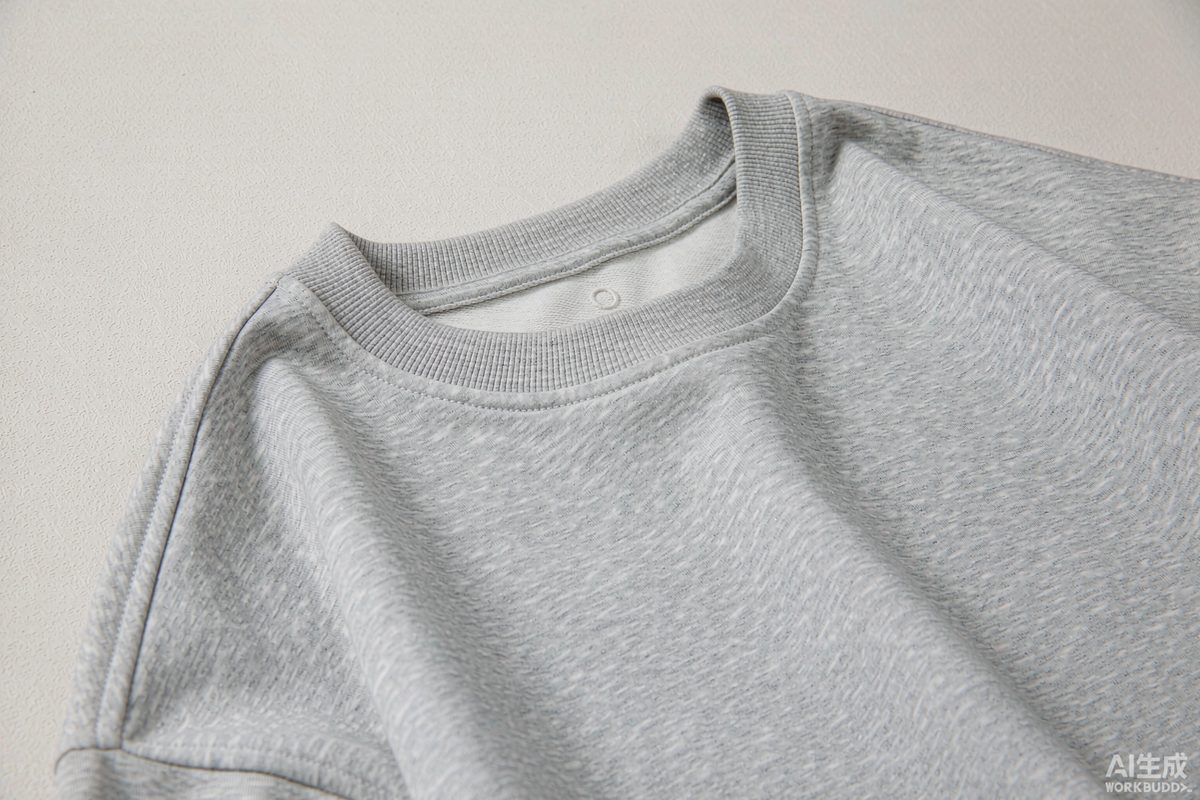
The collar tells you everything. A tight, thick ribbed collar with clean cover stitching survives years; a thin, floppy one waves after a few washes. (Image: AI-generated illustration)
The 4 Checks That Predict a T-Shirt's Lifespan
1. Fabric weight (GSM)
GSM means grams per square meter - the single best predictor of durability. Budget fast-fashion tees often sit at 130-150 GSM, thin enough to read a newspaper through. A quality everyday tee starts around 180 GSM; heavyweight tees run 200-220 GSM. Heavier fabric resists stretching, holds its drape, and pills less. Product pages that hide the GSM number are usually hiding it for a reason.
2. Knit density and yarn quality
Hold the fabric up to the light. Tight, even knitting with no visible gaps means longer yarn fibers and a denser knit - both resist distortion. Combed cotton and ring-spun cotton remove short fibers and impurities, which is why they feel smoother and pill far less than open-end spun cotton at the same weight.
3. Collar construction
The infamous "bacon collar" happens when the ribbing is too thin, too loosely knitted, or sewn with a single row of stitching. Look for a ribbed collar that snaps back when stretched, ideally with shoulder-to-shoulder taping (a fabric strip sewn over the back neck seam) - it stops the collar from stretching out and adds almost nothing to the cost, which is why its absence is pure corner-cutting.
4. Side seams and stitching
Twisted side seams come from fabric cut off-grain - the knit's natural torque pulls the seam toward the front or back after washing. Check that side seams hang straight when the tee is laid flat. Double-needle stitching at hems and sleeves costs a factory a few extra seconds per garment and adds months to the tee's life.
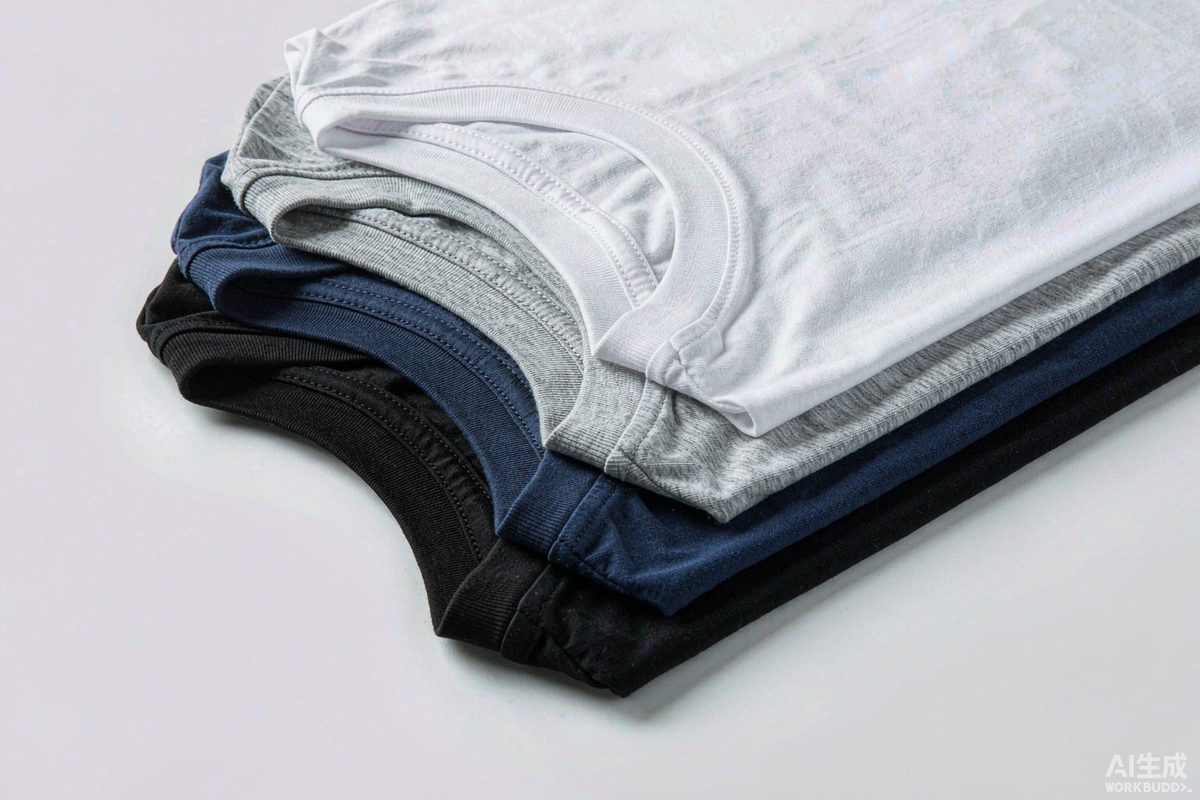
A small stack of well-made 180-220 GSM tees in neutral colors outlasts a drawer full of thin ones - and costs less per wear. (Image: AI-generated illustration)
How to Wash So Good Tees Last Even Longer
- Cold water, inside out - protects both the fibers and the surface finish.
- Skip the tumble dryer when you can; line dry flat or on a hanger. Heat is the main shrinkage driver, not water.
- Don't overload the machine - tightly packed loads stretch collars and twist seams while wet.
- Fold, don't hang, heavy tees for storage - hangers stretch shoulders over months.
The Cost-Per-Wear Math
A $12 tee that survives 10 washes costs $1.20 per wear. A $30 heavyweight tee that survives 150 washes costs $0.20 per wear. Buy-once quality is not a luxury position - it is arithmetic. This is also why, at GorgeousBen, the t-shirts and knit tops we produce for retail brands are specified at 180 GSM and above with taped collars as standard, and why shrinkage testing is part of every bulk inspection we run.
FAQ
What GSM is best for an everyday t-shirt?
For most climates, 180-200 GSM hits the sweet spot: substantial enough to hold shape and drape well, light enough for warm weather. Below 160 GSM, expect visible wear within a season of regular use.
Does 100% cotton shrink more than blends?
Untreated 100% cotton can shrink 3-5% on first wash; quality factories pre-shrink (sanforize or compact) the fabric so the finished garment stays within 3%. Cotton-poly blends shrink less but pill more - pre-shrunk combed cotton is the better long-term choice for shape retention.
Why do black t-shirts fade faster than white ones?
Dark dyes sit closer to the fabric surface and wash out gradually, especially with hot water and harsh detergent. Cold washing inside out slows fading dramatically; it does not indicate lower fabric quality.
Is "pre-shrunk" on the label reliable?
From established brands, yes - it means the fabric was mechanically compacted before cutting. The term is unregulated for cheap marketplace sellers, so treat it as a claim to verify against the other checks above: GSM, knit density, collar and stitching.
Ready to replace the drawer of sagging tees? Browse our menswear collection - built by the same factory that supplies retail brands worldwide, with the construction details this guide just taught you to look for.