Shade mismatches between your approved sample and bulk delivery can eat 8–15% off a season's margin. The fix is not luck—it is a controlled color workflow: signed lab dips, capped dye-lot variation, and documented fastness tests. In this guide, GorgeousBen walks buyers through the four checkpoints that keep every production lot within a Delta E of 1.5.
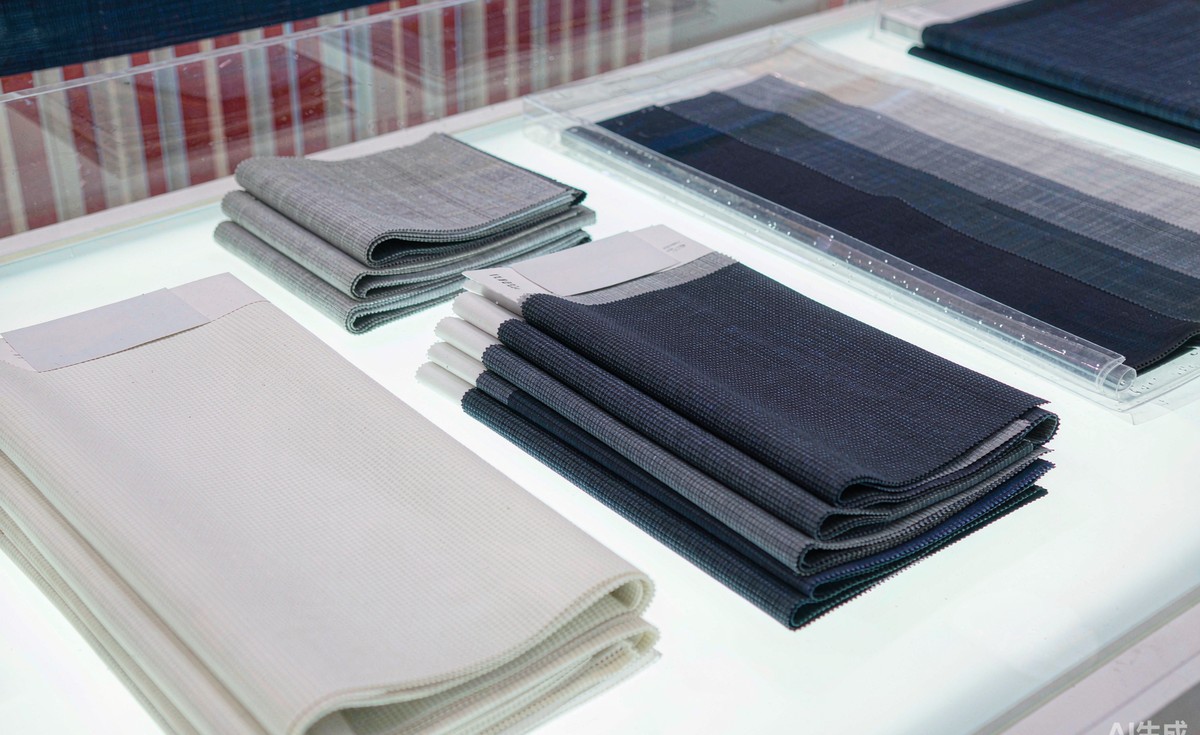
Fabric lab dips evaluated under standardized daylight are the first gate between sample and bulk.
Why Color Consistency Is a Hidden Cost Driver
Most buyers discover color problems only after the first carton is opened. By then, re-dyeing or discounting is the only option. A 2024 textile-industry survey found that 34% of apparel returns linked to "not as pictured" trace back to shade variation, not style or size. For wholesale orders, even a half-shade difference can trigger chargebacks, markdowns, or canceled re-orders.
The cost is not just financial. Inconsistent color erodes brand trust, especially for logo-free menswear lines where fabric quality and shade depth carry the product identity. Buyers who treat color as an aesthetic detail rather than a measurable spec leave money on the table.
The Lab Dip Approval Process Buyers Should Enforce
A lab dip is a small, lab-dyed swatch that shows how the factory interprets your color standard. It must be approved before bulk fabric is ordered. Skipping this step or approving verbally is the fastest route to a shade dispute.
Here is the minimum lab dip protocol GorgeousBen recommends:
- Submit a physical master swatch — Pantone codes alone are not enough; lighting, substrate and finish all shift the reading.
- Request three submitted dips — light, target and dark — so you can choose the direction rather than accept a single attempt.
- Evaluate under D65 daylight and store one retained approved dip for bulk comparison.
- Sign off in writing with the lab dip number, date and the Delta E tolerance agreed for bulk.
Bulk Dyeing: How Factories Control Shade Variation
Once a lab dip is approved, the real work begins. Bulk dye lots rarely come out identical because water chemistry, temperature curves and fabric roll tension vary from batch to batch. A reliable factory splits production into controlled dye lots and tests the first bulk roll against the retained lab dip before continuing.
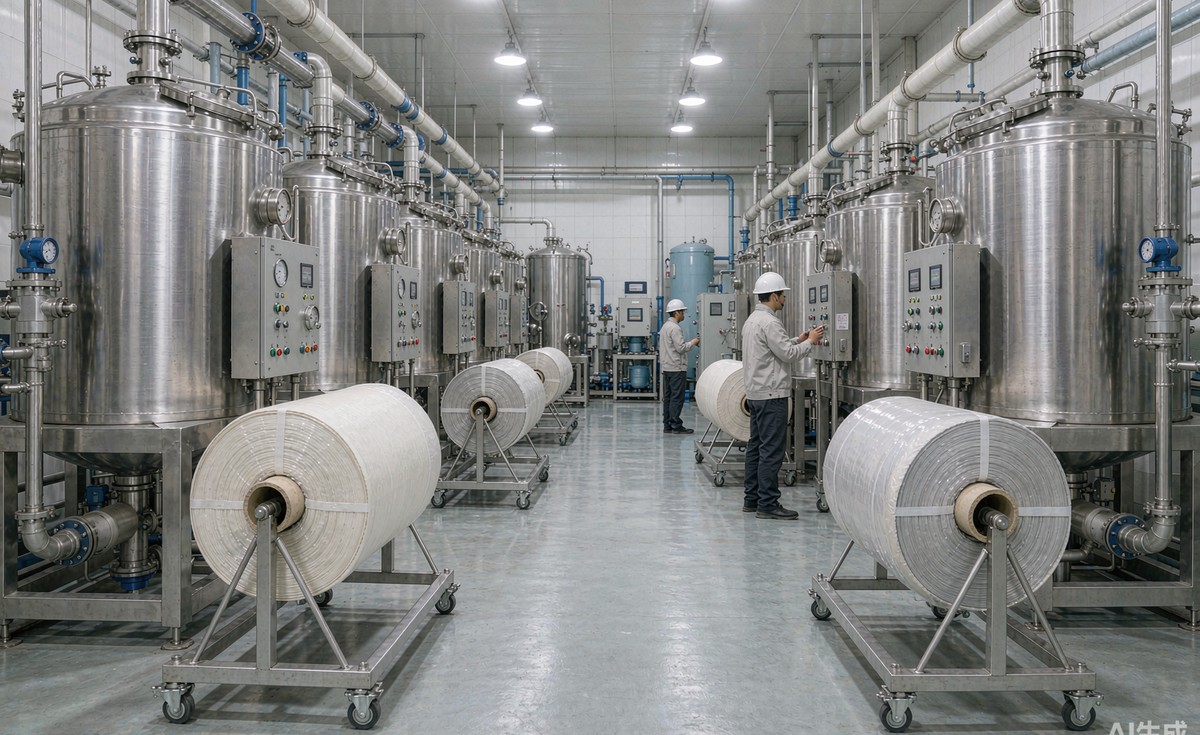
Industrial dye lots must be matched roll-to-roll before cutting to prevent shade banding across size sets.
Key bulk controls include:
- Same dye recipe, same dye house — splitting an order across two mills invites visible lot-to-lot shifts.
- Roll sequencing — garment panels cut from adjacent rolls reduce apparent shading within one size run.
- Light-box review of every bulk lot under the same D65 source used for the lab dip.
Clear written standards remove the ambiguity that causes most color disputes. Reference the physical master swatch, state the acceptable Delta E, list the evaluation light source, and require a pre-shipment bulk shade comparison against the retained lab dip.
Color Fastness Tests That Protect Your Brand
Color consistency is also about how the shade survives wearing and washing. A color that looks perfect on day one but fades after three washes is not truly consistent. Buyers should request third-party or in-house fastness reports for every new colorway.
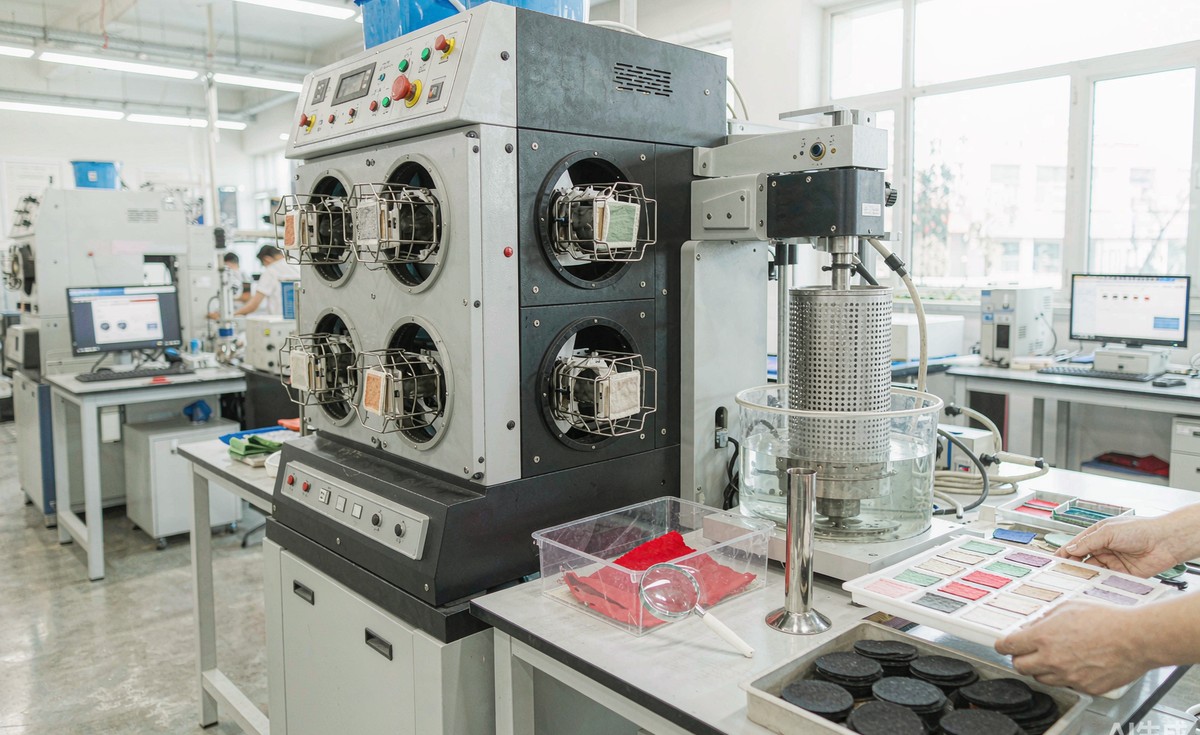
Rubbing, washing and light fastness tests predict how the shade will hold up after the customer takes it home.
| Test |
What It Checks |
Minimum Acceptable Grade |
| Wash fastness |
Color loss or staining after home laundering |
3–4 |
| Rubbing / crocking |
Dry and wet color transfer to other fabric |
3–4 |
| Light fastness |
Fading under UV or store lighting |
4 |
| Perspiration fastness |
Color change from body moisture |
3–4 |
Frequently Asked Questions
What is a lab dip in apparel production?
A lab dip is a small fabric swatch dyed in the lab to match the buyer's color standard. It must be approved before bulk dyeing begins.
How much shade variation is acceptable in bulk apparel?
Most premium brands accept a Delta E of 1.5 or less. Mass-market tolerance is often 2.0–2.5. The exact number should be written into the tech pack and purchase order.
Why does the same color look different under store lights and daylight?
This is metamerism. Two fabrics can match under one light source but not another. Standardized D65 daylight evaluation reduces this risk and should be used for approvals.
Can color fastness be tested after production is finished?
Yes, but it is reactive. Fastness should be validated on the lab dip and first bulk lot so any dye or finishing issue is caught before full cutting.
How does GorgeousBen handle color consistency for OEM/ODM orders?
GorgeousBen runs lab dip sign-off, bulk roll shade review and fastness verification as standard steps on every OEM/ODM order. Buyers receive a retained sample and test report for each colorway.
Get bulk production that matches your sample. Color consistency is not a detail you fix at the end of production. It is built into the first lab dip and verified at every dye lot. If you are sourcing menswear and want a partner that treats shade, fastness and finish as measurable specs, contact the GorgeousBen team for a sample review and production quote.
You can also browse our current menswear product range to see fabric and color standards in production.


