Most late deliveries in apparel manufacturing are not caused by sewing. They are caused by fabric arriving late. In a typical 45 to 60 day order, fabric alone takes 15 to 45 days - and the mill will not even start bulk dyeing until your lab dip is approved, which adds another 7 to 14 days. If you treat fabric lead time as an afterthought, your sewing lines will sit empty waiting for rolls, and your shipment will miss its vessel.
This guide explains how long fabric really takes at each stage, what factors push the timeline out, and how buyers can build a sourcing plan that protects the final delivery date. The numbers below come from the same OEM/ODM workflows GorgeousBen Fashion runs for wholesale and private label clients every week.
What Fabric Lead Time Actually Covers
Fabric lead time is the total time from order confirmation to fabric being ready for cutting. It includes four stages that buyers often merge into one vague number:
- Yarn preparation - spinning or sourcing yarn, 5 to 10 days if the mill holds no stock yarn.
- Weaving or knitting - greige (undyed) production, 10 to 20 days depending on mill capacity.
- Dyeing and finishing - 7 to 15 days for bulk dye, after the lab dip is approved.
- Testing and transport - bulk fabric inspection and inland shipping to the cut factory, 2 to 5 days.
The critical point: stages only start in sequence. A two-week dyeing window means nothing if the greige arrives late, so every earlier slip compounds into the final delivery date.
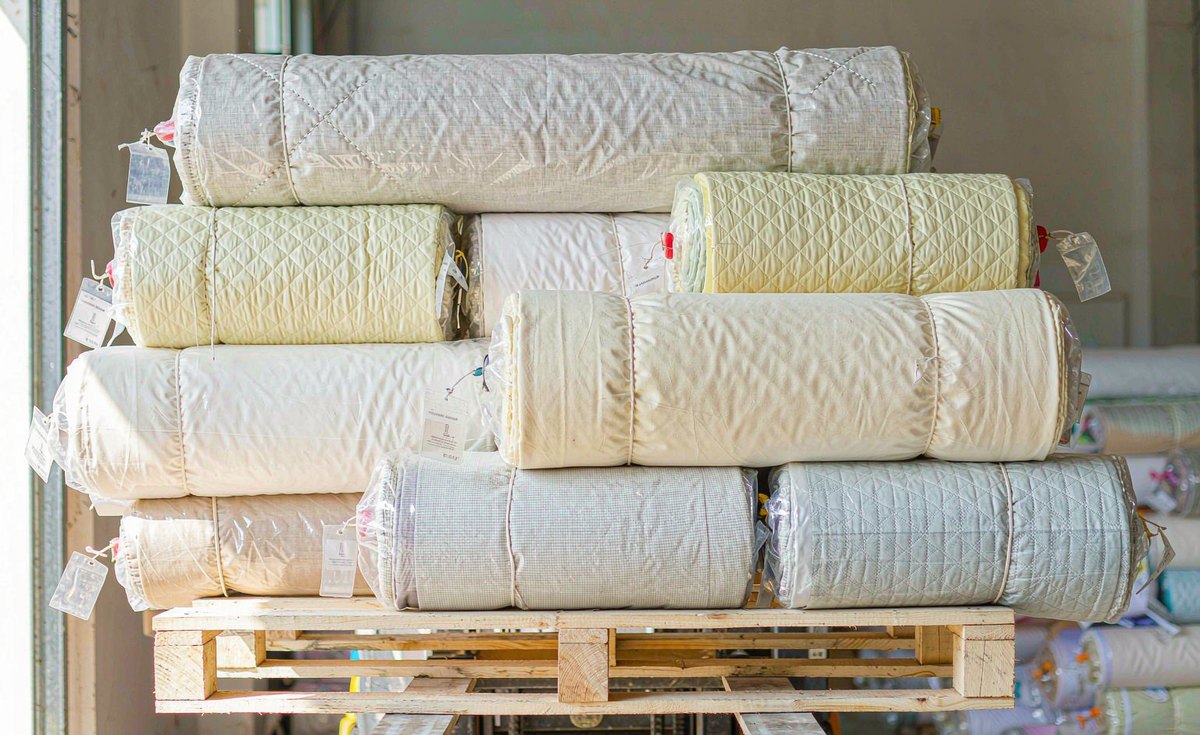
Bulk fabric rolls wait in store only after every earlier sourcing stage is complete.
Typical Fabric Lead Times by Fabric Type
The single biggest driver of fabric lead time is whether the fabric already exists. Use this table when quoting a delivery date to your own customers:
| Fabric type | Typical lead time | Best for |
|---|
| Stock fabric (mill or market) | 3 to 7 days | Reorders, samples, rush orders |
| Greige in stock, dye to order | 15 to 25 days | Standard colors on common constructions |
| Full custom (yarn to finish) | 35 to 45 days | Special weights, blends, private label fabric |
| Stretch / lycra blends | Add 5 to 10 days | Ice silk pants, leggings, fitted shirting |
A fabric MOQ also matters here: mills usually set minimums of 800 to 1,000 meters per color for dye-to-order fabric. Below that, factories buy from fabric markets at a premium - faster, but with less control over consistency and certificates.
Lab Dips and Bulk Approvals: The Hidden 7 to 20 Days
Before bulk dyeing starts, the mill submits lab dips - small swatches dyed to your standard. Plan for these checkpoints:
- Lab dip submission - 5 to 7 days after greige yarn is available.
- Buyer approval - this is the step that quietly kills schedules. If you take 5 days to review and request a second round, add another week.
- Bulk dye start - only after written approval, never on verbal confirmation.
- Bulk fabric approval (swatch from production lot) - 3 to 5 days, ideally combined with shrinkage and colorfastness testing.
Buyers who reply to lab dips within 48 hours routinely save 7 to 10 days per order. Buyers who sit on them for a week lose that time permanently - it does not come back at the sewing stage.
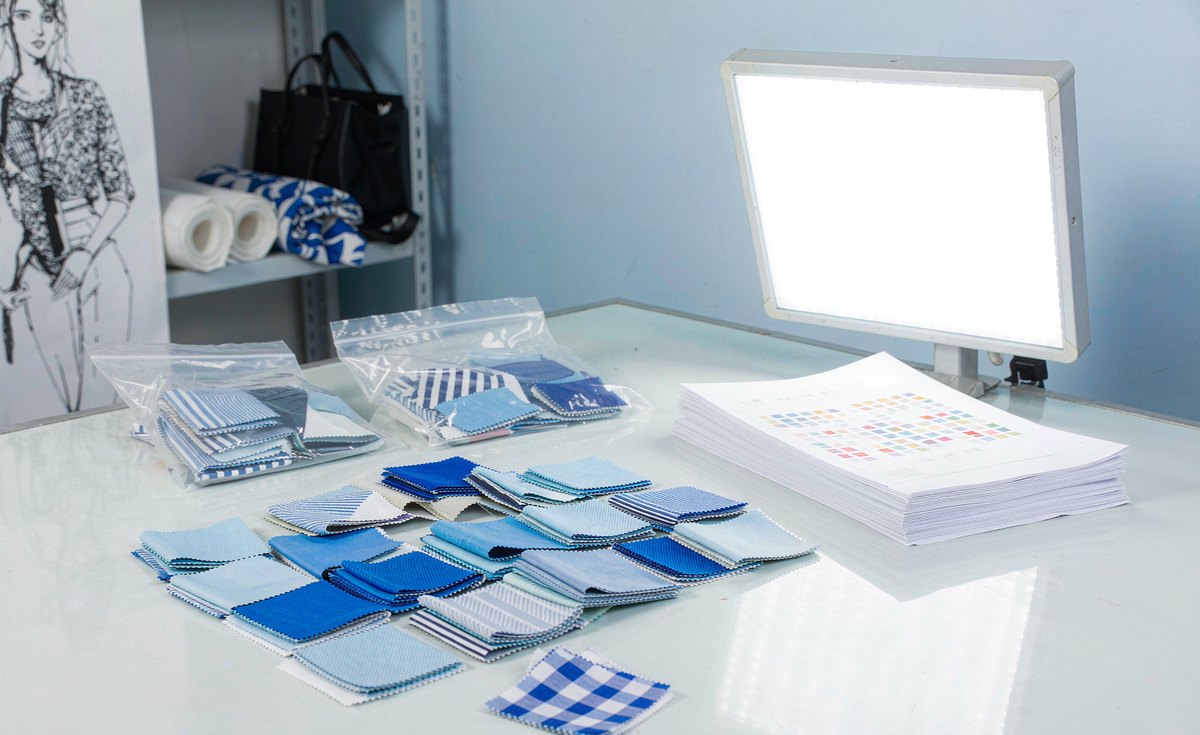
Lab dips dyed to standard: bulk production cannot start until these are approved in writing.
A Planning Timeline Buyers Can Copy
Here is how a 60-day order with dye-to-order fabric typically breaks down when fabric is planned first:
- Day 0-2: Order confirmed, fabric construction and color standards locked, lab dip requested.
- Day 7-14: Lab dips submitted and approved. Bulk greige booked at the mill.
- Day 15-35: Bulk dyeing, finishing and shrinkage testing run in parallel where possible.
- Day 36-40: Bulk fabric inspected against the approved swatch, delivered to the cutting floor.
- Day 41-58: Cutting, sewing, inline QC and final random inspection.
- Day 59-60: Packing and container loading.
The same order planned "fabric later" often ends up at 75 days - not because sewing was slow, but because the mill queue was booked out by competitors who planned earlier.
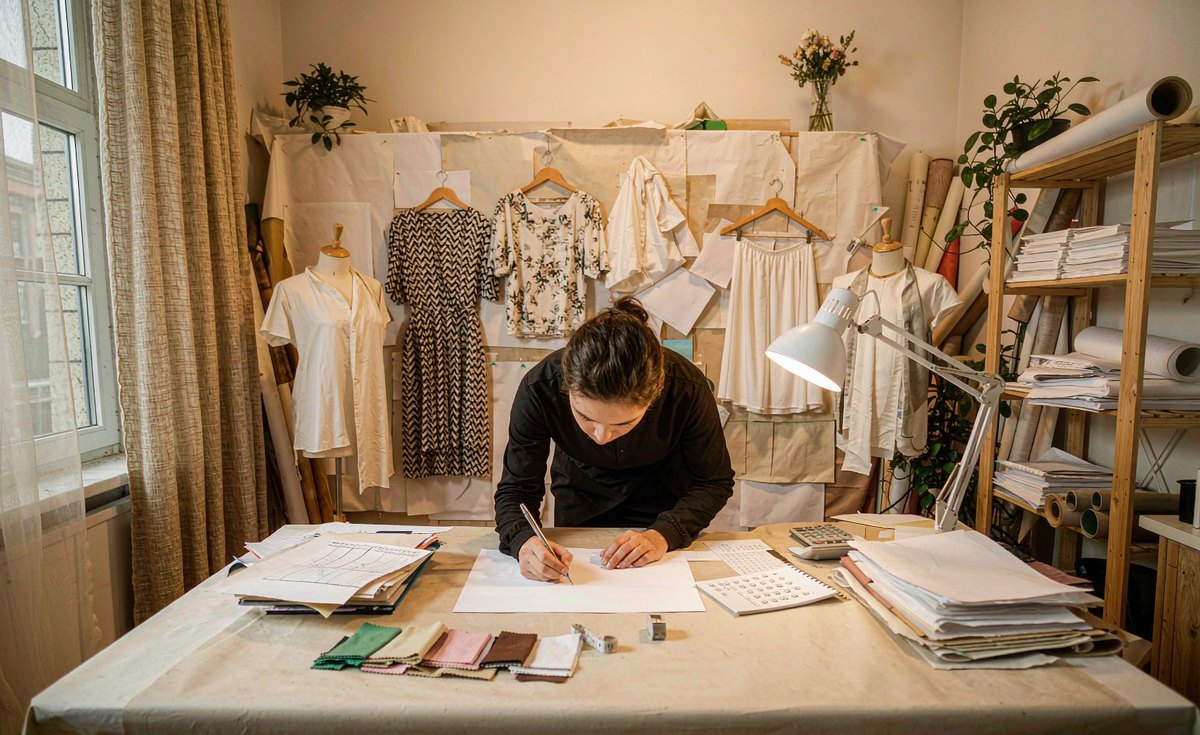
A written fabric-to-shipment timeline agreed at day zero is the cheapest schedule protection there is.
Three Habits That Prevent Fabric Delays
- Lock fabric decisions before signing the order. Every undecided construction or "we will pick color later" converts directly into calendar days.
- Approve lab dips fast and in writing. Give your factory one contact who can confirm color within 48 hours.
- Ask for bulk swatches, not just lab dips. Bulk lots can drift from the lab standard; a pre-production swatch from the actual dye lot is your last chance to catch it before 5,000 meters are cut.
GorgeousBen Fashion, a menswear manufacturer with 20+ years of OEM/ODM experience, builds fabric timelines into every quotation so buyers see the full picture - fabric, sampling and sewing - before committing to a delivery date.
Frequently Asked Questions
How long does fabric take for a 500-piece order?
Usually 15 to 25 days with dye-to-order fabric, or 3 to 7 days if stock fabric is available in your color. Small orders below the mill MOQ often use market fabric, which is faster but slightly more expensive per meter.
Why is my factory waiting on fabric before cutting?
Cutting consumes 100% of the fabric, so factories cannot start until the full bulk lot is inspected and approved. Starting on partial rolls risks shade variation between cut lots, which is far more expensive than a few waiting days.
Can fabric lead time be shortened for rush orders?
Yes, three ways: choose stock fabric, choose a color the mill has already dyed this season, or pay a rush fee for priority dyeing. Expect trade-offs in cost or color choice, not in quality.
Who pays if fabric arrives late?
It depends on the contract terms. If the buyer supplied the fabric directly, delays are the buyer's risk. If the factory promised a fabric-in date in a confirmed proforma invoice, that date should be binding and covered by the agreed production schedule.
Planning a reorder or a new program? Send us your fabric construction, target delivery window and quantity, and we will return a fabric-in-date you can plan around. Contact GorgeousBen for a production quote, or browse our menswear range to see what we currently manufacture. For how the sewing stage runs after fabric arrives, read our guide to clothing manufacturing lead time.


