Home > Blog > Purchase Order Clauses Every Apparel Buyer Should Check
Purchase Order Clauses Every Apparel Buyer Should Check
By Ben LeeNovember 27th, 20262 views
A signed purchase order, not the quotation, is the document that decides what happens when a garment order goes wrong — and most POs leave exactly the clauses that cause disputes vague. One missing tolerance clause on a 5,000-piece order is 50 garments of argument.
Buyers usually send a PO with a price, a quantity and a date, and assume the quotation covers the rest. It does not. When measurements drift or a delivery slips, both sides reach for the PO — and whatever it does not say becomes a negotiation under time pressure. This checklist covers the purchase order clauses worth locking down before signing, from the factory side of the table.
Why the PO Governs, Not the Quotation
A quotation is an offer; the purchase order is the acceptance that starts production. Banks, inspectors and arbitrators look at the PO and its annexes first: in practice the PO plus the documents it references — tech pack, approved sample, proforma invoice — form the contract. The quotation itself usually carries a 15 to 30 day validity and no enforcement weight once work starts. A factory that accepts a clear, complete PO is also showing how it runs production: measured processes make measurable commitments.
The Clauses to Check, at a Glance
Clause
What to lock down
Common gap
Specification annex
Tech pack version and approved sample dated and referenced
“As per sample”, no sample ID
Tolerances
Measurement, fabric weight and shade tolerance ranges
Silence; any deviation is arguable
Quantity and sizes
Total units, size ratio, color breakdown, overspend limit
No rule for over/under-cut quantity
Price and delivery basis
Currency, unit price, Incoterm and named port
Price without a delivery basis
Delivery and delays
Ship date, partial-shipment rule, delay remedy
A date, no consequence for missing it
Inspection and claims
AQL level, inspector access, claim window
Claims raised months after goods sold
IP and tooling
Brand license, print screens and molds ownership
Screens and molds kept or reused
Amendments
Changes valid only in writing, with price and time impact
Verbal change requests on the floor
Specifications: the Annex, the Approved Sample and Tolerances
The most valuable clause is also the shortest: name the documents that define the product. Write the tech pack file and version, and reference the approved pre-production sample by ID and date — the discipline described in the pre-production sample checklist. “As per sample” means nothing if nobody can say which sample.
Then add tolerances, because nothing in apparel is exact. Common industry practice on wovens: measurements within roughly ±1 cm on most points, fabric weight within about ±5 percent of the stated GSM, shade judged against the approved swatch under daylight-type light. Without a tolerance clause a 0.5 cm pocket difference becomes a claim; with one, it is normal production variation. A complete spec annex is covered in the tech pack guide.
The approved sample is the PO's silent annex: stitch type, spacing and finish are all read against it.
Quantities, Size Ratios and the Color Breakdown
A total quantity without a size and color breakdown invites two problems: cutting-room guessing and end-of-run imbalance. State the ratio per size and per color, and state what happens to variance: common practice allows delivery within about ±3 percent on quantity, priced pro-rata — but say so explicitly, or a 2 percent shortfall becomes a discount argument. How minimums shape that is covered in the MOQ negotiation guide.
Price Basis, Currency and Delivery Terms
Write the currency, the unit price and the delivery basis as a named Incoterm with a named port — “FOB Shanghai”, not just “FOB”. A price with no delivery basis leaves freight, insurance and risk transfer undefined, and those costs surface late. The trade-off between EXW, FOB and DDP is explained in the shipping terms guide; the PO only needs the decision recorded cleanly. State a price validity window if signing well ahead of production.
Delivery Dates, Partial Shipments and Delay Remedies
A delivery clause has three moving parts. First, the date: state it as goods ready for shipment, not arrival, and what start point it is measured from. Second, partial shipments: whether the factory may ship complete color runs in stages. Third, the remedy. Common practice is a delay credit of 0.3 to 0.5 percent of order value per week, capped around 5 percent, with exceptions for buyer-caused delays such as late fabric approval (figures illustrative — some factories will not sign any remedy, which is itself a signal).
Inspection Rights and Defect Remedies
Write the inspection standard into the PO. The default in apparel is AQL 2.5 for major defects and 4.0 for minor, applied on a random sample after final packing, mirroring the logic of inline QC checkpoints at the end of the line. Grant your inspector or a third-party company access to finished goods before shipment.
Then define the claim window: how long after arrival at destination port defects may be raised — 30 days is a common, workable period — and the remedies: replacement in the next shipment, credit note, or negotiated discount. Claims raised after a season on retail shelves are nearly impossible to verify, which is why the window exists. The full claim process is covered in the quality claim guide.
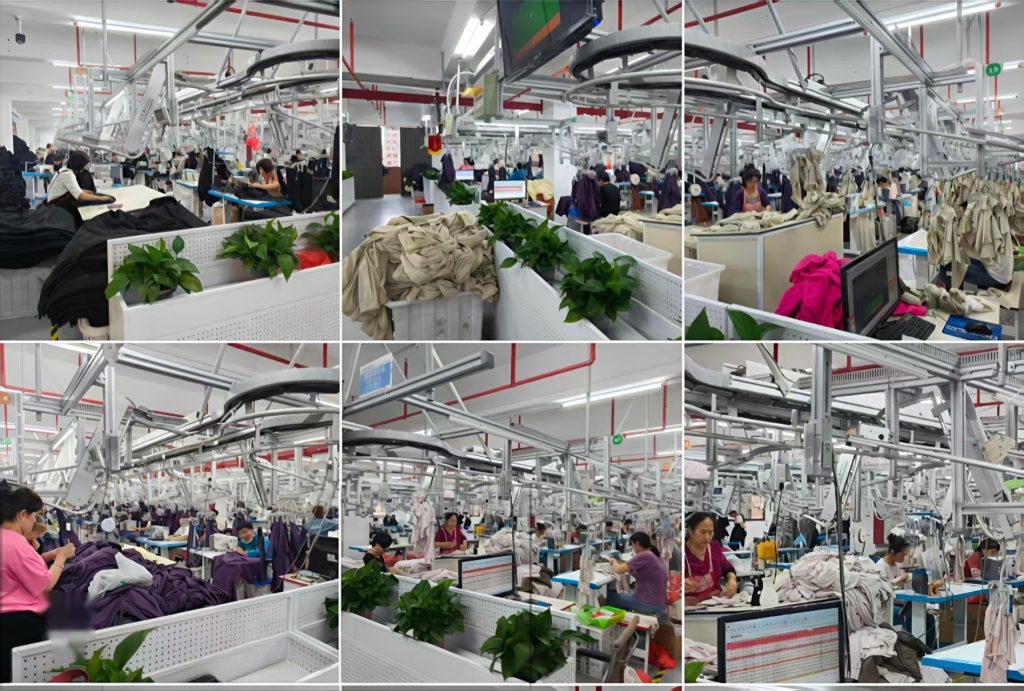
Production under a signed PO: the inspection clause decides how the finished cartons are judged, line by line.
Intellectual Property, Branding and Tooling
Three short protections belong in every OEM PO. First, a license: the buyer's brand may be used only for the ordered quantity, and overruns carrying it may not be sold or given away. Second, tooling: printing screens, embroidery files, molds and special attachments paid for by the buyer stay the buyer's property and are released on request. Third, confidentiality: the buyer's designs are not shown to other customers. None of this is adversarial — it records what both sides already intend.
Amendments: How Changes Get Priced
Mid-run changes are normal — a label swap, a colorway added, a quantity top-up. One clause does the job: amendments are valid only in writing, and each states its impact on price, delivery date or both, before work proceeds. This protects the factory as much as the buyer; the most expensive disputes start with a verbal instruction nobody priced.
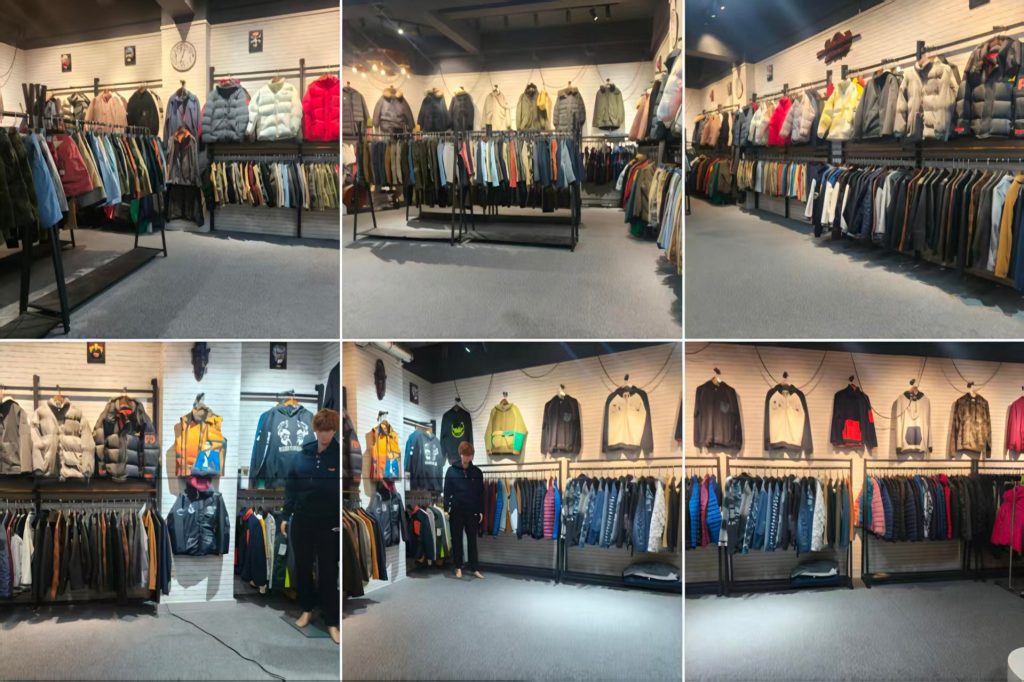
Ranges are confirmed in the GorgeousBen showroom, but the PO is what holds them in place through production.
One Line on Payment
The PO should record the payment schedule agreed on the proforma invoice — deposit percentage, balance trigger and documents. The instruments are a separate subject: the payment terms guide compares T/T, L/C and escrow in detail. Keep the PO clause short; a paragraph that invents new terms at signing only creates contradictions.
How GorgeousBen Handles Purchase Orders
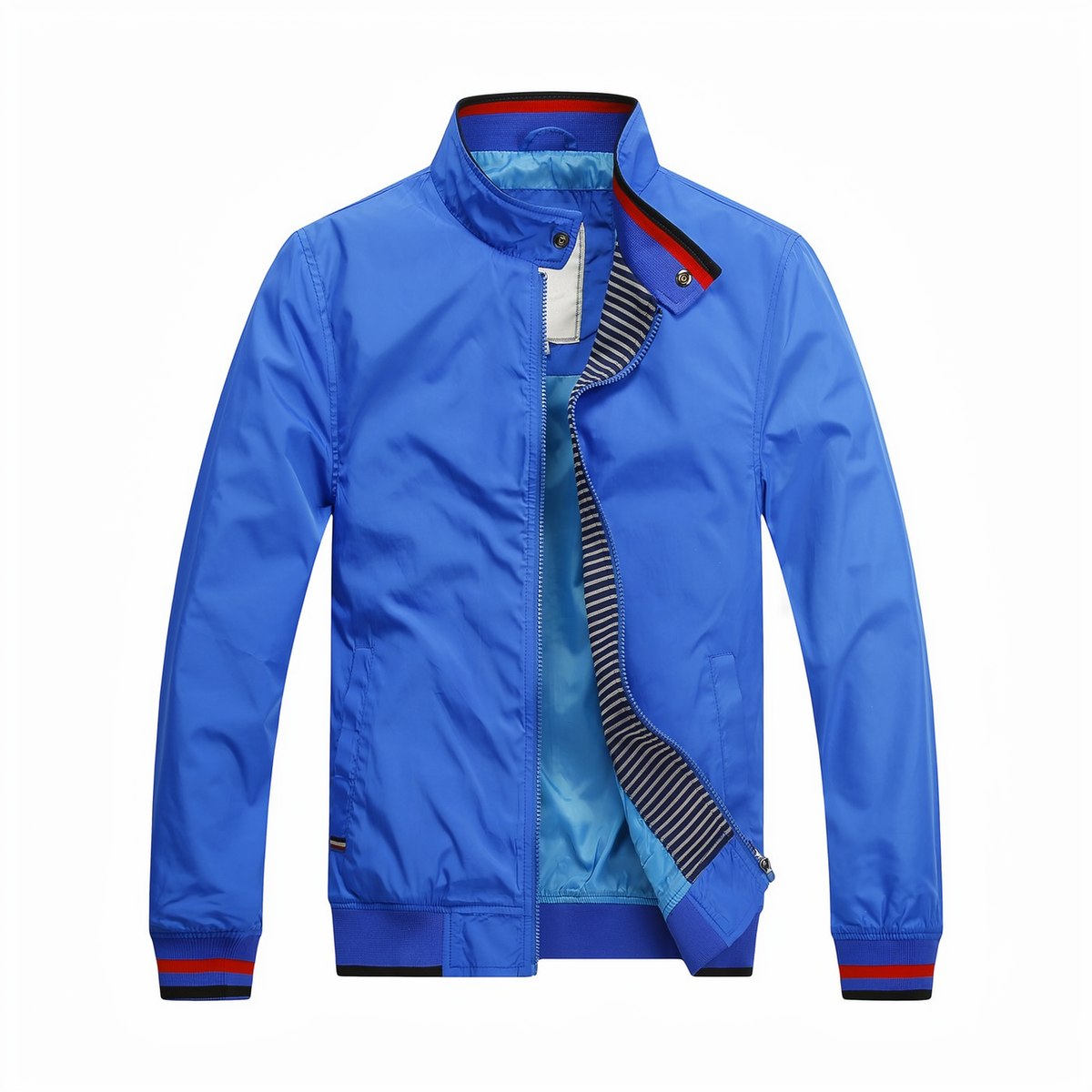
GorgeousBen treats the PO as a working document, not a formality: every order confirmation lists the governing tech pack version, approved sample ID, tolerance ranges, size and color breakdown, named Incoterm and port, and claim window — so both sides read the same rules. Buyers comparing suppliers across the product catalogue can ask each factory the same eight questions from the table above and compare the answers, not the brochures.
Planning a cargo, jacket or knit program? Send your requirements through the contact page and GorgeousBen will return an order confirmation with these clauses filled in — tolerances, remedies and all — before any deposit is requested.
Common Questions
What should a garment purchase order include?
At minimum: buyer and supplier details, style and tech pack version, the approved sample reference, quantities with size and color ratios, unit price with currency and Incoterm, a delivery date with a delay remedy, the inspection AQL and claim window, payment schedule, and an amendments clause. Each item should be specific enough that a third party could judge compliance from the document.
What AQL should I write into a purchase order?
AQL 2.5 for major defects and 4.0 for minor defects is the common apparel default for general consumer goods. Lower AQL numbers mean stricter acceptance. Match the level to the product's price point and market requirements, and state whether the inspection happens pre-shipment on packed goods, since timing affects what can still be fixed.
Can a supplier change the price after signing?
Not under the amendment clause described above: changes are valid only in writing and must state their price impact before work proceeds. Fabric-cost escalation is the usual gray area, which is why the PO should state a price validity window and, for long lead times, whether fabric is purchased forward at a fixed price.
Who owns the printing screens and tooling?
Whichever way the parties agree, but the standard buyer-friendly position is that tooling paid for by the buyer is the buyer's property, held by the factory for reuse on repeat orders. Write the clause even for simple print screens — re-creating them for a second supplier is a real cost, and without ownership wording the factory has no obligation to hand them over.