Home > Blog > Apparel Quality Claims: How to File One That Gets Paid
Apparel Quality Claims: How to File One That Gets Paid
By Ben LeeNovember 17th, 202635 views
A quality claim succeeds on three things: a deviation measured against an approved written standard, evidence captured within 72 hours of unboxing, and a remedy that costs the factory less than a dispute. Under ISO 2859-1 general inspection level II, a 1,200-piece order is judged on 80 pieces and a 2,000-piece order on 125.
That is why so many claims are lost before they start. The goods passed inspection, the balance was wired, and three weeks later a retailer opens carton 41 and finds the problem. What follows is an angry email with twelve photos and a factory answering "we inspected it, it passed". This guide treats a claim as a commercial process with documents, deadlines and remedies.
What Counts as a Claim, and What Is Just Disappointment
A claim is a request for compensation for goods that do not conform to an agreed written standard. Without that standard you have a preference, not a claim. Factories negotiate preferences politely for a while; they settle claims.
Situation
Claim-worthy?
Why
Stitch density below approved sample
Yes
Measurable against sample and construction spec
Waist 2 cm narrower than the size spec
Yes, if beyond tolerance
Tolerance is a number you agreed in writing
Colour one dye lot darker than the lab dip
Yes, if it fails the grey scale
Colour is judged against the signed swatch
Buttons feel lighter than the sample
Usually no
No measurable spec, no documented trim standard
The style did not sell in your market
No
Commercial risk stays with the buyer
The 72-Hour Evidence Window
Most factories set a written claim window, commonly three to seven working days after delivery and rarely more than fourteen. Inside it, evidence must survive a second pair of eyes. Outside it, the goods are treated as accepted.
Photograph the shipment before you touch it. Cartons sealed, shipping marks visible, carton count in one frame. This proves which shipment you are claiming against.
Open one carton in sequence. Sealed, cut, first layer, full contents. A defect photo without carton context cannot be traced to a run.
Shoot the defect against a scale. Tape measure in frame, one photo per defect type.
Segregate defective units immediately. Bag them, label the bag with the carton number, stop them shipping onward. Mixed stock is unclaimable stock.
Keep two good and two defective units untouched. Retention samples are the most persuasive object in any claim conversation.
Count, do not estimate. Pieces per carton, cartons per shipment, and the share of the order they represent.
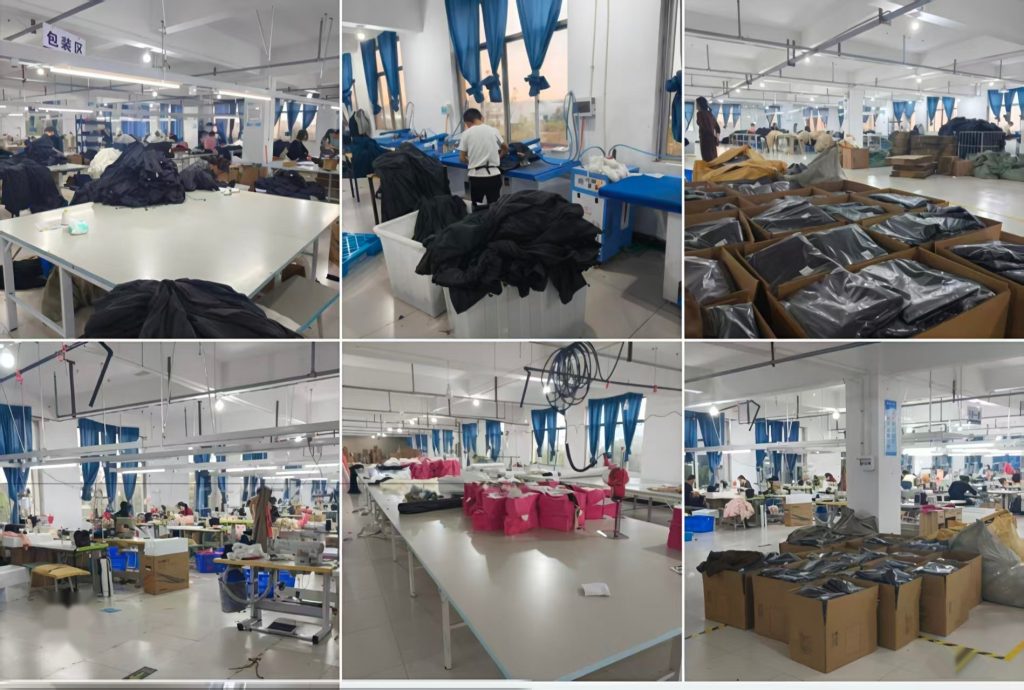
Carton counts and shipping marks photographed before opening tie a defect back to a production run. GorgeousBen packing area, Shishi.
Read Your Own Paperwork Before You Write the Claim
Half of all weak claims are lost in the buyer's own filing cabinet. Pull four documents and read them the way the factory will: the purchase order, the approved sample record, the measurement spec and the inspection report.
The purchase order decides the language of the argument. If it says "standard export quality", you are negotiating. If it names AQL 2.5 for major and 4.0 for minor defects at inspection level II, you are applying a rule both sides accepted. The AQL sampling plan guide explains how those limits become accept and reject numbers.
The measurement spec decides whether a fit complaint is claimable. Most programmes allow roughly ±1 cm on main points such as chest, waist and inseam; the flat measurement method produces numbers that compare without argument. A garment 2 cm off spec is a claim. One 0.6 cm off spec is within tolerance, and saying so first buys credibility for your next point.
Compare against the right reference, too. Bulk is judged against the approved pre-production sample and the signed lab dip, not the booth sample that impressed you. Where those diverge, the booth sample versus bulk production gap is the real story.
A Claim Letter in Four Paragraphs
A claim that gets resolved quickly reads like a short technical memo: four paragraphs, three attachments, one clear ask.
Identification. PO number, invoice number, shipment date, cartons and pieces affected. One sentence, no adjectives.
Deviation with numbers. What the standard says, what the goods measure or test at, how many units fail. Attach the spec page and three photos per defect type.
Quantified impact. Pieces affected as a share of the order, and what you cannot sell or must discount. State local rework cost per piece if you have it.
Preferred remedy and a date. Name one remedy, add one alternative, set a reply date: "credit note against the next order, or replacement in your next run; please confirm by 25 November."
Send it to whoever quoted you and copy the quality manager. Keep one written thread. If a third party inspected the goods, attach the inspection report rather than summarising it — the QC report reading guide lists the gaps that become claims.
Remedies, Ranked by What They Actually Recover
Buyers usually ask for a refund first, which recovers least after freight, duty and lost selling weeks. Ranked by net recovery:
Local repair with a rework credit. Cheapest for loose threads, unclipped seams or a missing bartack. You keep selling, the factory pays the delta.
Replacement in the next production run. Near-full unit-cost recovery, but it arrives on the factory's schedule.
Credit note against a future order. Full nominal value, no cash movement. Sensible if you reorder within a season.
Price adjustment on the invoice. Recovers cash but discounts the pieces that were fine. Reserve it for defects spread across the shipment.
Return and full refund. Cleanest-sounding and most expensive: return freight and re-import formalities usually exceed the defect value.
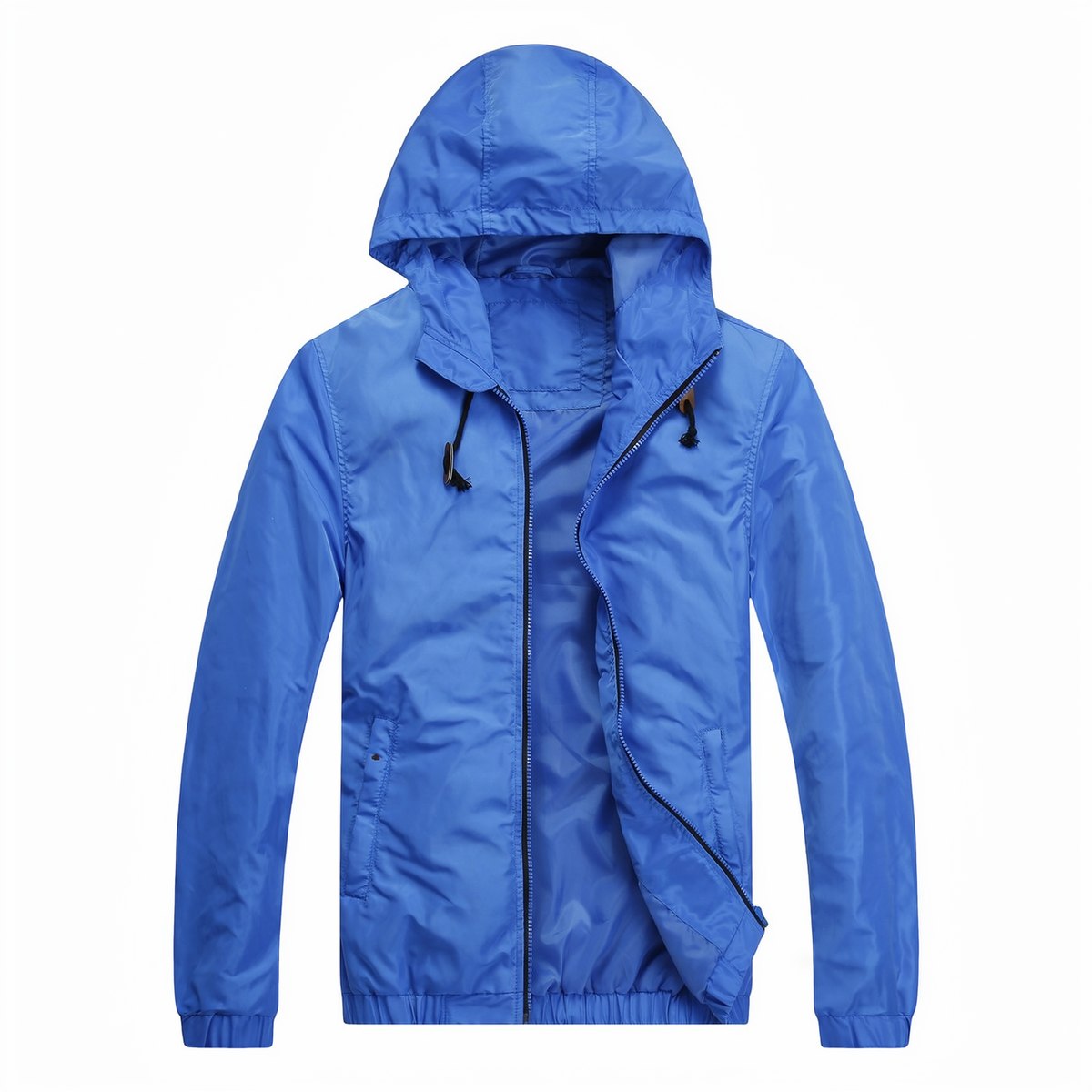
A claim needs a measurable deviation: stitch density, seam strength, or a measurement outside tolerance. GorgeousBen jacket stitching detail.
Five Ways Buyers Destroy a Valid Claim
The defects are real. The claim still fails, and almost always for one of these reasons.
Mixing defective and good stock. Once units are back in the pick line, nobody can prove how many were affected.
Waiting for the retailer to complain first. By then the window has closed and the cartons are untraceable.
Discarding the defective units. Without retention samples, the discussion becomes opinion against opinion.
Claiming without the approved sample or spec sheet. A factory cannot concede a deviation it has no agreed standard for.
Escalating before asking. A public complaint or instant chargeback closes the cooperative route.
One nuance on money: deducting a chargeback from a balance is a right only if your PO or payment terms say so, and under a letter of credit it needs factory agreement. Packing and labelling failures are argued on the packaging compliance standard and the finishing standard you agreed in the tech pack.
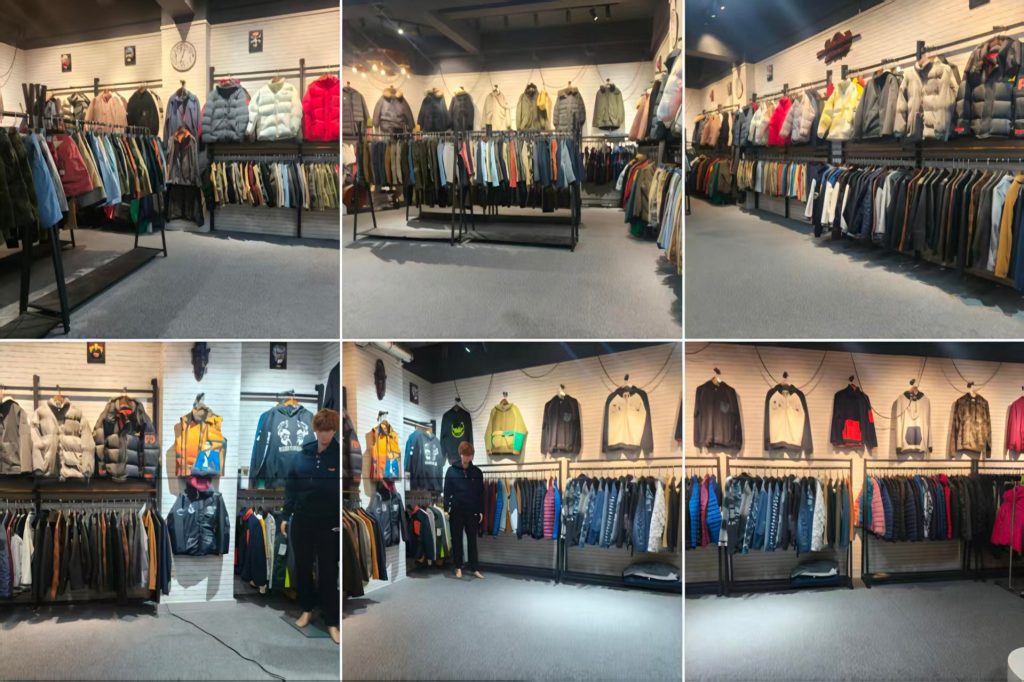
Claims are judged against the approved reference sample, not the one that impressed you at a trade fair. GorgeousBen showroom.
Frequently Asked Questions
How long do I have to file an apparel quality claim?
Most factories set a window of three to seven working days after delivery, rarely more than fourteen. The clock starts when the shipment arrives, not when your retailer reports a problem. If cartons go straight into storage, inspect at least one per shipment on arrival and write that step into your receiving procedure.
What evidence does a factory need to accept a defective garment claim?
Four things: the approved standard the goods failed, photographs linking the defect to a specific carton, a counted number of affected pieces, and retained samples of good and defective units. Factories accept claims they can reproduce on their own inspection table, and resist folders of photos with no carton reference.
Can I deduct a chargeback from the balance payment?
Only if the purchase order or payment terms grant that right. Under T/T with a deduction clause, a documented claim can often be netted against the balance. Under a letter of credit the bank pays against documents, so deduction needs the factory to agree a reduced invoice before presentation. Decide before the order ships.
Who pays return freight for defective garments?
Practice varies, so write it in the PO. Many factories absorb return freight on structural failures such as wrong fabric or construction, and expect the buyer to cover cosmetic issues that can be reworked locally. Because return freight often exceeds the defect value, local rework with a credit is usually cheaper for both.
Does a passed inspection mean I cannot claim later?
No, but it weakens the claim. A passed AQL inspection shows the shipment met the sampling plan that day; it does not warrant every unit.
Put the Claim Rules in the Order, Not in the Argument
Every claim is easier when the standards were written before production: an AQL level, a measurement tolerance, an approved sample record, a claim window and a deduction clause. GorgeousBen produces menswear with those five items named in the order documents, so a problem becomes a procedure instead of a dispute. Contact GorgeousBen with your specification, or browse the menswear range.