A shipment can clear production inspection and still fail at the destination because of a missing care symbol, incorrect country of origin, or an unapproved polybag thickness. In the United States, the FTC requires fiber content, country of origin, and care instructions on every garment. The EU adds REACH substance restrictions and specific textile labeling rules. Getting packaging compliance right the first time avoids customs holds, retailer chargebacks, and costly returns.
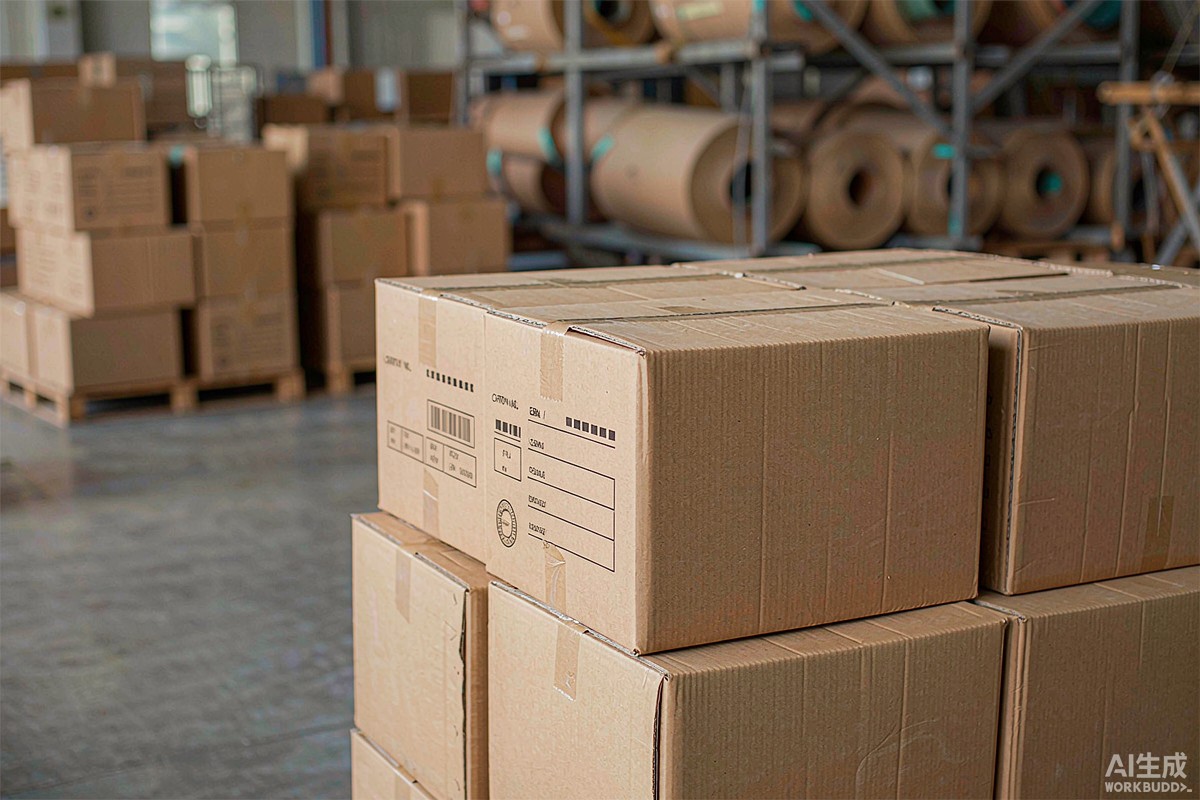
Proper carton markings help customs and warehouses handle shipments correctly.
Why Packaging Compliance Can Stop a Shipment
Customs authorities and retail receivers use labels and carton marks to classify, route, and inspect goods. A missing or misleading country-of-origin mark can trigger detention. A care label without permanent attachment may violate consumer safety rules. Major retailers routinely deduct $50 to $500 per carton for non-compliance, which quickly exceeds the value of the goods inside.
Compliance issues also delay cash flow. A detained shipment can sit for days or weeks while documents are corrected. During peak season, that delay can mean missing a sales window entirely. The cost of prevention is almost always lower than the cost of correction.
Care Labels: Country-by-Country Requirements
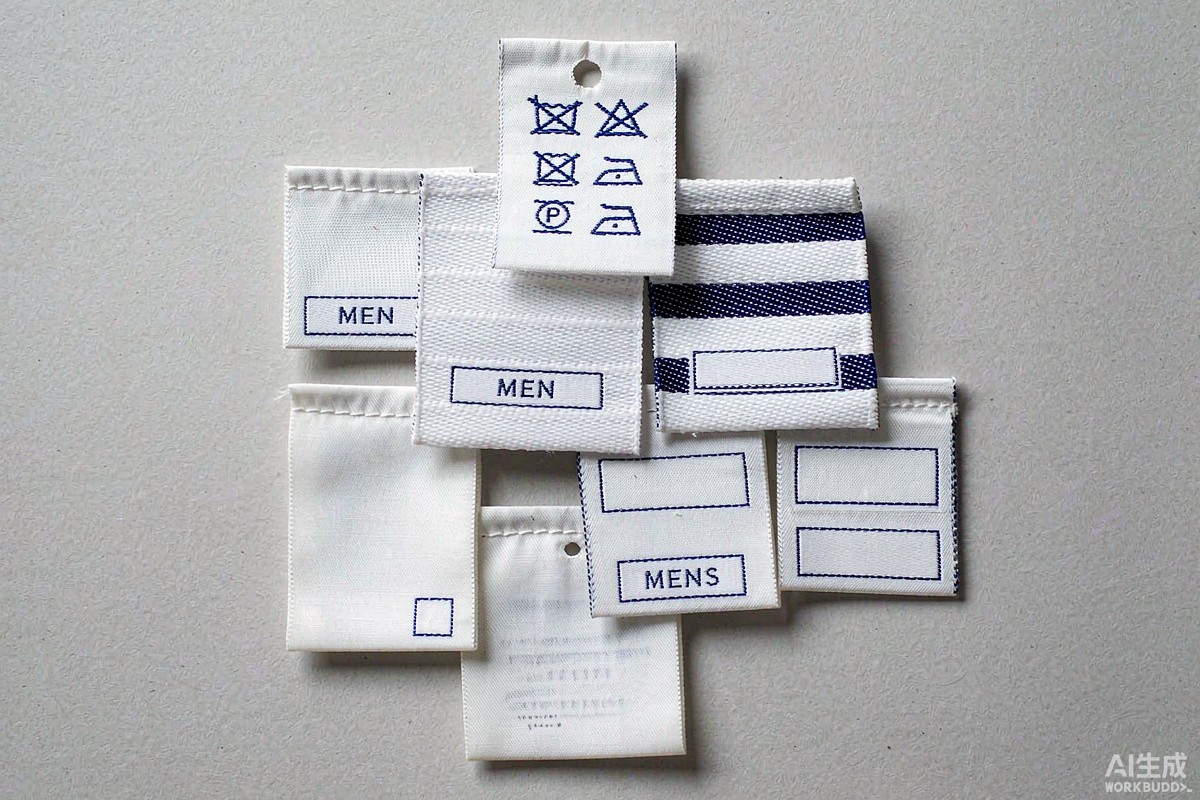
In the U.S., care labels must list fiber content by percentage, country of origin, and care instructions using standardized symbols or clear text. Symbols must follow ASTM D5489 or ISO 3758. Warnings such as "Do not iron" or "Line dry" must be visible and permanent.
The EU requires textile products sold to consumers to carry a label indicating fiber composition in the language of the destination country. Additional requirements apply in France (Triman logo for recycling), Germany (EPR textile registration), and other member states. Labels must be attached securely enough to survive the garment's useful life. A loosely stitched label that falls off before first wash is non-compliant.
Care labels must meet country-specific fiber content and washing symbol standards.
The checklist below summarizes the main differences buyers encounter when shipping to multiple markets.
Market
Required Label Elements
Common Pitfall
United States
Fiber content, origin, care symbols
Missing RN number on hang tag
European Union
Fiber composition in local language
Using English-only care labels
United Kingdom
Fiber content, origin, care guidance
Outdated EU-only wording
Canada
Bilingual English/French labeling
French missing on care tag
Carton Marks, Inserts and Pre-Shipment Approval
Export cartons should display the carton number, total cartons, gross and net weights, dimensions, country of origin, and handling symbols such as "Keep Dry" or "This Side Up." Many buyers also require a barcode or RFID label matching the packing list.
Carton marks should be printed on two sides in waterproof ink. A single rain shower can smudge poorly printed marks and cause warehouse rejection. Use black lettering at least 5 cm high for manual handling environments. Carton weight should also stay within the retailer’s single-person lifting limit, often 20 kg, to avoid handling penalties.
Shipping marks include carton numbers, weights, dimensions, and country of origin.
Hang tags carry branding and pricing, but they can also carry compliance data such as RN numbers or CAUTION warnings for drawstrings. Any insert with marketing claims must be truthful and supportable; phrases like "eco-friendly" or "sustainable" increasingly require proof in major markets.
Polybags must meet thickness rules in many regions. California requires suffocation warnings on polybags with openings of 5 inches or more. The EU restricts certain plastic additives. For buyers shipping to multiple markets, it is safest to use compliant polybags and localized care labels from the start.
If you are sourcing a seasonal line such as our quilted cotton-padded jacket, confirm that fill content and care symbols match the destination country's labeling rules before production begins.
Before bulk labels are printed, request a physical label approval sample. Check the fiber percentages, symbol style, language, and attachment method. Compare it against the tech pack and the destination market’s regulations. Once approved, lock the artwork and instruct the factory not to deviate without written consent. Keep a digital archive of approved labels and carton marks so future seasons can reuse compliant files.
Frequently Asked Questions
Can I use one care label for all countries?
Usually not. Fiber content rules overlap, but care symbols, language, and recycling marks differ. Most brands create a base label and add market-specific stickers or tags to avoid reprinting the entire label for each destination.
Who is responsible for compliance errors?
Responsibility should be defined in the purchase order. The buyer typically specifies requirements; the factory must execute them accurately. Clear documentation prevents disputes when a shipment is held or rejected.
Do carton marks need to be in English?
English is standard for international shipping, but some destinations require additional languages such as Arabic, Spanish, or the local language of the importing country. Check the consignee’s requirements before printing.
What happens if a retailer rejects a carton?
Rejection can lead to rework fees, return freight, delayed payment, or chargebacks. Prevention through label approval samples is far cheaper than correction after delivery. Always get label sign-off before bulk production starts.
Ship Compliant, Ship on Time
GorgeousBen Fashion ships menswear to buyers in the Americas, Europe, Africa, Australia, and the Middle East. We prepare care labels, carton marks, and inserts according to destination-market rules and submit label approvals before bulk production. Reach out to confirm your next shipment meets every compliance checkpoint.