Home > Blog > Small-Batch QC: Inspect Apparel Orders Under 500 Units
Small-Batch QC: Inspect Apparel Orders Under 500 Units
By Ben LeeOctober 6th, 202613 views
Orders under 500 units are attractive for market testing, but they leave little room for quality errors. A 10% defect rate on a 5,000-unit order is painful; on a 300-unit order it can erase the entire margin. The solution is not to inspect more pieces, but to inspect the right pieces at the right gates. A focused small-batch QC plan typically reduces defect escapes by 40–60% compared with a single end-of-line check.
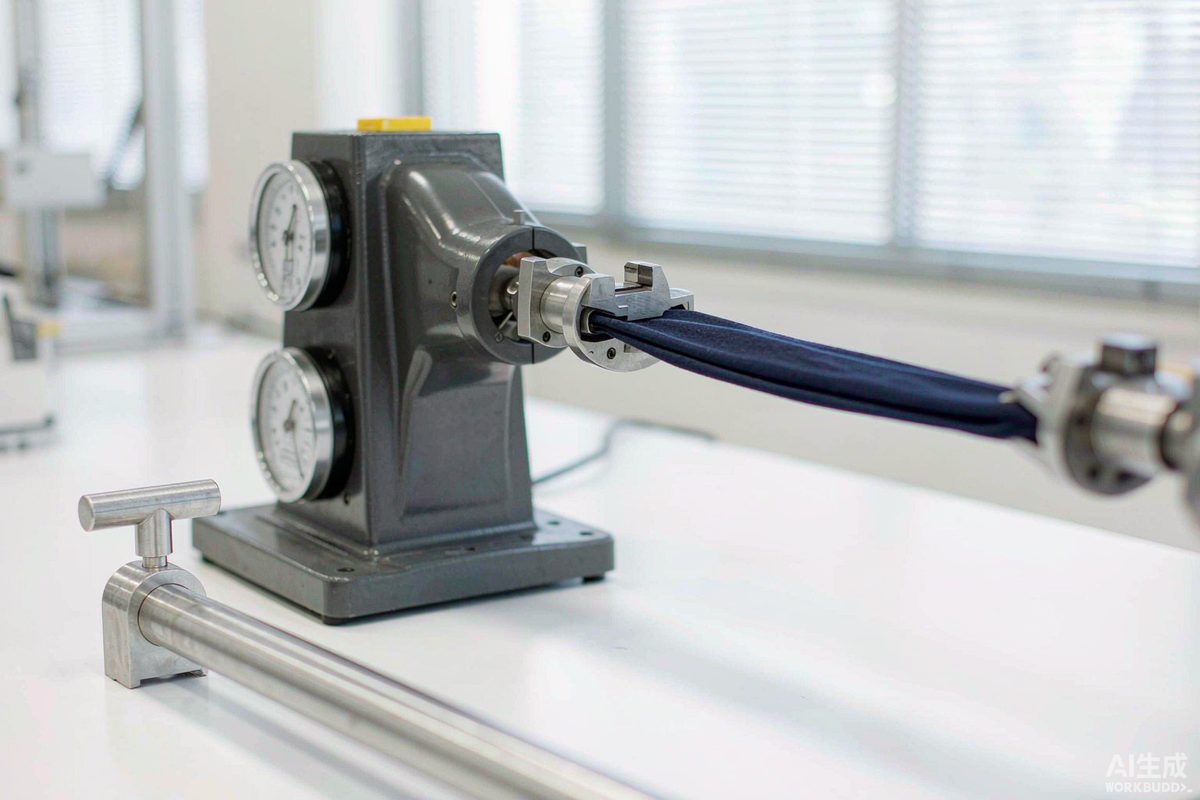
Incoming fabric testing is the first gate in any small-batch QC plan.
Why Small Batches Need a Different QC Mindset
Standard AQL tables assume larger lots. Pulling the same sample size from 300 units as from 3,000 units is disproportionate and expensive. Small-batch buyers should use tightened sampling levels, inspect 100% of critical measurements on the first few pieces, and concentrate on the most common defect types for the style.
The goal is speed with discipline. Because small batches move quickly, problems spread fast. Catching a needle issue or color shading problem after 50 pieces are sewn is far more expensive than catching it after 5. A disciplined three-gate approach gives you the data you need without slowing down the line.
The Three QC Gates and Sampling Plan
For orders of 200–500 units, use General Inspection Level II with tightened AQLs: 1.0 for critical defects, 2.5 for major, and 4.0 for minor. For orders under 200 units, consider inspecting the entire lot or using a fixed sample of 20–32 pieces depending on style complexity. Always define acceptance criteria before inspection begins. Vague standards like "good quality" lead to disputes.
Order Quantity
Suggested Sample Size
Approach
50–100 units
20–32 pcs or 100%
Tightened AQL or full inspection
101–200 units
32–50 pcs
Level II, tightened acceptance
201–500 units
50–80 pcs
Level II standard sampling
Document specific tolerances for measurements, shade variation, stitch density, and cleanliness. The inspector should know exactly what constitutes a pass or fail before opening the first carton. The three gates below show where to apply that sample plan.
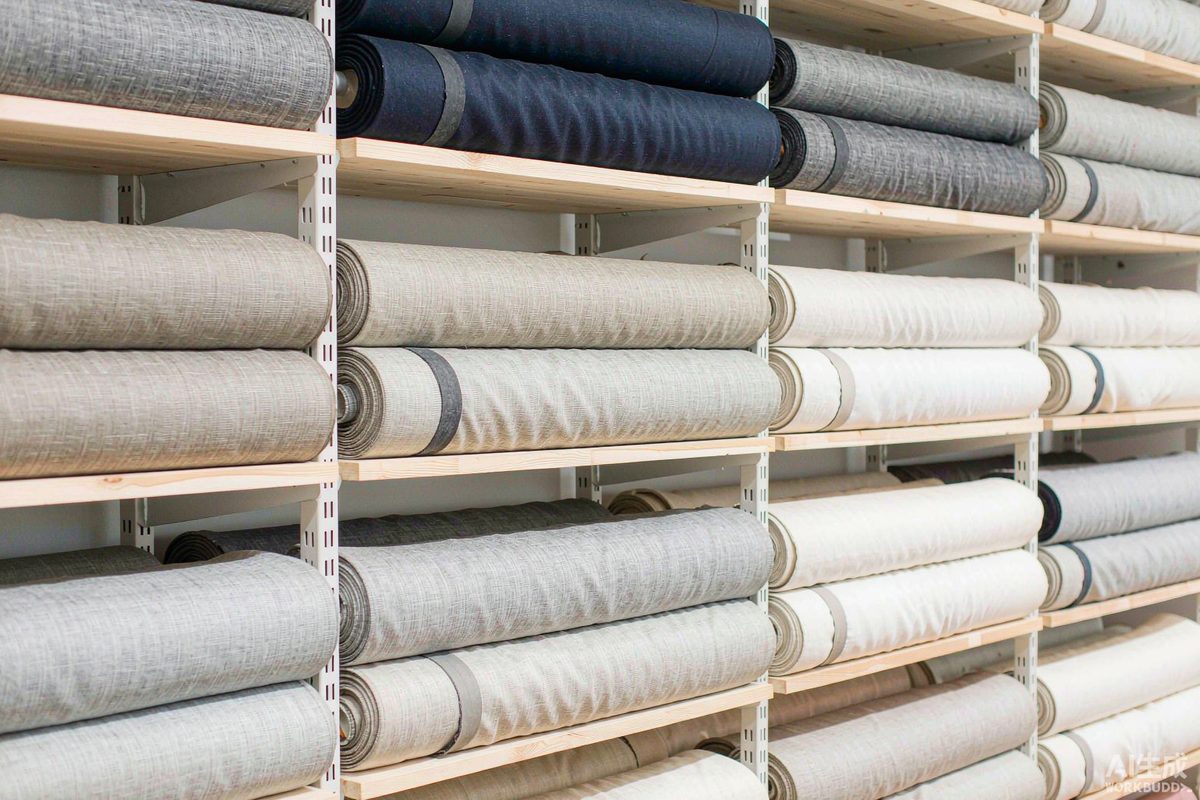
Gate 1: Incoming material. Check fabric rolls for width, shade bands, and odor. Verify that trims match approval samples. Rejecting bad material here costs almost nothing compared with remaking finished garments. Measure fabric weight against the approved standard; even a 5% variation can change fit and drape.
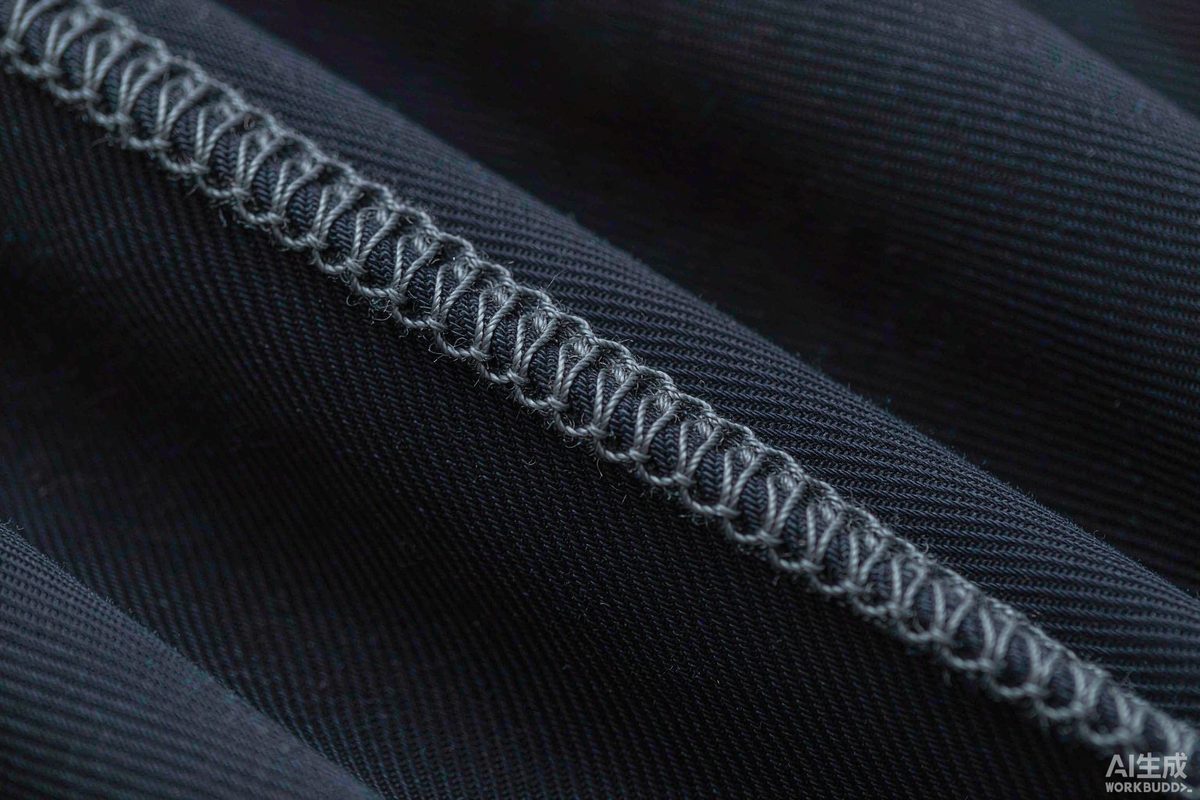
Gate 2: Inline sewing. Inspect the first off-the-line garment for construction, measurements, and workmanship. Hold production if it fails. Then spot-check every 25 to 50 pieces for consistency. Pay special attention to seams that cannot be easily repaired after final pressing.
Gate 3: Final random inspection. Before cartons are sealed, pull the agreed sample size and check measurements, workmanship, labeling, and packaging. Record results with photos for accountability. If the lot fails, do not ship until the agreed corrective action is completed and verified.
Inspect fabric rolls before cutting to avoid color and width issues downstream.
Common Defects and How to Record Them
Small batches often suffer from measurement drift, skipped stitches, misaligned patterns, and incorrect labels. These defects are cheap to fix at sample stage but expensive after bulk cutting. Our quilted jacket line, for example, requires inline checks on padding weight and channel stitching to avoid batch-wide rework.
Document each defect with a photo and location code. A simple photo log with carton number, style number, and defect description is usually enough for most buyers. Use a one-page inspection report per style to record total inspected, defects by category, and acceptance decision. Include photos of the worst three defects and share the report with the factory within 24 hours.
Over time, these reports build a supplier scorecard. You will see which factories improve and which ones repeat the same problems. That data is worth far more than the time spent filling out the form, and it becomes the evidence base for chargebacks, rework instructions, or supplier development conversations.
Inline stitching checks catch construction defects before garments reach final inspection.
Frequently Asked Questions
Is AQL sampling valid for orders under 100 units?
AQL becomes impractical below 100 units. Many buyers switch to 100% inspection or a fixed sample of 20–32 pieces with zero tolerance for critical defects. The goal is to catch serious problems, not to apply a large-lot formula blindly.
Who should pay for third-party inspection?
It depends on the agreement. Buyers usually pay for their own inspectors, while factories pay for rework caused by factory-side defects. Clarify this in the purchase order so there is no dispute after a failure.
What is the most common small-batch mistake?
Skipping the first-piece approval. Approving the first finished unit sets the production standard; skipping it invites drift across the entire batch. The first piece should be signed off by both the factory and the buyer.
Can I rely on factory self-inspection?
Factory self-inspection is useful but not sufficient for new relationships. Independent verification, even on small batches, builds the data you need to judge supplier reliability. As trust grows, you can reduce inspection frequency.
Run Your Next Small Batch With Confidence
GorgeousBen Fashion runs inline and final inspections on every lot, including small test orders. We share measurement reports, defect photos, and corrective action plans so buyers can release shipments with confidence. Contact our team to discuss QC protocols for your next 200- to 500-unit run.