Home > Blog > Clothing Sample Cost Breakdown: Why Prices Start High
Clothing Sample Cost Breakdown: Why Prices Start High
By Ben LeeOctober 5th, 202611 views
A first sample from a clothing factory often quotes at 3 to 5 times the projected bulk unit price. For a garment projected at $12.50 in production, the sample bill can land between $38 and $62. That gap is not padding; it reflects real one-off costs that disappear once bulk cutting and line sewing begin. Understanding those costs lets buyers negotiate sampling budgets without asking factories to absorb losses they cannot afford.
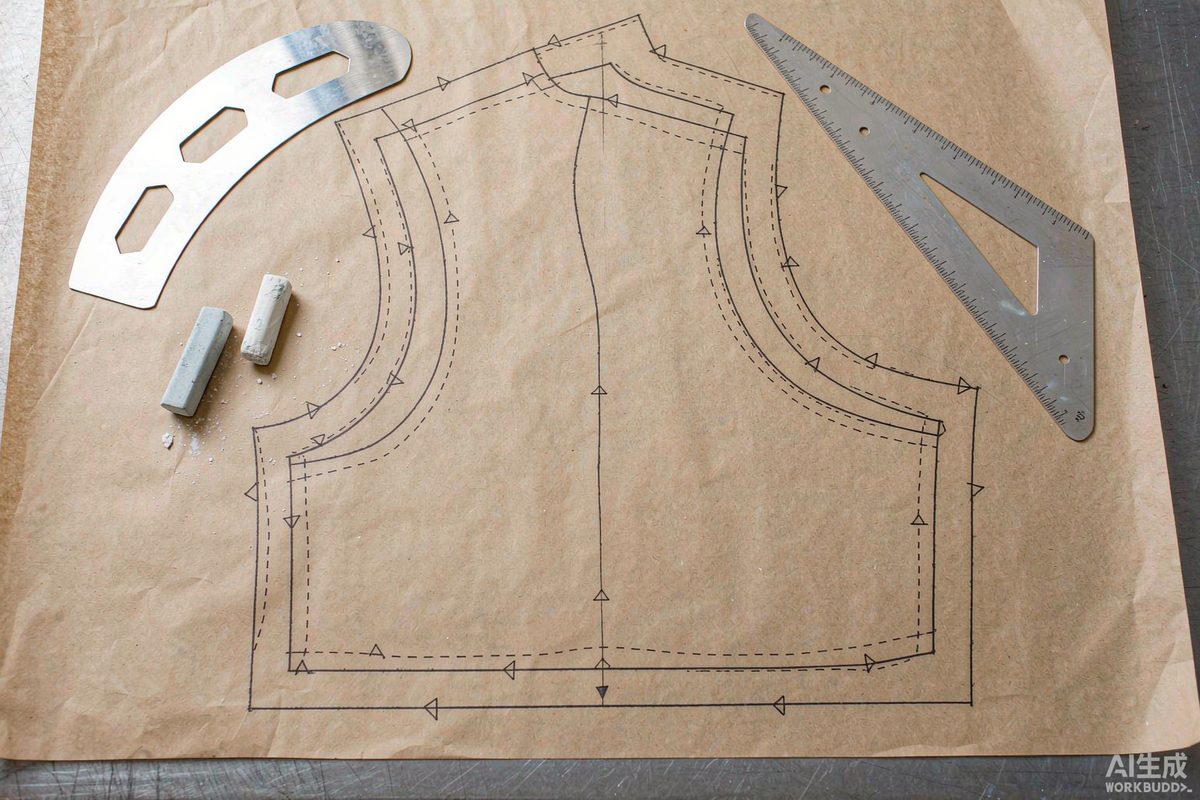
Pattern-making and fabric selection are the first cost drivers in any sample quotation.
Why One Sample Can Cost 3–5x a Bulk Unit
Bulk production spreads fixed costs across hundreds or thousands of units. A sample carries the same setup but produces only one garment. The pattern must still be drafted, the fabric still purchased (often at retail or small-roll premiums), and the sewing station still reset for a single piece. When those one-off costs are divided by one instead of five hundred, the unit price multiplies.
Factories also price in revision risk. Most first samples need at least one round of adjustments to fit, construction, or trims. A sample fee cushions that rework so the factory does not lose money on a style that may never reach bulk. Buyers who understand this structure can ask better questions and avoid the trap of comparing a sample price directly to a bulk FOB price.
Pattern-making and grading. A single pattern block can take 4 to 8 hours of skilled labor. Grading that pattern across sizes adds another 2 to 4 hours. At skilled-sample-room rates, that labor alone can represent 30–40% of the sample invoice. Digital pattern systems reduce this time, but hand-finishing and fit adjustments still require human judgment.
Fabric and trims minimums. Factories often buy fabric for samples by the meter or yard at prices 20–50% above bulk-roll rates. Trims such as buttons, zippers, and labels may carry vendor minimums that are wasted if the style does not proceed. A single custom woven label, for example, can carry a 500-piece minimum while the sample only needs three.
Labor inefficiency. A sample sewer stops, measures, recuts, and consults the pattern repeatedly. The same operation in bulk flows continuously. One sample can consume 3 to 6 times the sewing minutes of a bulk unit. Pressing, trimming threads, and final inspection also take longer per piece.
Markup for risk and administration. Coordination, shipping, photo documentation, and potential revisions are bundled into the fee. This markup typically runs 15–25% of the direct sample cost. It covers the factory’s risk that the style will be cancelled or heavily revised after the first sample.
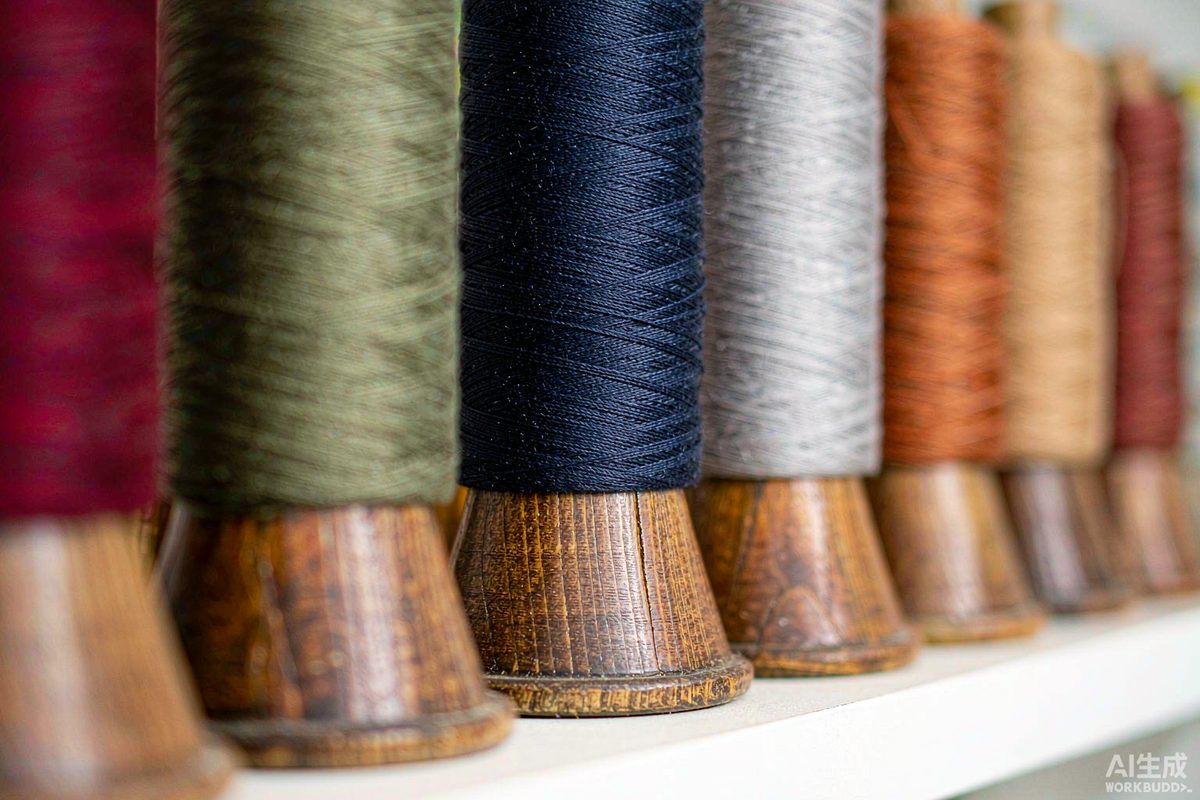
Material choices and thread specifications add measurable cost to a one-off sample.
The table below breaks down how a $45 sample fee is typically distributed. These ratios help buyers see where the money goes and where bulk savings appear.
Cost Item
Typical Share
Notes
Pattern + grading
30–40%
One-time; reusable in bulk
Fabric + trims
20–30%
Small-roll premiums apply
Labor
20–25%
Sewing, pressing, finishing
Risk/admin markup
15–25%
Revisions, shipping, coordination
How to Control Sampling Costs Without Cutting Corners
Start with a complete tech pack. Missing measurements, unclear construction notes, or undefined trims trigger revisions that could have been avoided. Brands that send full tech packs typically see 20–30% fewer sample rounds.
Consolidate samples into one shipment. Shipping three samples separately can cost more than the samples themselves. Ask the factory to batch prototypes and ship together. If you are sourcing multiple styles, request a combined sample package and negotiate a flat shipping rate.
Negotiate sample credit. Many factories refund 50–100% of the sample fee against the first bulk order. This aligns incentives: the factory invests in the relationship, and the brand only pays fully if the style does not move forward.
Finally, review the factory’s product range before sampling. A factory experienced in your category already owns compatible patterns and trim sources, which shortens the sampling cycle and lowers setup costs.
A low sample quote can also be a warning sign. If the factory underestimates fabric usage or pattern work, the missing cost often reappears as a bulk price increase or quality shortcut. Paying a realistic sample fee upfront gives the factory room to do the work correctly and produces a sample that truly represents bulk production. For complex styles, consider paying for a "sealed sample" or "production-ready sample" after the initial prototype. This second sample is made with bulk-intended fabric and trims and becomes the golden standard against which bulk is judged.
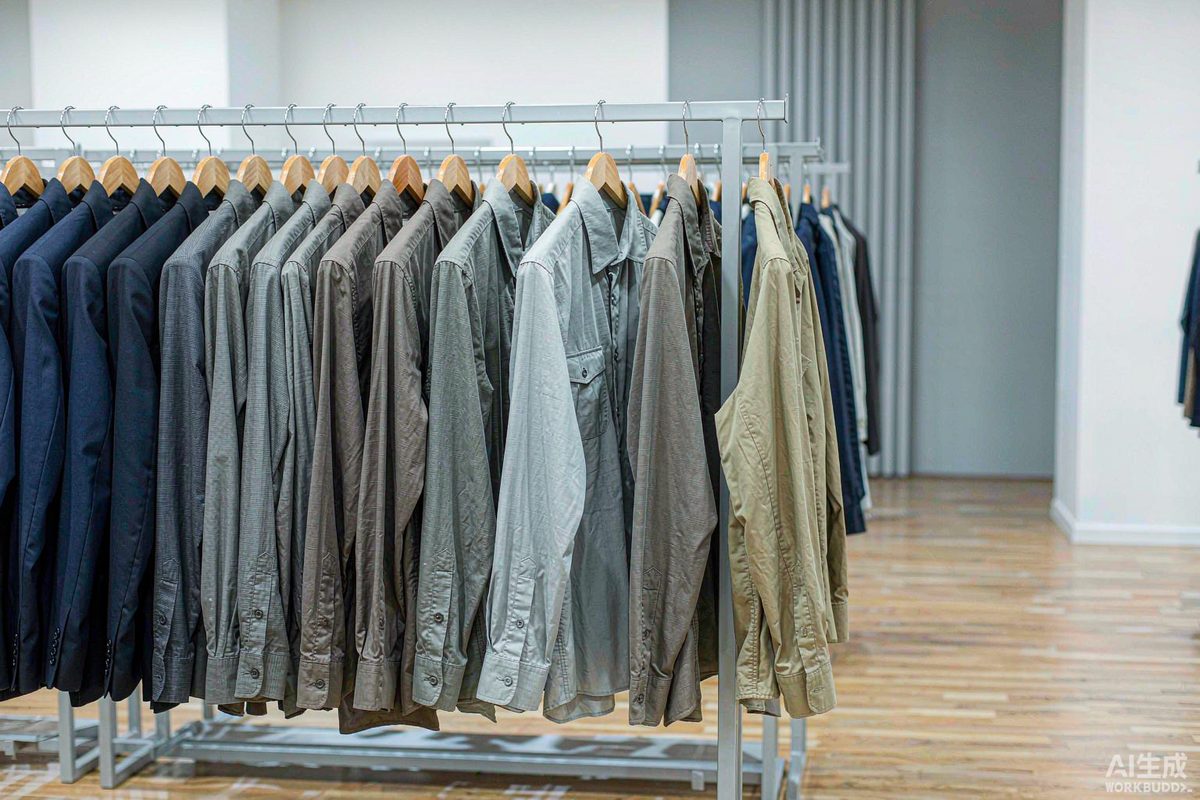
Each finished sample represents labor, materials, and revision risk rolled into one price.
Frequently Asked Questions
Should sample fees always be refundable?
Not necessarily. Refundable sample fees are common for straightforward styles, but complex or highly customized samples may carry non-refundable charges to cover genuine development work. The key is to agree on refund terms before the sample is made.
Why do two factories quote very different sample prices?
Differences usually come from in-house pattern capability, fabric sourcing power, and how many revisions are included. A lower quote may exclude grading or shipping. Always request an itemized quotation so you can compare like for like.
Can I skip the sample and go straight to bulk?
Skipping samples is high risk. Even basic styles can deviate in fit or fabric hand. A pre-production sample is the last checkpoint before fabric is cut in volume. The cost of one sample is usually far less than the cost of remaking a bulk order.
How long should sampling take?
Simple styles typically take 7 to 14 days. Complex outerwear, denim, or garments requiring custom fabric development can take 3 to 5 weeks. Rush sampling is possible but usually adds 20–40% to the fee.
Get a Sample Quote That Matches Your Plan
GorgeousBen Fashion is a menswear manufacturer with 20+ years of OEM/ODM experience, serving buyers in 47 countries. We quote sampling transparently, itemize each cost driver, and apply sample credits against bulk orders. If you are planning a new collection, contact us for a sample quotation and production timeline.