Third-party inspection for apparel orders pays for itself when the cost of a bad shipment exceeds the cost of an inspector-day — at a new supplier, on a first order, before a large balance payment, or whenever travel is not realistic. A pre-shipment inspection samples the goods per AQL once at least 80% of the order is packed.
Most buyers learn the difference the expensive way. The factory shows a stack of passed inspection records, the balance is wired, and the cartons that land weeks later hold a defect pattern nobody flagged. The records were honest; the team that produced them does not work for you. GorgeousBen manufactures menswear in Shishi, Fujian, with more than 20 years of OEM and ODM experience serving buyers in 47 countries, and buyers who understand when an independent inspection adds value build steadier programs than those who skip it or treat it as a weapon.
Why Factory QC and Third-Party Inspection Are Not the Same Job
A factory QC team is a real and necessary function: inline checkers watch the sewing lines, measurements are taken at finishing, and problems found early cost far less. But the reporting line matters. In-house inspectors report to the production manager, whose target is to ship the order; an independent inspector reports only to the buyer, has no stake in the shipment leaving, and works from the buyer's specification rather than habit. Neither replaces the other — the first catches defects while they are cheap to fix, the second verifies the finished result against the buyer's standard.
What a Third-Party Inspection Actually Covers
The most common format is the pre-shipment inspection (PSI), which takes place once at least 80% of the order is produced and packed — inspecting earlier means sampling goods that do not yet exist. The inspector draws a random sample from packed cartons; sample sizes and acceptance numbers follow the AQL framework, typically AQL 2.5 for major defects and 4.0 for minor ones, the logic explained in our guide to AQL inspection for apparel. Against that sample the inspector checks workmanship, measurements against the spec sheet, labeling, packing method, carton markings and, if agreed, a drop test. Findings go into a photo-evidenced report, usually issued within one working day.
Two lighter formats bookend the PSI. A during-production check visits the floor when a quarter to half the order is sewn, catching systemic problems while there is still time to fix the rest:
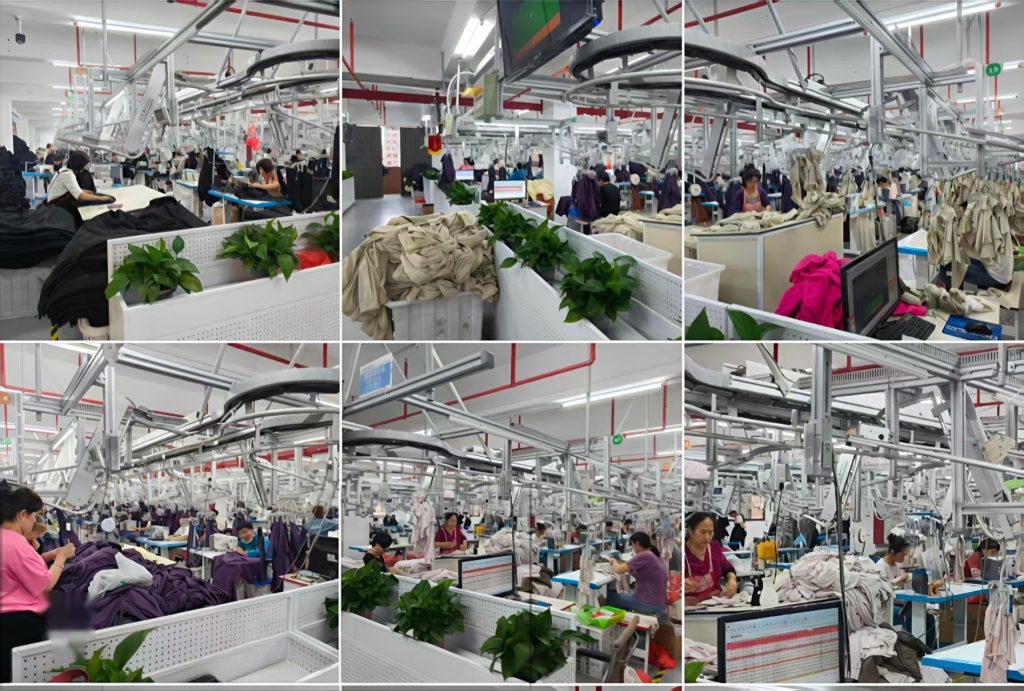
Inline checks fix problems early; the pre-shipment inspection verifies the end result.
A container loading check watches packed cartons go into the container and confirms quantities, carton condition and shipping marks — useful when goods are consolidated from several suppliers. For most programs the PSI is the anchor; the other two are optional add-ons.
When Hiring One Pays for Itself
An inspection is cheap next to a failed shipment — discounted stock, a second run, or a missed season. Where buyers get real value:
- New supplier. Until a factory has shipped to you several times, you have no defect history to lean on. Book the first order, at least.
- First order in a new product category or fabric. A trouser specialist making its first padded jackets is learning on your order; the risk resets even if the relationship is old.
- Before releasing the balance payment. The report is the strongest input to the balance decision — see how to read a factory QC report before paying the balance.
- High value density. When fabric dominates cost, small defect percentages mean large sums.
- When you cannot travel. An inspection is the closest substitute for standing in the warehouse yourself — and considerably cheaper than the trip.
When the Factory's Own QC Is Enough
Booking an inspector on every order is a habit, not a strategy. If a supplier has shipped dozens of orders with a flat or falling defect trend and the bulk always matched the sample, internal QC plus occasional spot checks is rational. The deeper verification belongs in the factory audit checklist and the sample round, not in repeated final inspections. The question is risk-based: what changed since the last good shipment? New category, new fabric, new line, a season's rush — any one is a reason to book; nothing changed is a reason not to.
Factory QC vs Third-Party Inspection at a Glance
| Aspect |
Factory QC |
Third-party inspection |
| Reports to |
Production manager |
The buyer only |
| Timing |
Continuous, inline and at finishing |
One visit at 80%+ packed (or booked inline) |
| Standard applied |
Factory's own experience and habits |
Buyer's spec sheet and agreed AQL levels |
| Best used for |
Fixing defects while they are cheap |
Verifying the shipment before money moves |
What It Costs and How Booking Works
Nearly all providers price per inspector-day, not per order. One inspector-day is generally enough to work through the sample for a standard order — roughly 125 to 200 garments under the AQL tables — while a complex padded jacket can stretch a man-day. Most providers attend within a few working days of a booking, so tie the booking to the packing forecast and reserve the inspection for the day after 80% packed is reached. Costs rise with extra man-days, remote locations and re-inspection visits, but for a routine order the total is normally a small fraction of one percent of order value — the cheapest insurance in the sourcing budget, and worth reading against the hidden costs in garment manufacturing.
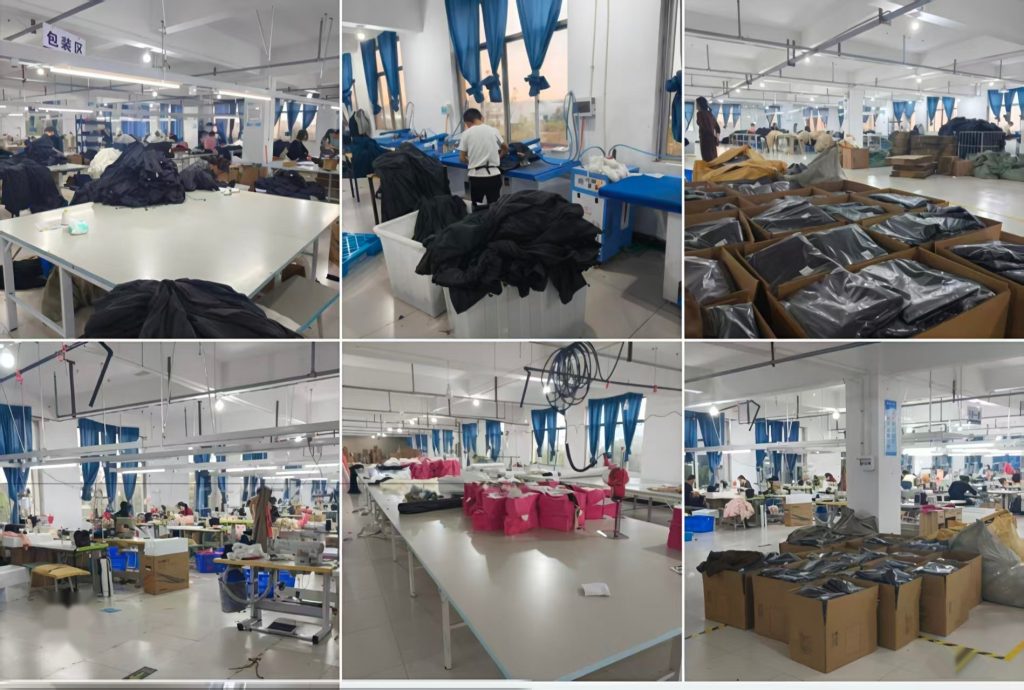
The inspection happens against packed cartons — what goes in the box is what gets verified.
Six Terms to Agree in Writing Before the Visit
Most disappointing inspections trace to an unagreed scope, not a lazy inspector. Fix these six points in the booking:
- The sampling plan: state the AQL levels explicitly — 2.5 major / 4.0 minor is the common default — instead of "standard export quality".
- Defect classification examples: list what counts as major versus minor for your style; a loose thread is minor, a broken stitch at a load-bearing seam is not.
- Measurement points and tolerances: send the spec sheet with the specific points to check, not the whole tech pack.
- Packaging and shipping marks: folding method, polybags, carton markings and label placement.
- Photo evidence: require photos of every major defect and of the packing method, or the report is an opinion.
- Re-inspection terms: who pays when a failed inspection leads to a re-check — agree this in advance.
Reading the Report Without Starting a Fight
A report comes back as pass, hold or fail, driven by the acceptance numbers of the sampling plan — not by the inspector's mood. Treat it as data. If it passes, release the balance and file the defect list anyway: the trend matters more than any single result. If it fails, go back to the factory with the photos, agree a rework plan, and schedule the re-inspection. Factories respect buyers who argue about the standard before the order and accept the agreed result after it. The finished garment is what gets judged:
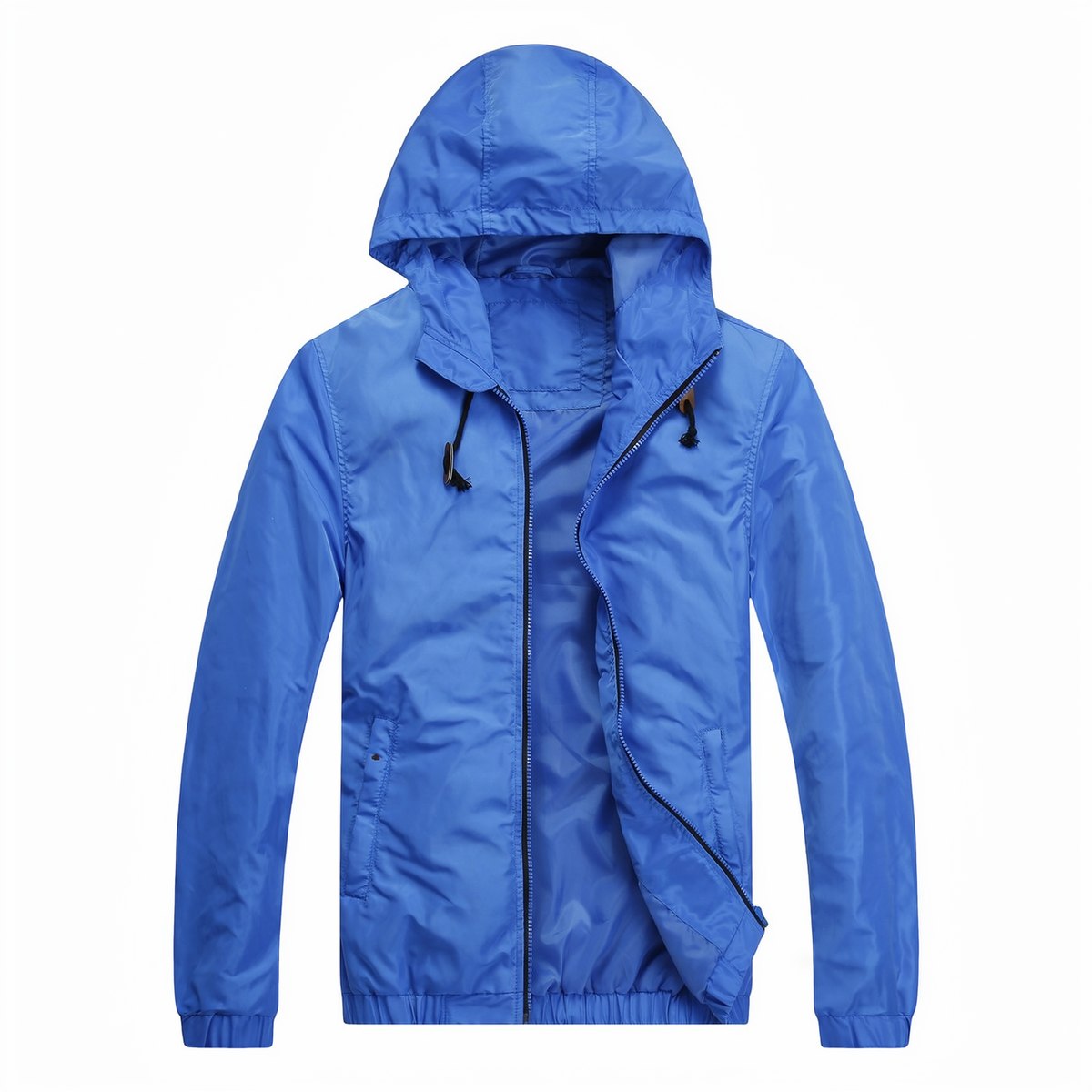
Measurements, seams and hardware — the finished garment is what the sample plan judges.
Frequently Asked Questions
What does a third-party inspection check in apparel?
A pre-shipment inspection draws a random sample from packed cartons and checks workmanship, measurements against the specification, labeling and hangtags, packing method and carton markings, with photo evidence for every major defect. The result is a pass, hold or fail report based on the agreed AQL acceptance numbers.
When should a pre-shipment inspection be booked?
Once at least 80% of the order is produced and packed. Ask the factory for its packing forecast, then reserve the inspection for the following day. At a new supplier, in a new category, and before releasing the balance payment, treat it as standard procedure rather than optional.
How much does a third-party apparel inspection cost?
Providers price per inspector-day, and a standard order sample usually fits within one man-day; complex garments, remote factory locations and re-inspection visits add cost. For a routine order the total is typically a small fraction of one percent of the order value — most buyers treat it as insurance, not an expense.
Can repeat orders skip third-party inspection?
Yes, when the defect trend across recent shipments is flat or falling and nothing material has changed. Book again when the supplier takes on a new category or fabric, when volumes jump, or when a seasonal crunch puts unfamiliar pressure on the line — risk, not ritual, should decide.
Verify Before the Money Moves
Decisions made before shipment are cheap; decisions made after the container sails are not. Whether the check comes from an inspection company or from the factory itself, the essentials are the sampling plan, the defect standard and the evidence — fixed in writing and verified before the balance leaves your account. GorgeousBen produces menswear — cargo pants as the flagship category, plus jackets, chinos, shorts and shirting — on its own cutting, sewing and packing floors in Shishi, Fujian, and welcomes buyer-appointed third-party inspections as standard practice. Browse the GorgeousBen product catalogue and contact the team with your styles and quantities to discuss a program built for verification.


