A garment quote covers far more than fabric and sewing, and the gaps between quotes are where budgets break. Fabric alone makes up 40-50% of a typical FOB price, which leaves half the cost open to markups and add-on fees. Knowing where hidden costs in garment manufacturing sit lets you compare factories on real numbers instead of headline prices.
What a Standard Garment Quote Contains
A complete FOB quotation has four building blocks:
- Fabric - the largest line, driven by weight, fibre and dyeing route.
- Trims and accessories - thread, buttons, labels, zips, hangtags, packaging.
- CMT labour - cutting, sewing and finishing workmanship.
- Overhead and margin - factory running costs and profit.
When a quote arrives as one merged number instead of these lines, comparison becomes guesswork - and guesswork is where the hidden costs enter.
Six Add-Ons That Inflate the Final Invoice
| Add-on |
How it appears |
How to surface it early |
| Extra sampling rounds |
Each revision round billed separately, sometimes at courier cost too |
Ask which rounds are free and what a revision costs before sampling starts |
| Trims markup |
Sourced trims re-invoiced with a margin on top |
Request trims at documented cost with receipts for big orders |
| Washing and finishing |
Per-garment fee for wash, press or special finishes, added after bulk |
Name every finish in the PO and price it in the quote |
| Packaging and hangtags |
Polybags, printed labels and cartons quoted per unit later |
Fix the packaging standard in the tech pack, not after production |
| Rework and repairs |
Usually absorbed; sometimes billed when responsibility is unclear |
Agree in writing who pays when inspection finds defects |
| Payment and freight fees |
Bank charges, currency spread, seasonal freight surcharges |
Agree Incoterms and payment split up front |
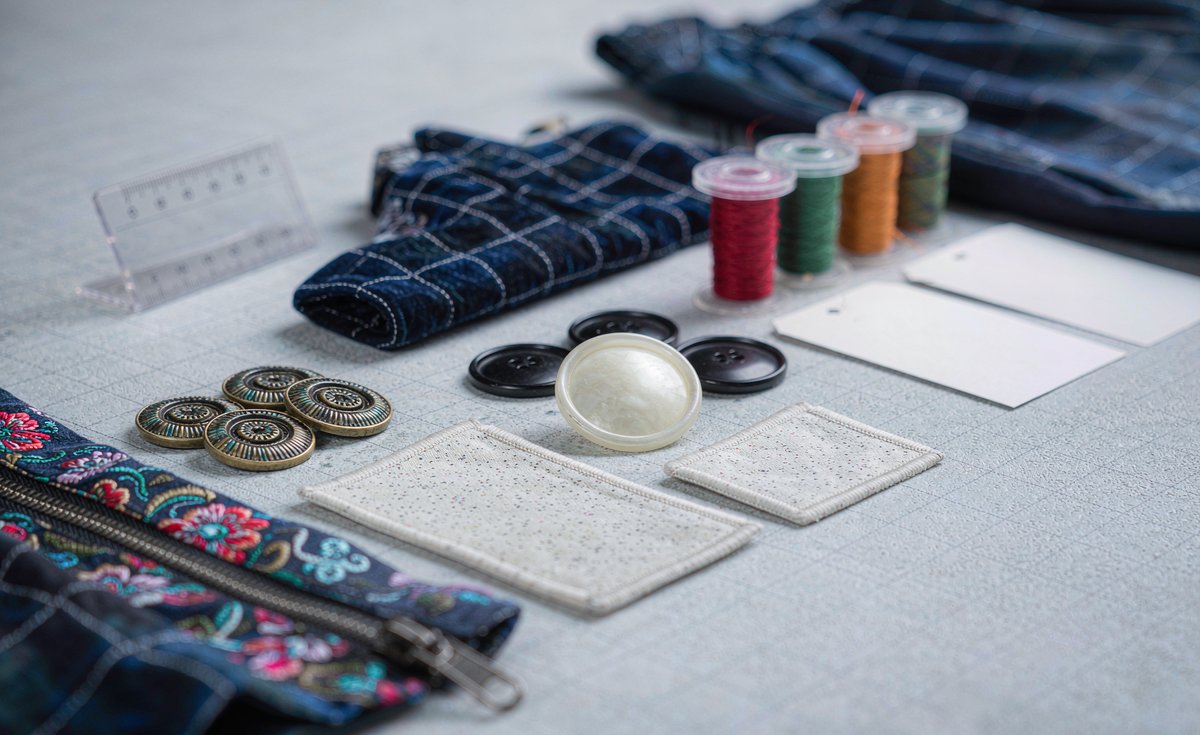
Small parts, real money: trims are the most common place a quoted price grows after signing.
Fabric sourcing has its own cost traps - the breakdown of what fabric suppliers leave out of their first price is covered in fabric sourcing cost breakdown.
How to Compare Quotes Apples-to-Apples
Two quotes differ usefully only when they describe the same order. Before ranking factories, force every quote onto the same base:
- Same fabric spec - fibre, weight and finish written identically on both.
- Same Incoterms - an EXW price and a DDP price are different products; the terms guide to DDP, FOB and EXW explains the spread.
- Same packaging standard - polybag, hangtag, carton marking defined in the tech pack.
- Same sample policy - which rounds are included and who pays couriers.
- Same payment terms - deposit share, balance trigger and currency.
Once the bases match, the itemised lines reveal which factory is genuinely efficient and which one is quoting low and recovering later through add-ons.
Locking the Price Before Production
A quoted price is only fixed when three things are pinned in writing: the unit price against a sealed sample and an approved bill of materials; the quote's validity window, typically 30 to 60 days because raw material prices move; and the exact events that allow a re-quote, such as a buyer-driven spec change. With those three clauses, the invoice at the end of production should match the quote at the start - line by line.
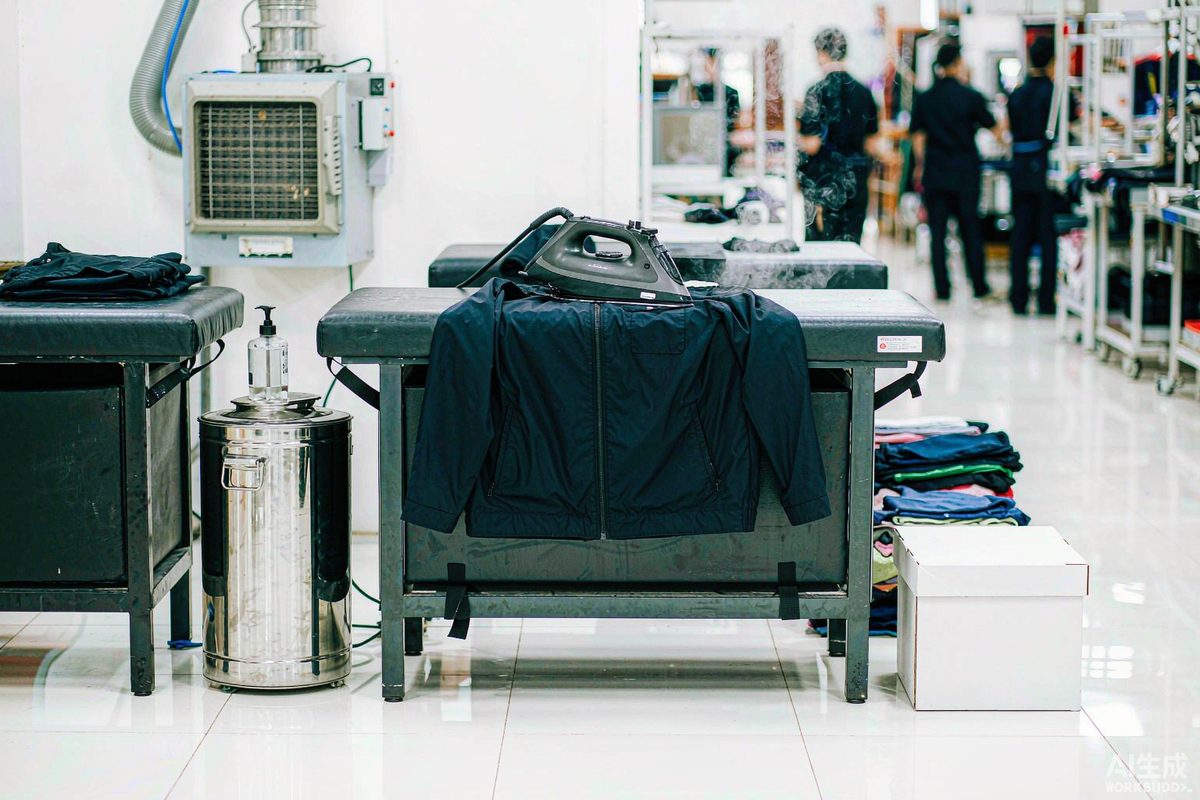
Washing, pressing and finishing are legitimate charges - they just belong in the quote, not after it.
How GorgeousBen Quotes: Line by Line
GorgeousBen Fashion is a menswear manufacturer with 20+ years of OEM/ODM experience shipping to buyers across 47 countries. Quotations are issued itemised - fabric, trims, labour and packaging on separate lines - so buyers see exactly what they are paying for. Trims are quoted at documented cost, sample policies are stated before sampling begins, and any spec change is re-confirmed in writing with its price effect before production continues.
Frequently Asked Questions
Why is the second quote higher than the first?
Usually because the spec moved between the two: a heavier fabric, a different trims set, added packaging or a new finish. Quote validity can also lapse - many prices hold for 30 to 60 days. Ask the factory to restate the spec sheet with the new price so the difference is visible line by line.
Who pays for sample revisions?
It depends on the policy agreed before sampling. Many factories include a fixed number of rounds and charge for extra ones, plus courier fees either way. Agree the policy in writing before the first sample is made so revision costs never become a dispute.
Do factories mark up trims and accessories?
Commonly yes - a handling margin on sourced trims is normal practice and often lands between 10% and 20%. For large orders, buyers can ask for trims at documented supplier cost with receipts, or supply their own custom trims directly to the factory.
What does CMT actually include?
CMT stands for cut, make and trim: the labour to cut fabric, sew the garment and finish it. It does not include the fabric itself, trims sourcing, packaging or freight. When a factory quotes CMT, price those remaining items separately before comparing with an FOB quote.
Want a quotation you can actually compare? Send your style to GorgeousBen and receive an itemised quote - fabric, trims, labour and packaging on separate lines, with the sample policy stated up front.


