Most production disasters start as ordinary sentences nobody clarified. A shade called "navy", a pocket "a bit lower", a deadline "before the holidays" - each vague phrase can cost an extra sampling round of five to seven days or a rework bill on bulk goods. Clear communication with your clothing manufacturer is cheaper than any discount you will ever negotiate.
Why Messages Get Lost Between Buyer and Factory
Three structural gaps sit between every buyer and factory, and none of them are about competence:
- Time zones. Your afternoon is the factory's evening; each round-trip question costs a day, so unclear messages often get answered with assumptions instead of questions.
- Language. Adjectives travel badly. "Roomier fit", "softer handfeel" and "better quality" mean something different to every reader.
- Distance from the line. The merchandiser who reads your email is not the operator at the machine - instructions degrade with each handover unless they are written and visual.
Good clothing manufacturer communication does not remove these gaps; it builds habits that make the gaps harmless.
Keep One Source of Truth
Decisions scattered across chat apps, emails and call notes will contradict each other. Fix it with one living document: a spec sheet or tech pack that carries every measurement, material and construction detail, plus a dated change log. When something changes, the document is updated and versioned - never "remember to mention it in the next call". A complete spec sheet halves these problems before they start; the checklist of what a tech pack must contain before a factory can quote is a practical starting point.
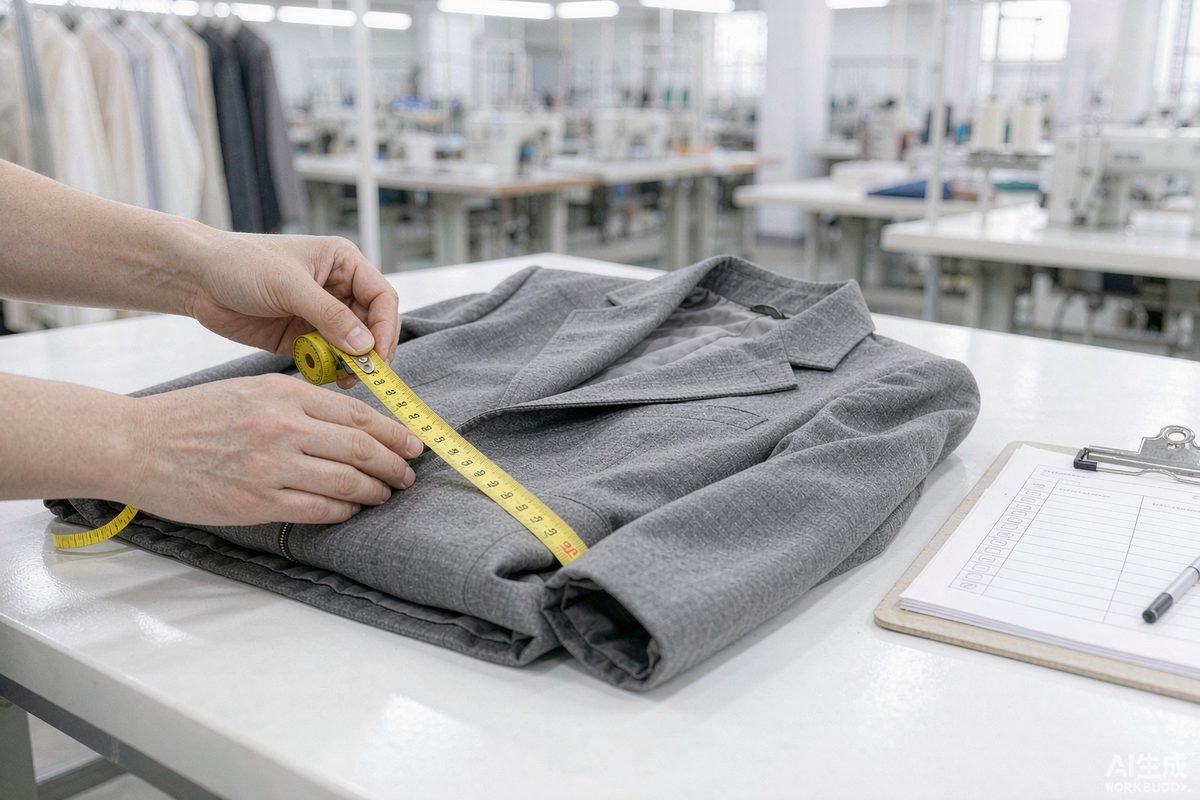
Written numbers travel: a measurement on a spec sheet survives every handover a verbal instruction does not.
Comment on the Sample, Not in Paragraphs
Sample feedback fails when it is prose. It works when it is annotated:
- Number every comment and pin it to a location - "collar", "cuff", "inside waistband".
- Use photos with arrows or circles for anything visual; one marked photo beats three paragraphs.
- State what to change, where, and in which direction - "shorten sleeve 1.5 cm at the cuff", not "sleeves feel long".
- Ask the factory to repeat the change list back in writing before work starts. Their summary reveals misreads while they are still free to fix.
Set Response Rules and Milestone Confirmations
Silence is where schedules die. Agree two rules at the start of an order. First, acknowledgement: every buyer message gets a reply within 24 business hours, even if the full answer needs another day - so you always know the message arrived. Second, milestones: the factory sends dated photo confirmation at fixed points - fabric in-house, pre-production sample approved, mid-line production, packing - and production proceeds past each point only on your written confirmation. These checkpoints pair naturally with the inspection stages described in the guide to inline QC checkpoints.
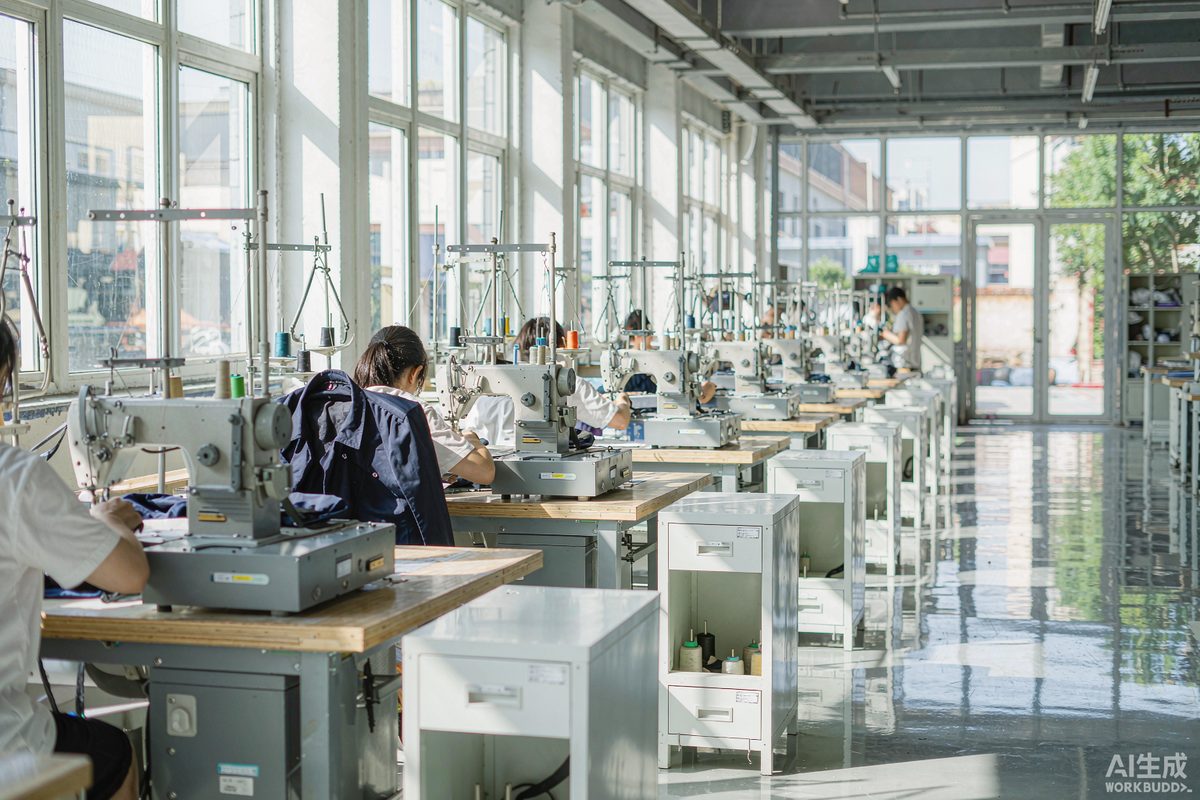
Milestone confirmations keep the line and the buyer looking at the same version of the order.
How GorgeousBen Runs Buyer Communication
GorgeousBen Fashion is a menswear manufacturer with 20+ years of OEM/ODM experience serving buyers across 47 countries. Every order runs with an English-speaking merchandiser as a single contact point, written summaries after each call, and dated photo updates at the four production milestones. Change requests are answered with their price and delivery effect in writing before work continues - so decisions are made on facts, not on guesses.
Frequently Asked Questions
How fast should a clothing factory reply to emails?
A competent export factory acknowledges a buyer message within 24 business hours and sends a complete answer within about 48. Faster than that is welcome; slower on a regular basis is a warning sign, because slow answers during sampling get slower during production.
What if my factory and I speak different first languages?
Keep sentences short, avoid idioms, and lean on drawings, measurements and photos - numbers and images cross language borders better than vocabulary. Ask the factory to confirm every instruction back in writing, and treat their confirmation as the binding version of the instruction.
How do I make sure a change is actually applied?
Write it as a change note with a date and version number, reference the affected spec sheet lines, and get a written confirmation that names the same lines. For anything visible, ask for a photo of the corrected sample before bulk cutting starts - cutting is the point of no return.
Who translates the tech pack?
Factories with steady export business work directly from English spec sheets every day, so you normally do not translate anything. What helps them most is structure: tables over prose, labelled diagrams over descriptions, and one shared document instead of five attachments.
Want a factory that answers in writing, on time, at every milestone? Talk to GorgeousBen about your next menswear programme - or browse the product lines to see what the team produces every day.


