The right shorts end just above the knee with a 7-inch inseam for most men, sit at your natural waist, and leave a hand's width of room in the leg. Get those three numbers right and almost any color or fabric looks sharp; get them wrong and even expensive shorts read as sloppy. This guide turns shorts fitting into a 60-second checklist.
Why does length dominate the conversation? Because a wrong inseam is the one mistake everyone can spot from ten feet away, and it cannot be fixed by a belt or better shoes the way a loose waist can. The good news: unlike jackets, shorts have only three measurements that matter, and every one of them is checkable in a mirror. Whether you buy off the rack or order custom trousers from a manufacturer like GorgeousBen Fashion — a menswear maker with over 20 years of OEM/ODM experience — the same rules apply.
Inseam: The One Number That Decides Everything
Inseam is the distance from the crotch seam to the hem, and it is the first thing to check. For most men the sweet spot is 7 inches (about 18 cm), which puts the hem just above the knee. Use this range as your map:
- 5-inch inseam: Mid-thigh. Athletic and confident, but only works with lean legs and casual settings. Easy to get wrong.
- 7-inch inseam: The universal default. Ends just above the knee, works for office-casual, weekends and holidays. Start here.
- 9-inch inseam: At or just below the knee. Suits taller men (6'2"+) or those who prefer more coverage, but shorter men should avoid it — it visually cuts the leg and makes you look squat.
- 11-inch or longer: Basketball territory. Leave it on the court.
If you are between heights, adjust by one inch, not three. A 5'9" man in an 8-inch short still looks proportionate; the same man in a 10-inch short does not.
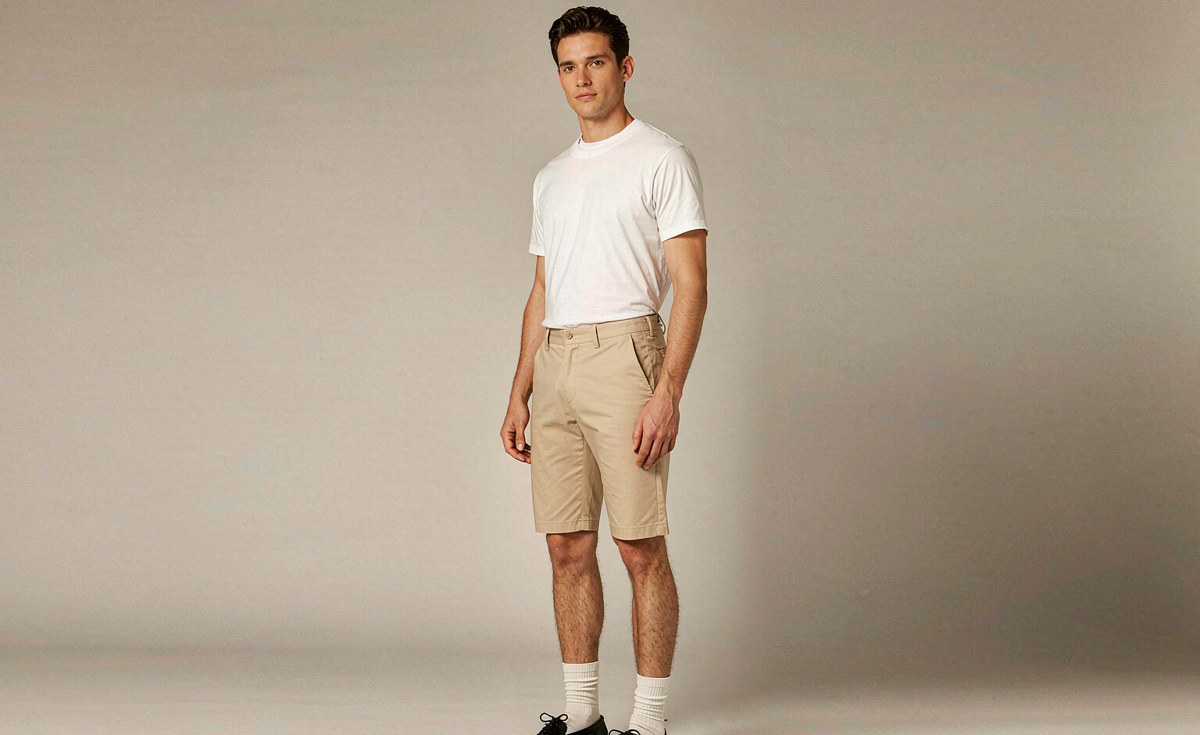
The 7-inch benchmark: hem resting just above the knee, clean line from hip to hem.
Rise and Waist: Where the Shorts Actually Sit
Rise is the distance from the crotch seam to the top of the waistband, and it controls comfort more than style. Mid-rise is the correct choice for almost everyone — the waistband sits at or just below your navel, where your body is naturally narrower, so the shorts stay up without a belt and do not dig in when you sit.
Two rules to remember:
- Low-rise shorts slide down and bunch at the crotch. If you keep pulling your shorts up, the rise is wrong, not your belt.
- The waistband should pass the two-finger test: two fingers slide flat between waistband and waist, three fingers should not. Tighter than that and the back will ride up when you walk; looser and the crotch sags.
If you have a larger stomach, a mid-rise with a slight back elastane mix (1–2%) is far more comfortable than sizing up and cinching a belt — sizing up usually fixes the waist but blows out the leg opening.
Leg Opening: Escape the Baggy-Straight Trap
The leg opening — how wide the hem circles your thigh — is the most ignored measurement. A good rule: the hem should be a hand's width wider than your thigh at that point, or roughly 22–24 cm across for an average build. Any wider and the short flaps and flares (the "parachute" look); any tighter and it grips the thigh like a cycling short.
A small taper from thigh to hem is what separates tailored shorts from cut-off trousers. Flat front panels, no cargo pockets on the thigh unless you genuinely need them, and a hem that holds a straight line when you stand still — those details do more for your look than any logo.
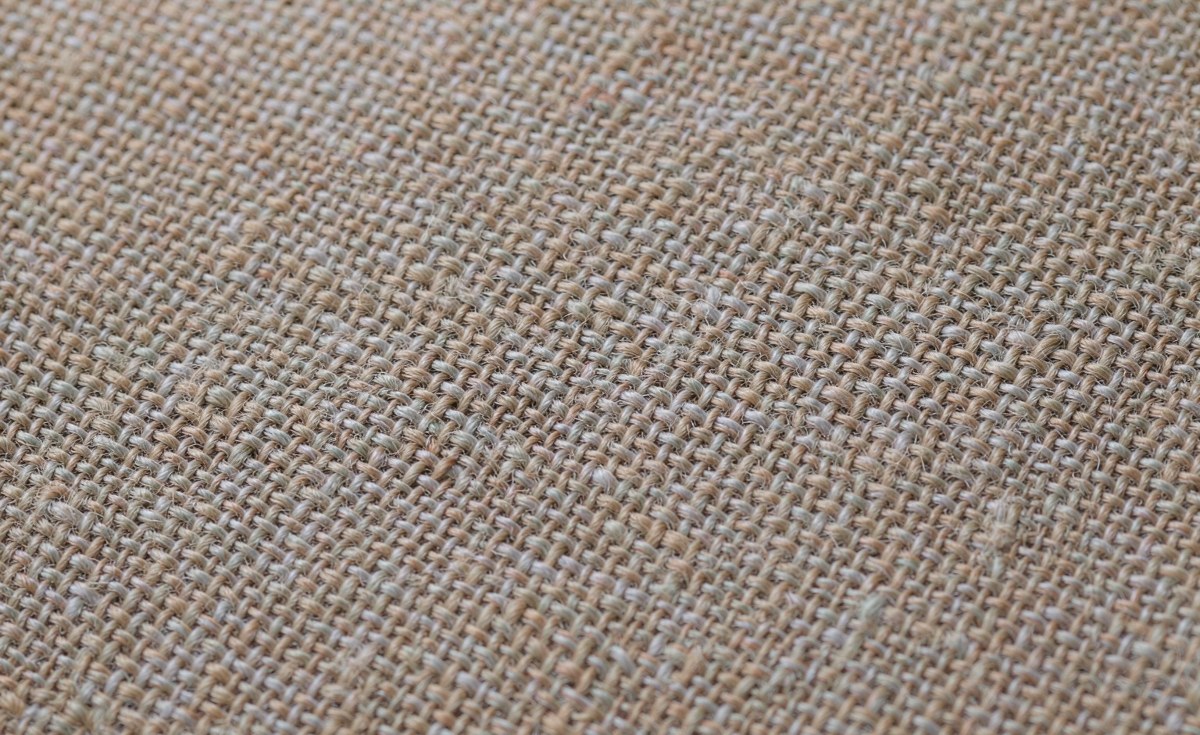
Leg opening check: roughly 22–24 cm across for an average build, with a gentle taper from the thigh.
Adjustments by Body Type
The 7-inch default bends slightly depending on your build:
- Shorter men (under 5'7"): stay at 5–7 inches and keep the leg opening trimmer — showing more leg lengthens your silhouette.
- Taller men (over 6'2"): 7–9 inches keeps proportions balanced; very short shorts can look undersized on long legs.
- Muscular thighs: prioritize the leg opening over the label size — a straight, roomier hem reads better than a stretched taper.
- Slim build: mid-rise with a slight taper adds structure; avoid anything too flowy.
The 60-Second Fitting Checklist
Run this in the fitting room or at home:
- Hem sits just above the knee (7-inch inseam for most heights).
- Waistband at navel level; two fingers fit flat, three do not.
- Hand's width of air between thigh and fabric at the hem.
- No pulling or "smiling" at the front pockets when you stand.
- Sit down: waistband stays put, hem does not ride past mid-thigh.
Five passes and you will never buy a bad pair again. Fit first, then fabric, then color — in that order. If you want shorts and trousers built around your measurements instead of a size chart, explore GorgeousBen's menswear range and see what a properly graded fit feels like.
Quick Answers
What inseam should short men wear for shorts?
Shorter men look best with a 5-to-7-inch inseam that ends above the knee, paired with a slightly trimmer leg opening. More visible leg creates a longer silhouette. Avoid 9-inch or longer hems, which visually cut the leg in half.
Are 7-inch shorts good for tall men?
Yes, 7-inch shorts work for tall men, but many find 8-to-9-inch inseam better balanced with long legs. The goal is proportion: the hem should sit just above or at the knee, not halfway up the thigh, which can look undersized on a 6'3" frame.
How tight should the leg opening of shorts be?
Leave about a hand's width of space between your thigh and the fabric at the hem, roughly 22-to-24 centimeters across for an average build. The hem should not grip the thigh or flare outward — a gentle taper from thigh to hem is the target.
Should shorts sit at the waist or hips?
At the waist, at or just below the navel. A mid-rise keeps the shorts up without a belt, prevents crotch bunching, and looks more tailored than low-rise styles that slide down and ride up when you walk.
What is the two-finger test for shorts?
Slide two fingers flat between the waistband and your waist. If they fit comfortably, the waist is right; if three fingers fit, it is too loose, and if two cannot slide in, it is too tight. It takes five seconds and prevents most waist-fit mistakes.


