Why a Factory Audit Checklist Matters Before You Sign
A single bad supplier visit can cost you 30% of your order value in rework, delays and failed inspections — which is why every serious buyer runs a structured clothing factory audit checklist before placing a first purchase order. Industry data shows that roughly 30% of new supplier relationships fail on the first order, usually because red flags were visible during the first visit but nobody knew what to look for. This guide gives you 12 red flags, grouped into four areas, so your next garment factory evaluation takes 90 focused minutes instead of a vague tour.
GorgeousBen Fashion is a menswear manufacturer with 20+ years of OEM/ODM experience, and we have hosted hundreds of buyer audits. The factories that pass scrutiny share the same habits; the ones that fail usually trip on the flags below.
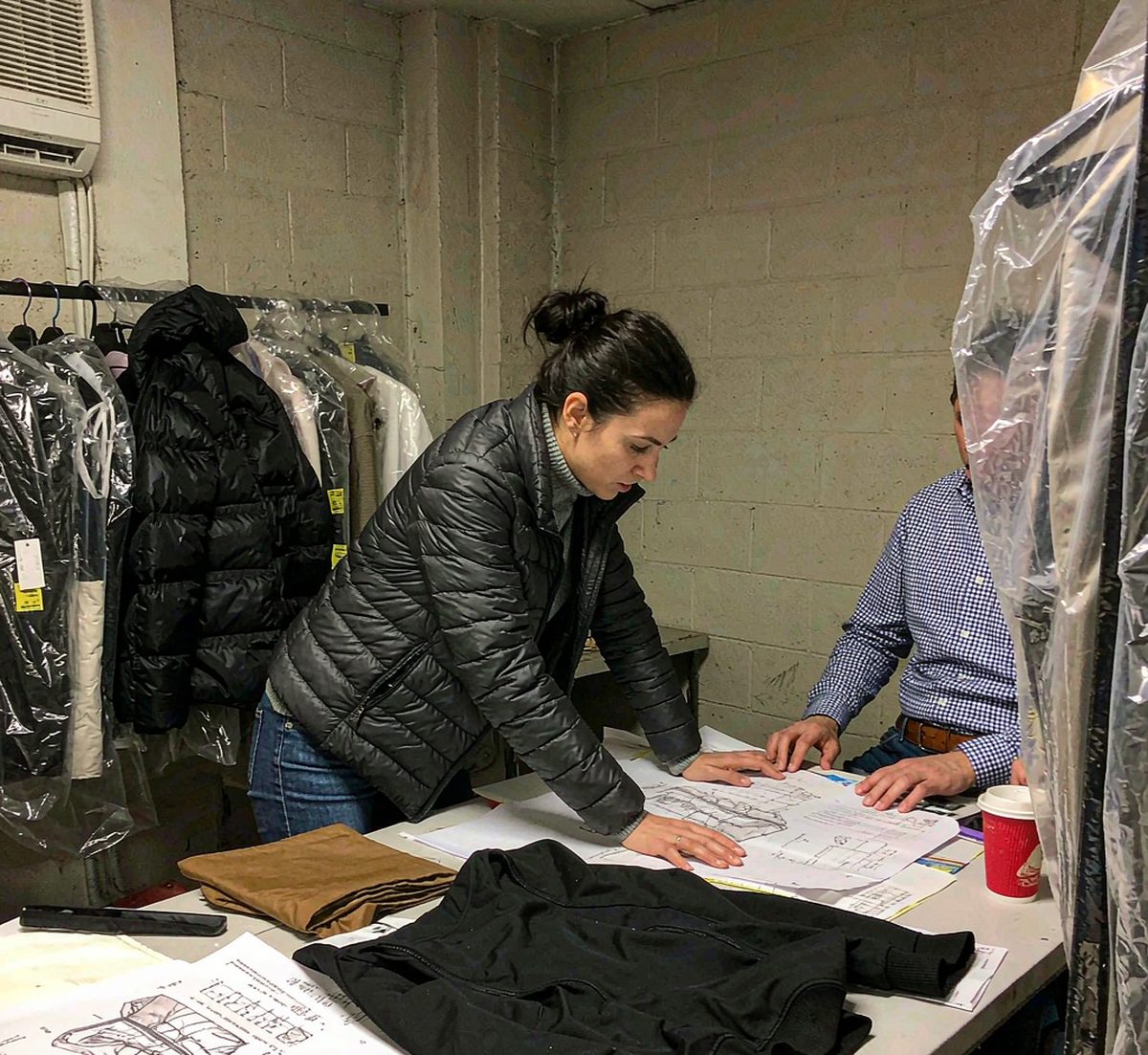
Fabric warehouse check: rolls should be labelled, covered and traceable to batch numbers.
Red Flags 1–3: The Fabric and Trim Warehouse
Fabric is 40–50% of your FOB cost, so start where the money sits. A messy or silent warehouse tells you more than any sales pitch.
- Unlabelled fabric rolls. If rolls have no batch, supplier or shade-lot tags, colour consistency between shipments is impossible to guarantee.
- No segregation between approved and unapproved material. Bulk fabric and rejected lots stacked together means the wrong roll can end up in your order.
- Trims stored loose on open shelves. Buttons, zippers and labels mixed without bins lead to wrong-trim defects that only surface at final inspection.
Ask to see the receiving log for your target fabric. A serious factory can produce it in under two minutes.
Red Flags 4–7: The Production Floor
The sewing floor is where your lead time and quality are actually made. Walk it end to end — cutting, sewing, pressing, packing — and watch for these supplier audit red flags:
- Needle plates caked in lint. Poor machine maintenance shows up later as oil stains and skipped stitches on your garments.
- WIP piled high between operations. Bottlenecks mean your promised production schedule is already fictional.
- No inline QC station. If defects are only caught at the end, up to 10% of output can be second-grade instead of repaired mid-line.
- Mixed client production with no line segregation. Your styles can be confused with another buyer's, especially dangerous with logo work.
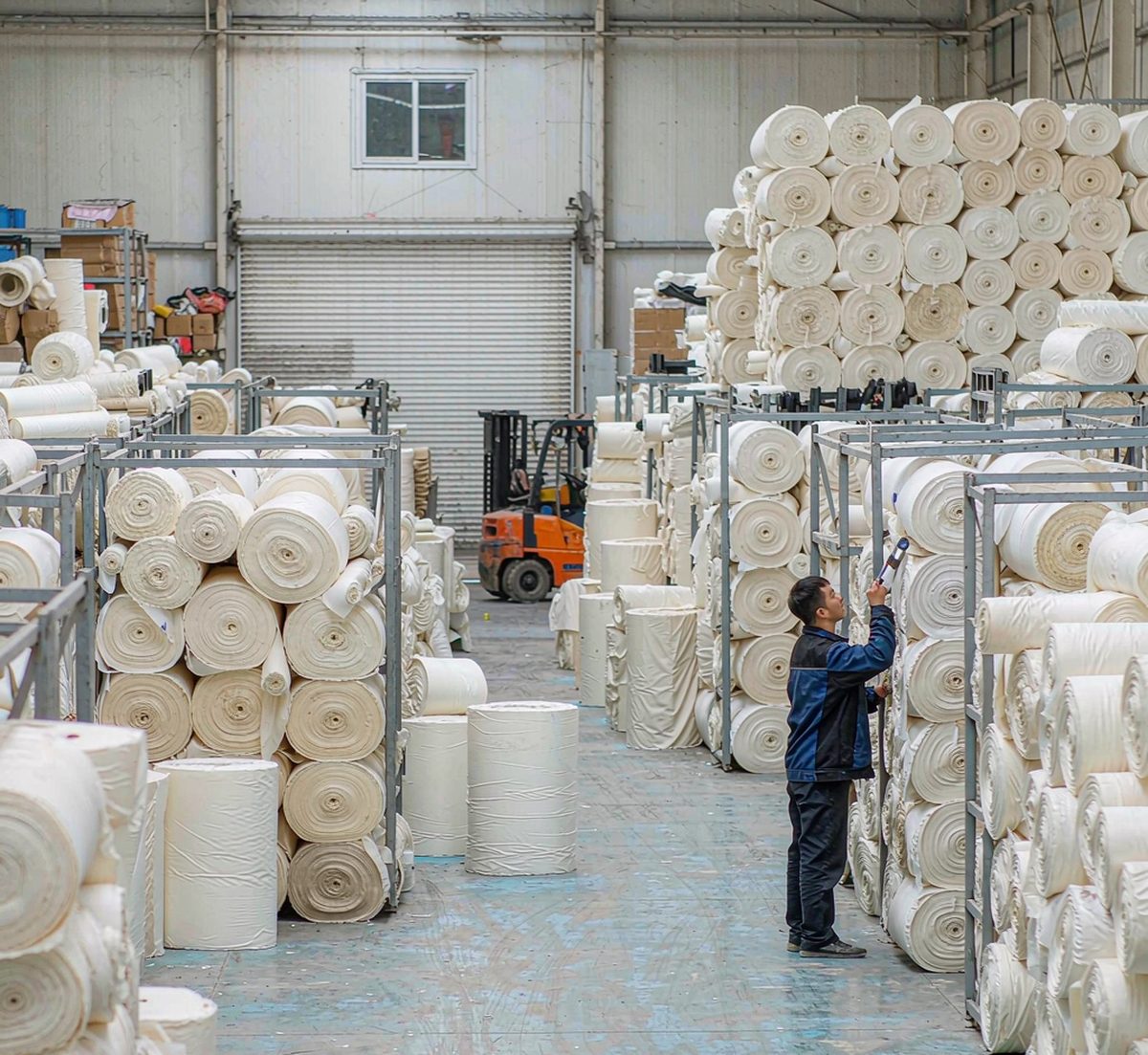
A clean, sequenced sewing floor with inline inspection points is a green flag, not a luxury.
Red Flags 8–10: Documentation and Sampling
What the office cannot show you, the floor cannot produce. These checks take ten minutes and prevent the classic "sample looked great, bulk did not" failure:
- No golden sample on file. If the factory cannot show a sealed reference sample for a current order, every future shipment is a negotiation.
- Measurement sheets not signed at each checkpoint. Uncontrolled tolerances drift across sizes — a size M that fits and a size XL that does not.
- Quotes with no cost breakdown. A single-line price hides fabric consumption and trims, which is where hidden markups live.
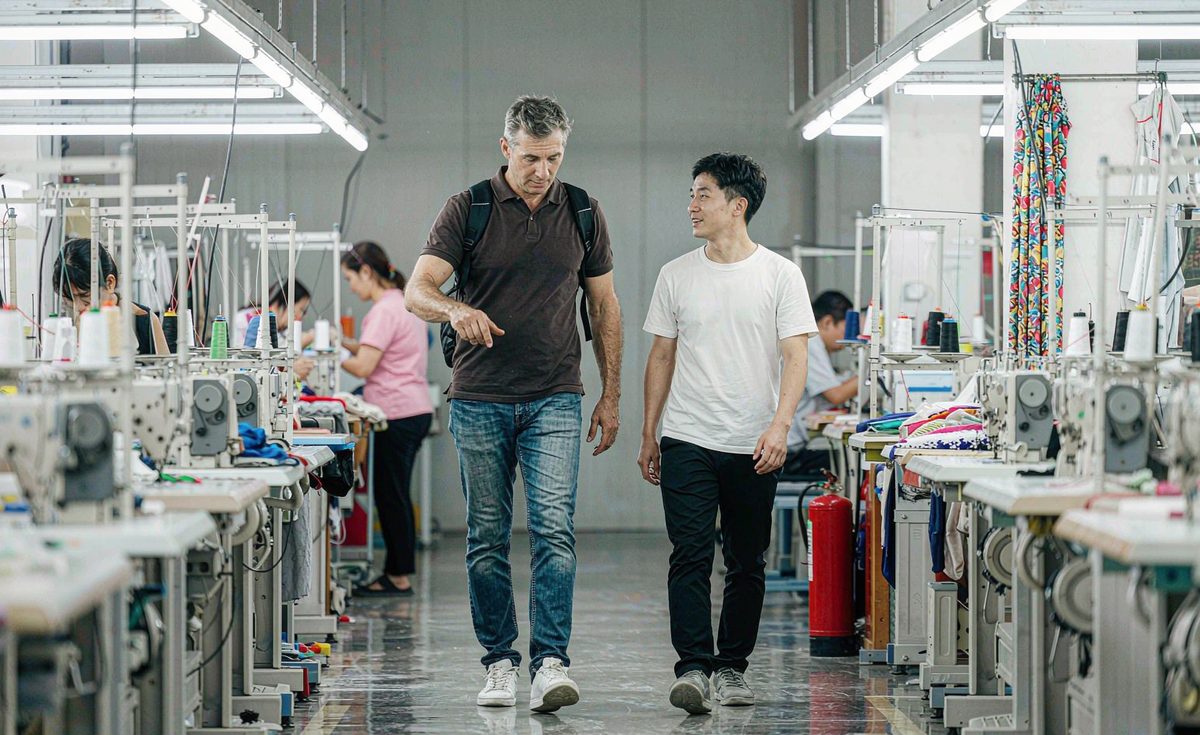
Review the tech pack and golden sample together — agreement in writing beats agreement in memory.
Red Flags 11–12: Communication and Capacity Honesty
- One person answers everything. If only the owner speaks English and there is no dedicated merchandiser, expect communication gaps once your order hits the floor.
- Capacity claims that ignore the calendar. Ask what is running on the machines today and in which week your order would start. Factories that cannot answer are overselling.
Score each flag 0–2 during the walk. Seven or more points across twelve checks is a walk-away; zero to two flags usually means a workable partner who just needs tighter SOPs.
Frequently Asked Questions
How long does a proper clothing factory audit take?
Plan 2–4 hours on site: 90 minutes on the floor, 30 minutes in the warehouse, 30 minutes on documentation and a closing meeting. Remote audits via live video can cover 70% of the same checks when travel is not possible.
Can I audit a factory before I have a large order?
Yes, and you should. Most factories welcome serious buyers at small quantities because the audit is the first step toward a long-term relationship. A clear tech pack and a realistic target price make the visit productive for both sides.
What documents should I ask for during a garment factory evaluation?
Business licence, factory photos with dates, a recent third-party inspection report, sample measurement sheets, and the receiving log for your target fabric. Cross-check the business licence name against the bank account on the proforma invoice before any deposit.
Should I use a third-party auditor instead of visiting myself?
For standard compliance checks, a third-party audit costs USD 300–500 and works well. But nothing replaces your own eyes on product-specific issues — golden samples, inline QC discipline and communication quality — so combine both if the order justifies it.
Turn Your Next Factory Visit Into a Decision
A checklist turns a friendly tour into evidence. Walk the four zones, score the twelve flags, and compare factories on facts instead of feelings. If you would rather start with a factory that already passes this audit, contact GorgeousBen for a quotation, or browse our menswear range to see current production quality for yourself. Buyers running small programs can also read our guide on small batch quality control to extend the same discipline after the order is placed.


