Yes — most wool sweaters can go in the washing machine, provided you use a dedicated wool cycle at 30°C or lower, a pH-neutral wool detergent and a mesh bag. What actually ruins knitwear is not the machine itself but three habits around it: hot water, tumble drying and hand-wringing. Get those right and the sweater lasts for years.
The fear is understandable — everyone owns the story of a sweater that came out sized for a child. But wool care is not superstition; it is five practical questions with fixed answers. This guide answers each one, then closes with the questions we hear most from buyers and customers alike.
Question 1: Which Cycle and Temperature Are Actually Safe?
Use the cycle labelled "wool" or "delicate" — they share two things: low agitation and a low final spin, usually below 600 rpm. Agitation, not water alone, is what matts wool fibres into felt; a wool cycle rocks garments gently instead of tossing them. Set 30°C or cold. The jump from 30°C to 40°C sounds small, but heat plus movement is exactly the combination that relaxes and locks wool fibres into their shrunken state.
Wash dark colours separately the first two times — some excess dye releases early in a garment's life regardless of fibre quality.
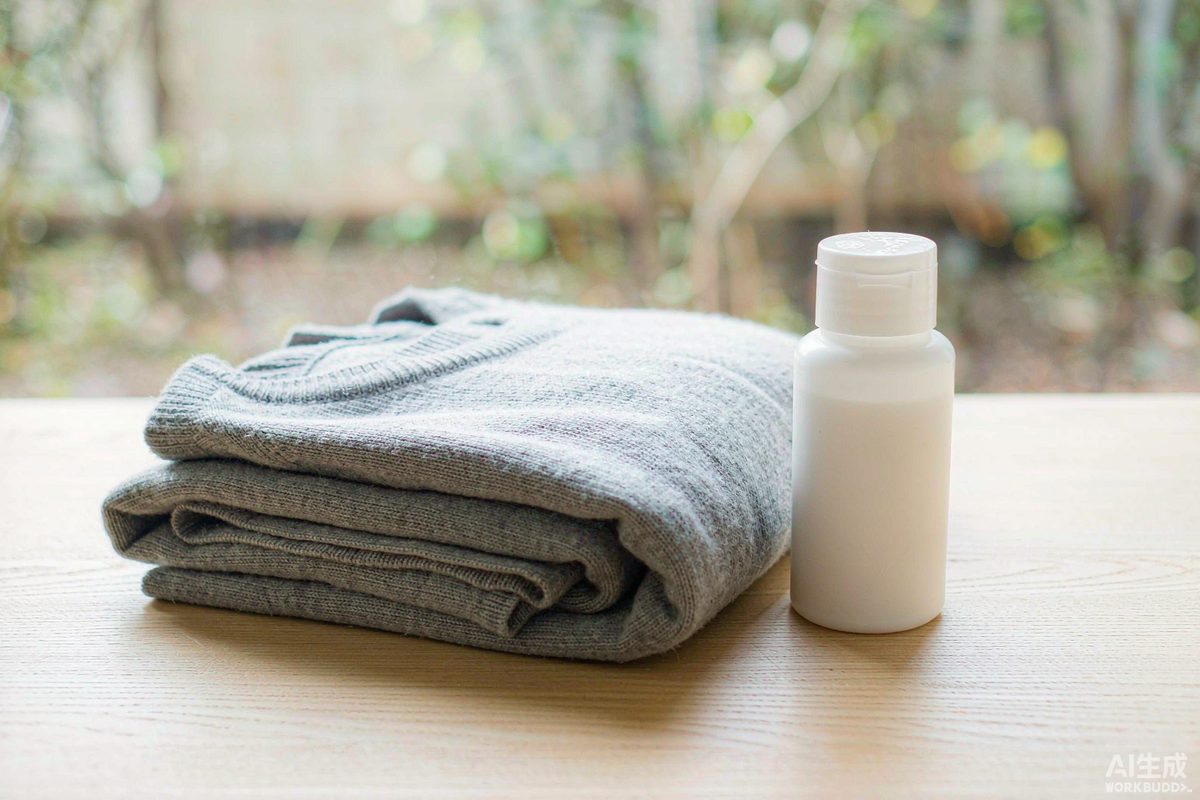
Every fibre behaves differently: the cycle that suits cotton can felt wool.
Question 2: What Detergent Should You Use?
Choose a detergent marked for wool or silk — these are pH-neutral and enzyme-free. Standard detergents often carry enzymes engineered to digest protein-based stains; wool is a protein fibre, so the same enzymes nibble the fibre itself, load after load. A capful is enough; over-dosing leaves residue that dulls the knit's hand feel.
Skip chlorine bleach entirely at any stage of wool washing — it dissolves protein fibres, and there is no dilution level that makes it safe.
Question 3: How Do You Dry a Sweater Without Stretching It?
Flat, always flat. A wet knit can weigh several times its dry weight; hung on a hanger or over a radiator, gravity and heat pull it out of shape — hangers stretch shoulders into points, radiators bake edges stiff. The routine:
- Lift the sweater out and press water out gently with your hands — never wring or twist.
- Roll it inside a dry towel, press once more; the towel takes most of the moisture.
- Lay it flat on a rack or fresh towel at natural size, reshape sleeves and ribs, and let air do the rest — usually overnight, away from direct sun and heaters.
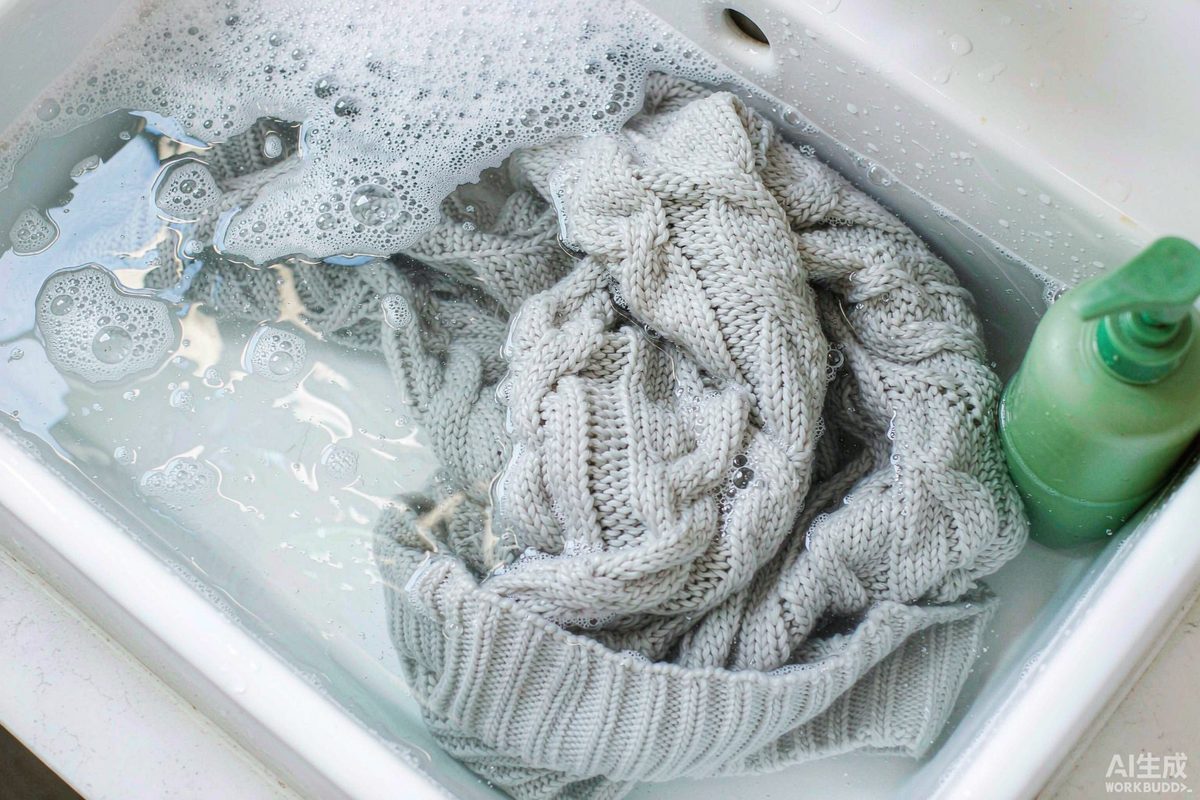
Wool wants patience, not heat: flat-dry overnight and the shape holds.
Question 4: What About Pilling?
Some pilling on a new sweater is chemistry, not defect: short loose fibres work to the surface where the fabric rubs — under armholes, along the side where a bag strap crosses. A cashmere comb or a defuzzer clears them in a minute. Do it early and the surface stabilises; most sweaters pill hardest in their first weeks and calm down after a few washes. Persistent heavy pilling across the whole body usually says more about fibre length and knit tightness than about your laundry technique.
Question 5: How Should You Store Knitwear Between Seasons?
Clean first, fold second, breathe third. Moths target the traces sweat and food leave behind far more than the fibre itself, so a washed sweater is a safer sweater. Fold — never hang — because hanging stretches shoulders over a summer on the rail. Store in a cotton bag or a drawer that gets some air; sealed plastic traps humidity and invites must. A cedar block nearby is a reasonable deterrent layer, though it works best as part of the clean-first rule, not instead of it.
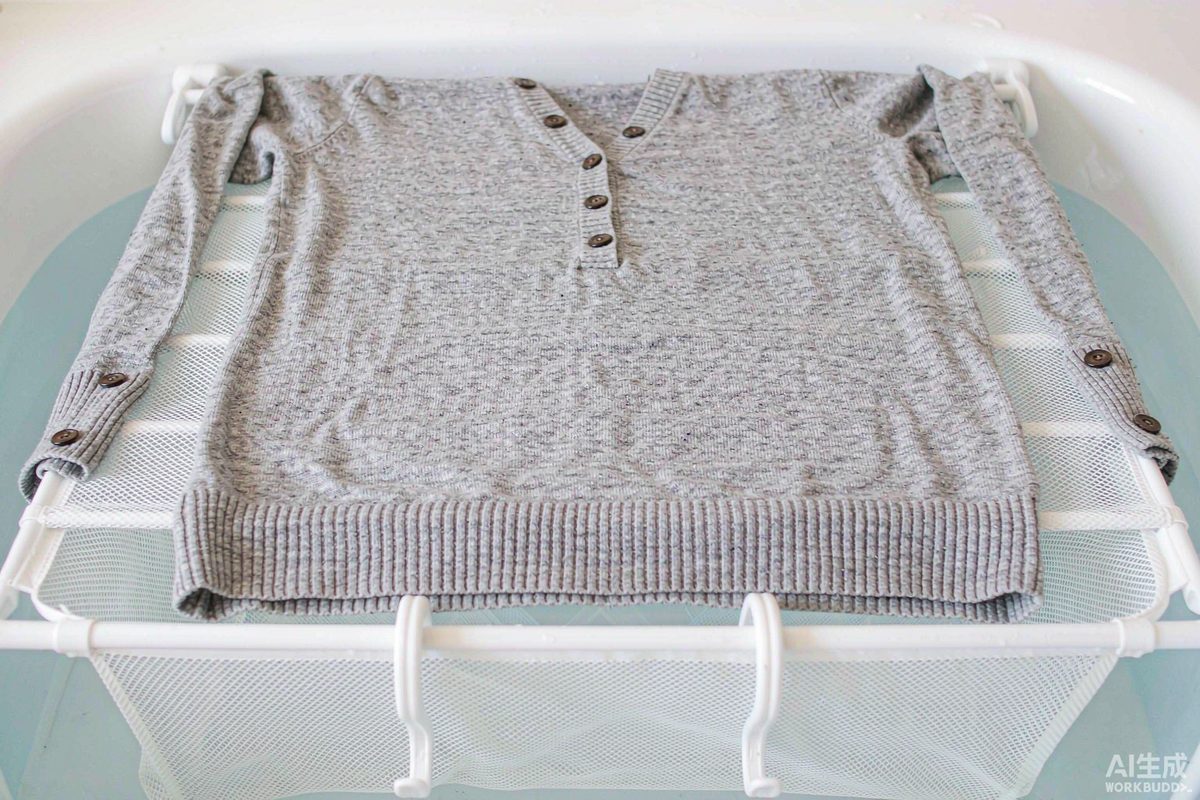
Season to season: washed, folded and breathing — never hung.
The same fibre logic runs through every wool piece you own, from sweaters to heavier outer layers — and it pairs well with the fabric-behaviour comparison in our merino vs fleece vs cotton midlayer guide. For cotton-side care, our seven jacket care tips follow the same discipline. And if you are choosing knitwear rather than maintaining it, the current GorgeousBen range is the natural next stop.
Frequently Asked Questions
Why did my wool sweater shrink — and can I un-shrink it?
Heat plus agitation felted the fibres. Full reversal is not realistic, but while damp, a sweater can sometimes be eased partway back: soak in lukewarm water with a little conditioner, press out water in a towel, then gently stretch to size and flat-dry, repeating as it dries.
Can I use fabric softener on wool?
Better not. Softeners coat fibres to reduce stiffness, but on wool they can reduce breathability and, over time, speed pilling. A proper wool detergent already leaves the knit soft.
How often should wool sweaters be washed?
Far less often than you think: every three to five wears if aired between uses. Wool releases odor naturally; hanging a sweater in fresh air overnight usually resets it. Wash when soiled or after the smell survives an airing.
Is dry cleaning better than machine washing?
For structured wool coats and tailored pieces, yes. For ordinary sweaters, a gentle wool cycle at home is easier on the fibre and on your wallet — frequent solvent cleaning is what leaves knits flat and tired-looking.


