For most men, merino wool is the best single autumn midlayer: it insulates from roughly 10°C down to near freezing, breathes through a commute and resists odor for days between washes. Fleece wins on price and easy machine care; a cotton knit only earns its place as a smart-casual layer in dry, mild weather.
The midlayer is the workhorse of a man's autumn wardrobe — the piece that lives between shirt and jacket for four to five months. Yet most men own it in exactly one fabric, chosen by accident. This comparison puts the three classics side by side on the four criteria that matter: warmth, breathability, care and bulk.
The Job of a Midlayer (and Why Most Men Own the Wrong One)
A midlayer has one job: trap a thin layer of warm air around your body while letting moisture escape. It is not the shell that blocks wind and rain, and it is not the base layer that manages sweat against skin. When a midlayer tries to do everything — thick cotton hoodie under a rain shell, for example — it usually does all three jobs badly: warm but clammy, casual but bulky.
Choosing the right fabric starts with honestly naming your main use: commuting, weekend walks, office-to-dinner, or travel. The fabrics differ far more in how they handle moisture than in how they handle cold.
Warmth: How Each Fabric Traps Heat
Warmth in a midlayer is mostly about loft — how much still air the fabric holds — and how well it keeps that loft when conditions change.
- Merino wool (150–250 gsm knits): fine fibres create millions of tiny air pockets; warmth feels steady rather than stuffy. It also keeps insulating when damp, which is why hillwalkers trust it.
- Polar fleece (100–300 gsm): a brushed synthetic pile that traps air aggressively for its weight. At the same grams, a 200-gsm fleece feels at least as warm as a 200-gsm merino knit — the trade-off appears elsewhere.
- Cotton knits: warm when dry and motionless, but cotton absorbs and holds moisture; a sweat-damp cotton hoodie chills fast in wind. Fine for dry, mild days — the wrong tool for damp cold.
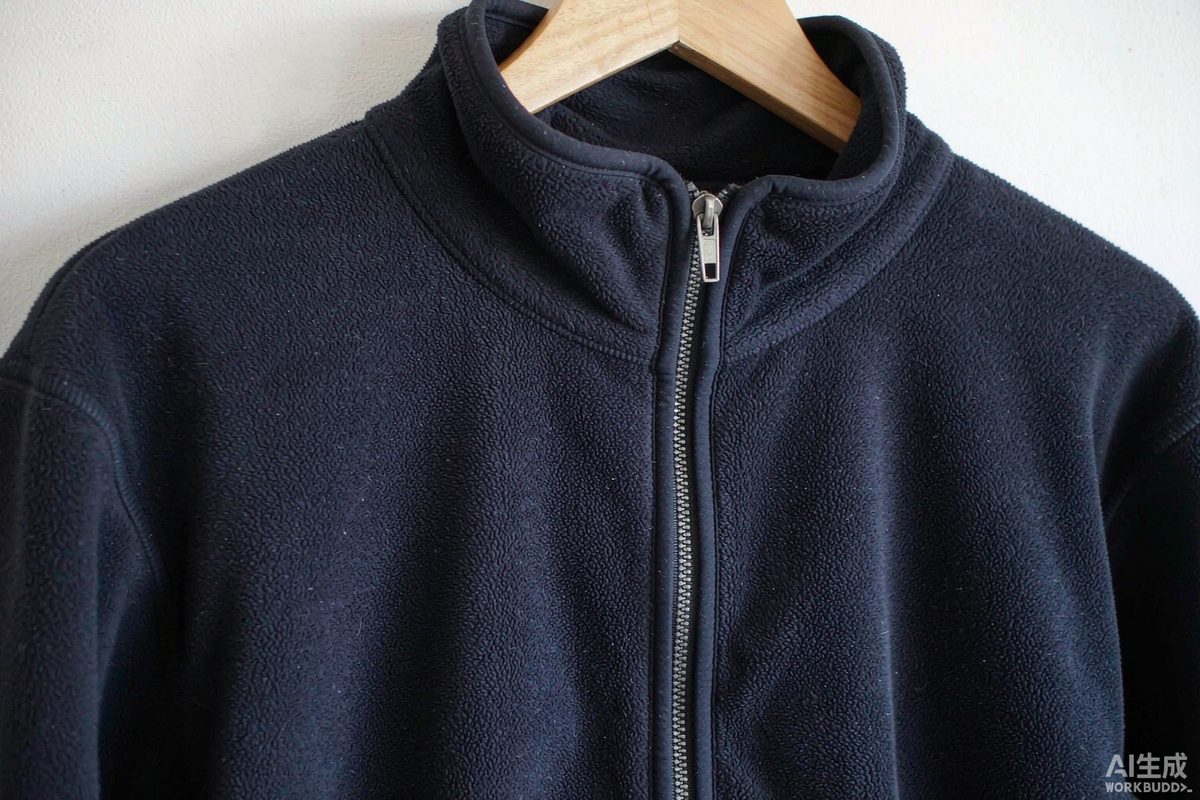
Same warmth, different behaviour: fabric choice is moisture management first.
Breathability and Odor: The Commute Test
Here is where the three fabrics truly separate. Merino moves moisture vapour out while resisting bacteria-driven odor — wear it three or four days in a week of commutes and it still smells neutral. Fleece breathes well but holds odor sooner, so it needs washing more often — trivial at home, annoying on a five-day trip. Cotton absorbs sweat visibly and dries slowly; a brisk walk to the office leaves a damp back and a cold draft once you stop moving.
The commute test in one line: merino for the man who wants to think about his clothes as little as possible; fleece for the man who does not mind washing; cotton for the man whose walk to work is thirty seconds under a roof.
Care and Durability: What a Season of Real Wear Looks Like
Fleece is the forgiveness champion: machine wash warm, tumble low, no drama, though cheap fleece pills and loses loft after a season of hard wear. Cotton knits are equally low-maintenance and shrink-resistant if pre-shrunk, but they age by stretching at collar and cuffs. Merino demands the most respect — a wool cycle at 30°C and flat drying — and rewards it with years of service, because fine merino fibres bounce back instead of creasing permanently.
If you are building a knitwear rotation this autumn, the care rules are simple enough to follow for years — the same flat-dry, low-heat discipline that doubles the life of a cotton jacket, which we cover step by step in our jacket care guide.
Bulk Under a Shell: The Fit That Decides Everything
A midlayer fails visually when it turns a tailored jacket into a straitjacket. Cotton knits are the bulkiest of the three at equal warmth. Fleece compresses reasonably and packs light for its warmth — a travel favourite. Merino knits drape closest to the body, which is why they disappear under shells and blazers alike.
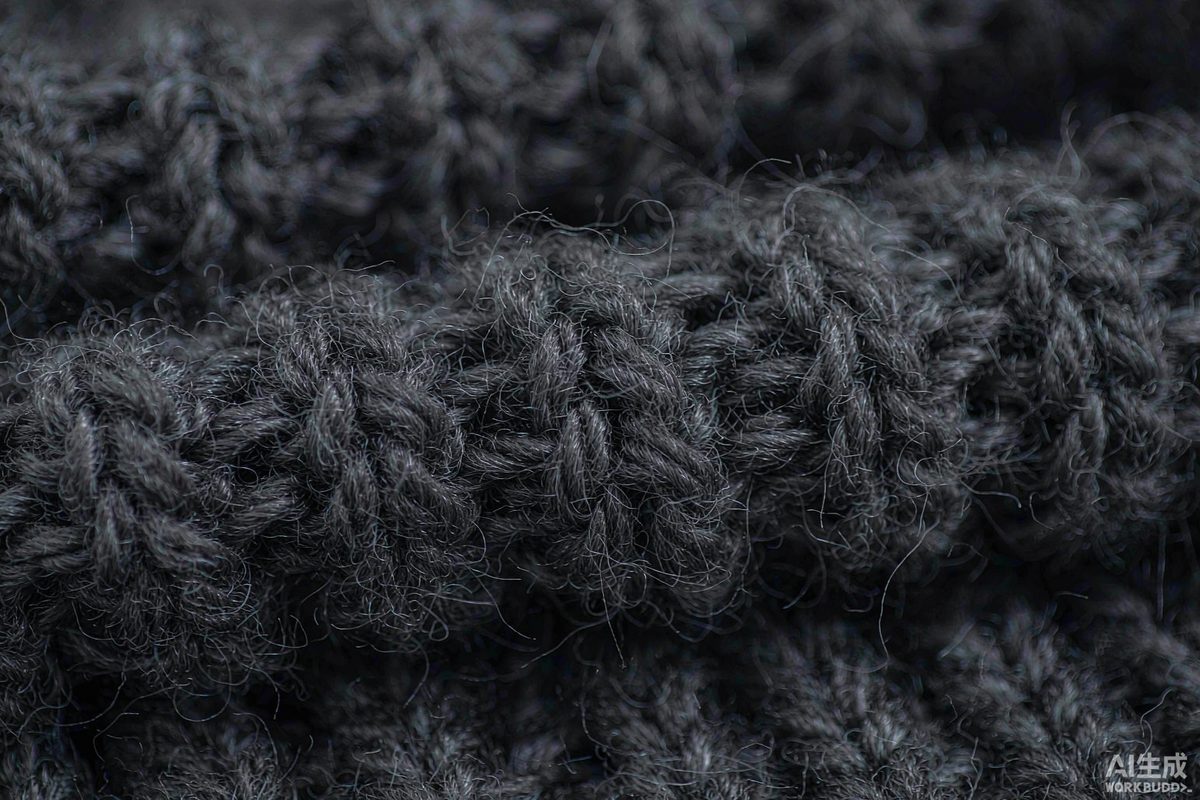
The goal: a midlayer that adds warmth without adding silhouette.
Pairing matters as much as fabric. A slim merino knit under an unstructured jacket reads office-ready; a fleece under the same jacket reads weekend — both work, but on purpose. For jacket-first outfit formulas that already solve this pairing, see our bomber jacket outfit guide, and for matching the trousers side of the equation, the chinos fit and fabric guide covers it end to end.
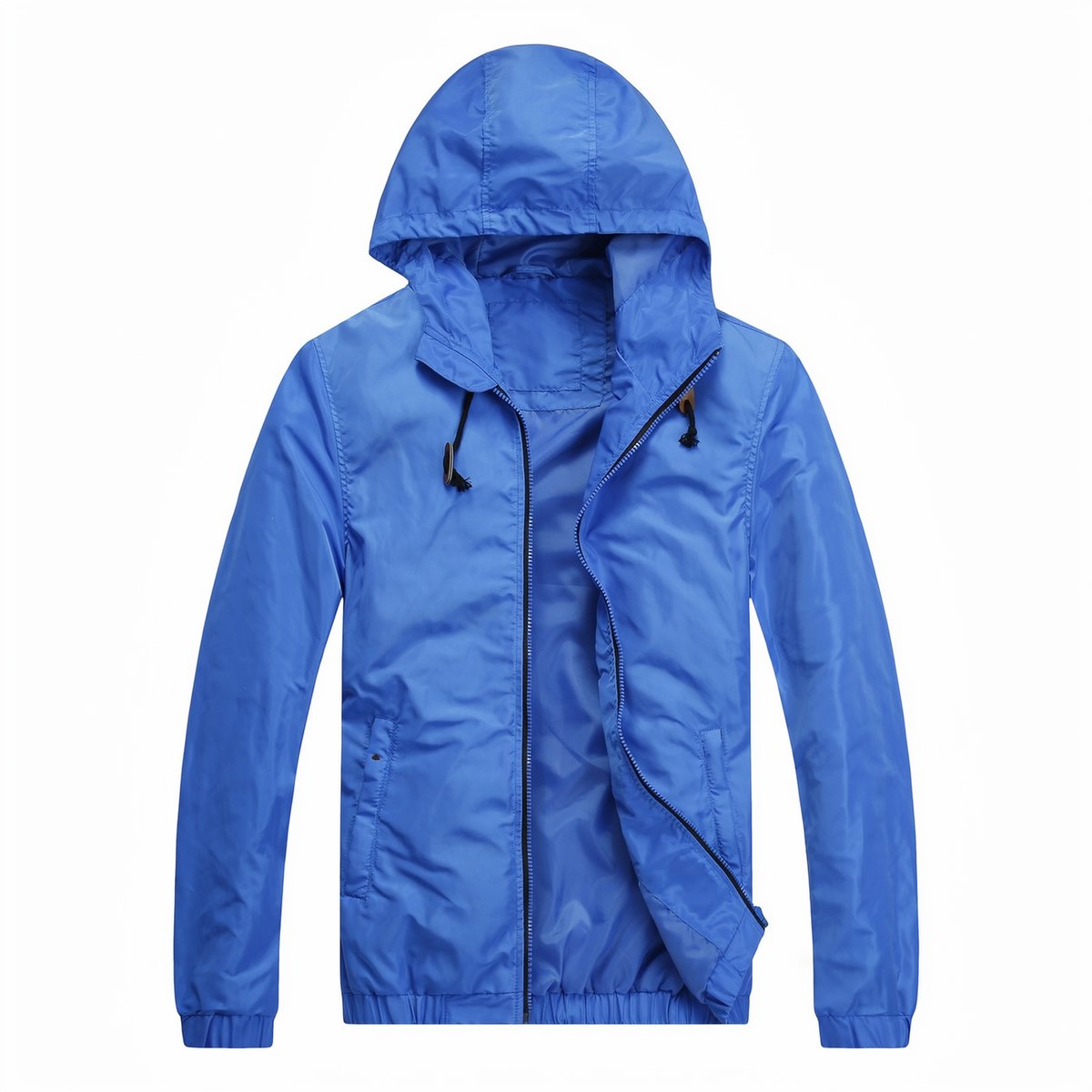
Proportions first: the midlayer should shape the outfit, not widen it.
Quick Comparison: Which Midlayer for Which Week
| Criterion |
Merino |
Fleece |
Cotton knit |
| Warmth at weight |
High, steady when damp |
High when dry |
Drops fast when damp |
| Odor resistance |
Excellent, days of wear |
Moderate |
Low |
| Care effort |
Wool cycle, flat dry |
Machine, tumble low |
Machine, easy |
| Bulk under jacket |
Lowest |
Medium |
Highest |
| Best for |
Commute + travel all-rounder |
Weekends, dog walks, budget |
Office-casual, dry mild days |
One practical note for buyers sourcing any of these categories: the fabric behaviours above are exactly why factories knit merino-blend and fleece bodies differently — gauge, washing finish and lining choices all follow the fibre. If you are building a midlayer line for your own brand, the GorgeousBen product range shows the knit structures behind each option.
Frequently Asked Questions
Which midlayer is warmest for its weight?
At equal grams per square metre, a quality fleece and a merino knit are close; merino keeps its advantage when damp or active, fleece keeps its on dry, still days. Cotton trails both once moisture appears.
Does merino wool itch?
Fine merino fibres are far thinner than coarse wool — commonly under 19.5 microns — which is why quality merino knits feel soft rather than prickly. If a "merino" sweater itches strongly, check the fibre content first.
How should a midlayer fit under a jacket?
Close to the body without pulling at the buttons: you should fit a base layer under it and a shell over it with no pressure at the shoulders. Size up once if the jacket needs to close over a knit.
Is fleece or merino better for hiking?
For stop-start hiking with sweat bursts, merino's damp-state warmth and odor resistance win; for low-output, high-abrasion use on a budget, fleece is the sensible pick. Many hikers carry one of each across seasons.


