Once a deposit clears, a 500-unit hoodie order typically passes through nine production stages in 45–60 days: material booking, pre-production sampling, fabric relaxation, cutting, sewing, inline QC, finishing, final inspection and packing. Knowing that sequence — and what each stage quietly decides about your final quality — is what separates a smooth reorder from a costly delay.
Most buyers see only two moments: the payment and the shipment. Everything in between happens on the factory floor. In this walkthrough, GorgeousBen follows one real order shape — a mid-size hoodie reorder — through the floor, stage by stage, so you know exactly where your garment money goes and where to focus your attention as a buyer.
Day 0: Materials Are Booked Before the Deposit Even Lands
By the time a purchase order is signed, a serious factory has usually held fabric and trim capacity for two to three weeks already. Yarn-dyed and imported fabrics often need booking before cutting, because mills weave to order, not to stock. This is why a factory that answers "yes, no problem" instantly is sometimes a warning sign — real material lead times are exactly why overall clothing manufacturing lead time figures rarely beat 30 days for woven garments.
For the hoodie in this walkthrough, the sequence was: fleece body fabric booked from a long-term mill, rib cuffs and waistbands reserved, drawcords and metal-free trims confirmed against the tech pack contents. Nothing dramatic happened on Day 0 — and that is the point. Quiet preparation is what keeps the next eight stages on schedule.
Week 1: The Pre-Production Sample Sets the Standard
Before bulk cutting, the line runs one final reference garment: the pre-production (PP) sample. It is sewn on the same machines, with the bulk fabric, at sewing-line speed — not in a sample room with unlimited time. The buyer or merchandiser signs off on measurements, stitch density, label placement and wash feel. From that moment, the PP sample becomes the physical contract: every operator down the line judges their work against it.
Buyers who skip or rush PP-sample review usually discover their disagreement later — on 500 finished pieces, where it costs the most. Twenty minutes spent checking one sample is the cheapest quality insurance in the whole garment production process.
Days 7–10: Fabric Relaxation — The Step Most Buyers Never Hear About
Knitted fleece arrives from the mill under tension. If you cut it immediately, it shrinks after garment assembly instead — and the finished hoodie measures short. So the rolls rest on racks for 24–72 hours to relax back to natural width. No machines run, no photos get taken, yet this stillness decides whether your size chart holds true after one wash.
When a supplier quotes an implausibly short production window, relaxation time is one of the first hidden steps to be sacrificed. Ask about it explicitly — factories that volunteer their relaxation window are usually factories that respect the full process.
The Cutting Table: Where Fabric Money Is Won or Lost
Fabric is the single largest cost in most garments — commonly 40–50% of FOB price — so the cutting table is where margins are protected. Layers of relaxed fabric are spread by machine into long lays, the marker (a cutting plan) is positioned to squeeze yield from every centimetre, and an automated or straight-knife cutter slices hundreds of panels at once.
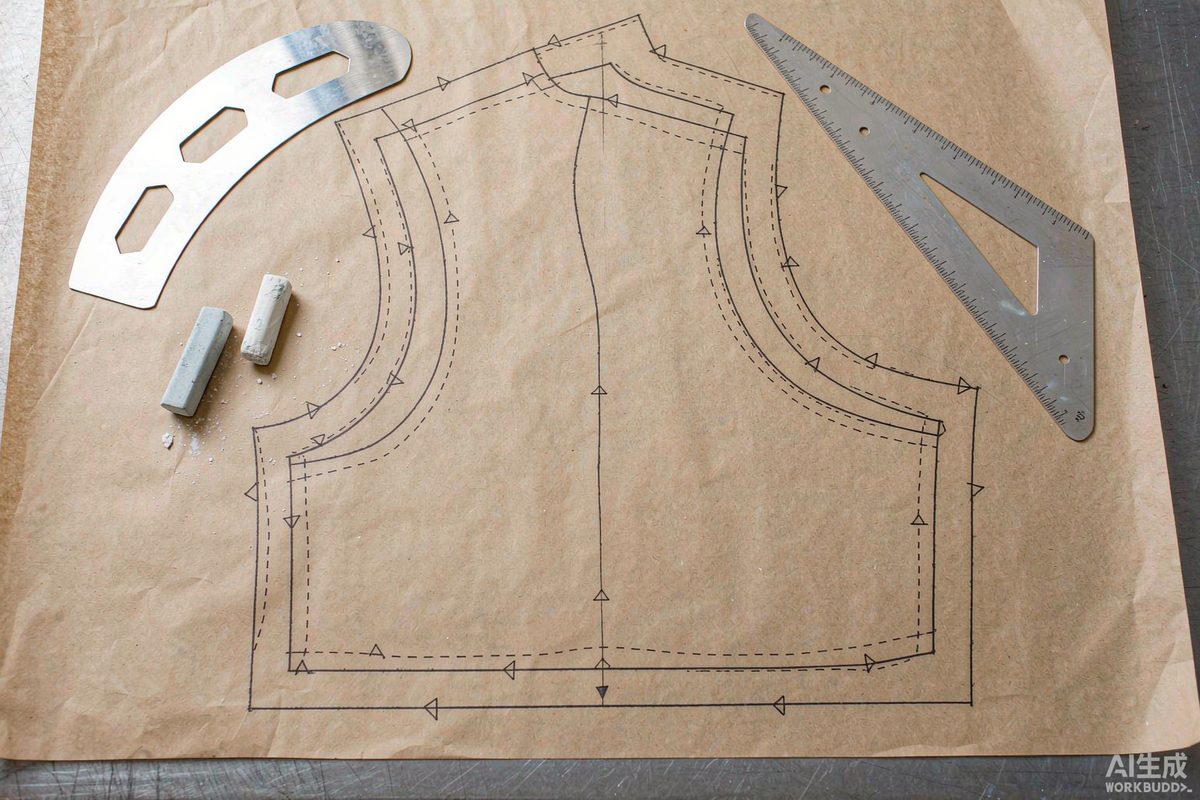
Spreading and cutting: hundreds of identical panels from one aligned lay.
Cutters bundle panels by size and ticket number so that matching pieces meet again at the same sewing station — shade-matched, grain-aligned. A one-millimetre cutting error multiplies across a lay of 60 plies; precision here is not perfectionism, it is arithmetic.
Sewing Lines and the Rhythm of Inline QC
Cut bundles flow to modular sewing lines, each operator repeating one operation thousands of times over the order's life: attach cuff, close side seam, set hood. Speed comes from repetition; quality comes from checkpoints threaded through the line, not from one inspection at the end. That is the logic of inline QC checkpoints — catching a twisted seam at piece 40 instead of piece 400.
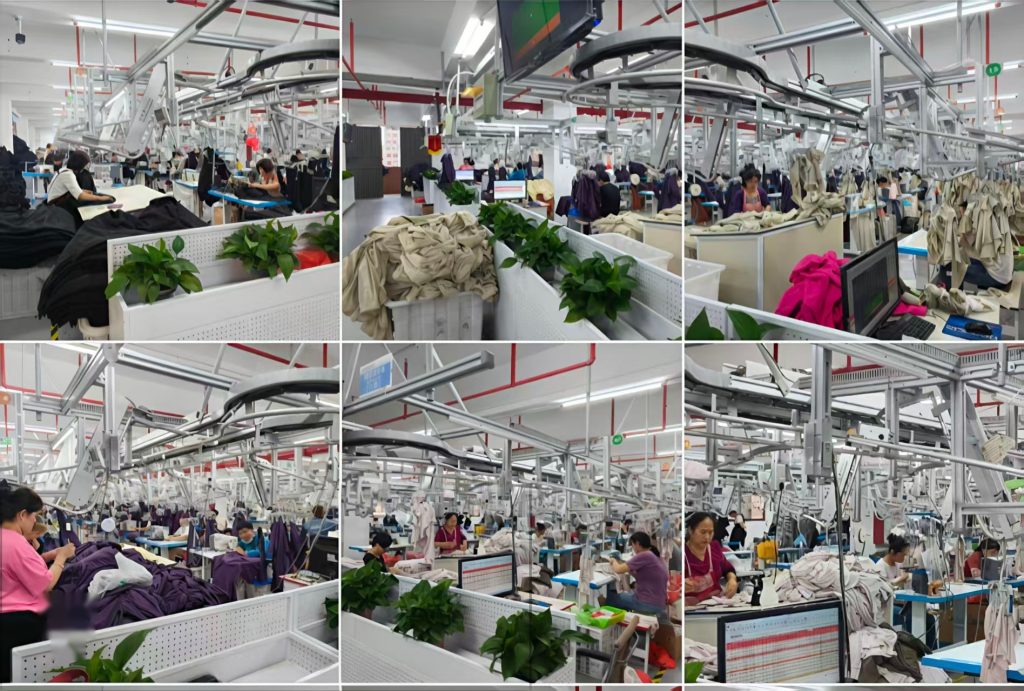
Sewing floor: bundles move station to station; inspectors audit mid-line.
On a healthy line, a roving inspector pulls finished pieces from every operator each hour, measures them against the PP sample and logs defect codes. The line supervisor rebalances work the same day. Buyers reviewing a factory should ask to see this log — a real one is messy, dated and specific.
Finishing: Trimming, Pressing and the Quiet Needle Check
After sewing, garments are trimmed of loose threads, pressed to shape, and checked for hardware integrity — drawcord tips secured, eyelets clean, any broken-needle fragments hunted with metal detectors and a strict needle-control policy. Labels go on last: brand, care, size, country of origin, each matched to the buyer's approved artwork. Nothing here is glamorous, and everything is visible on the shelf.
Packing and Ex-Factory: Handing Off to Freight
Final random inspection samples finished cartons against an agreed AQL level; only a pass releases the order to packing. Pieces go into polybags with size stickers, then into cartons laid out to a packing plan that balances cube, weight and — if the cartons were specified correctly — container loadability. Buyers who want fewer surprises at the port should read our breakdown of apparel export carton specifications before the order ships, not after.
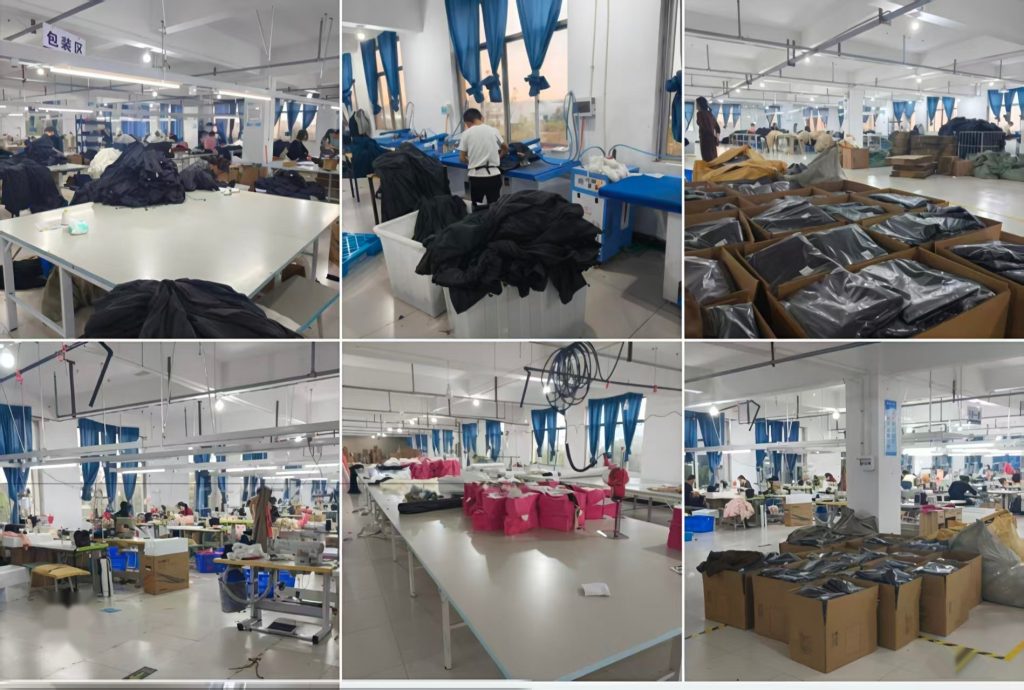
Ex-factory day: cartons sealed, counts verified, documents raised.
The balance payment clears, the freight forwarder collects, and the order you first imagined at the deposit stage becomes a sealed stack of cartons with your name on the shipping mark.
Where a Buyer Should Actually Pay Attention
Nine stages, but three leverage points matter most:
- PP sample approval — the single cheapest moment to fix anything.
- Inline QC access — ask for mid-production photos or a third-party check around 40% completion.
- Packing specification — set carton, bag and marking standards in writing before bulk starts.
Factories that welcome attention at these three points have nothing to hide. At GorgeousBen, buyers in 47 countries run exactly this loop with our merchandising team — and the product range behind it is open for review any working day.
Frequently Asked Questions
How long does bulk production take after the deposit?
For mid-size knitwear and hoodie orders, 45–60 days from deposit to ex-factory is a realistic planning window, including 7–14 days of material booking and sampling before bulk cutting begins.
When is the balance payment due?
The common structure is 30% deposit with the PO and 70% balance against shipping documents — typically before the goods leave the factory or against a copy of the bill of lading, depending on the agreed payment terms.
Can buyers visit the floor during production?
Yes, and a mid-production visit around 40–50% completion is the most useful one: cutting is done, sewing is visible, and there is still time to correct anything before finishing.
What happens if inline QC finds defects?
Affected pieces are repaired or replaced on the line the same day, the defect code is logged, and the sewing operation that caused it gets a targeted re-brief. Persistent defects trigger a line stop until the root cause is fixed.


