Trims in garment manufacturing are every component that is not the main fabric: zippers, buttons, snaps, thread, interlining, woven and care labels, hangtags and packing. They are bought to millimetre specs — a 24L button measures 15.2 mm, a #5 zipper coil 5 mm — and per unit they generate more claim disputes than the cloth they are sewn onto.
Fabric gets a week of courier swatches; the trim list is often approved in ten minutes from a PDF, and the second order arrives with buttons a shade off or a zipper pull that snaps. GorgeousBen manufactures menswear in Shishi, Fujian, with more than 20 years of OEM and ODM experience across buyers in 47 countries, and the pattern is consistent: no written spec, no inspection.
What Counts as a Trim (and What Does Not)
The working boundary is simple: cloth bought by the metre from a mill is fabric, everything sewn on, fused in or attached to the finished garment is a trim. Lining sits with fabric because it is ordered by the metre; fusible interlining sits with trims because it is bought by weight. The boundary matters for cost as much as quality, because trims are priced per piece or per gross and are the easiest quotation line to under-specify. GorgeousBen's breakdown of hidden costs in garment manufacturing shows how trim upgrades move the FOB price.
| Trim family |
Typical items |
How it fails in bulk |
| Closures |
Zippers, buttons, snaps, eyelets |
Shade drift between lots, slider failure, sharp edges |
| Thread |
Sewing and topstitch thread, elastic, drawcord |
Shade mismatch on dark ground, seam grin, breakage |
| Structure |
Interlining, tape, canvas, shoulder pads |
Bubbling after fusing, boardy hand, shrinkage |
| Branding |
Woven label, care label, size label, hangtag |
Artwork error, wrong care wording, off-centre placement |
| Packing |
Polybag, sticker, tissue, carton, security tag |
Missing warning text, carton mark errors, count short |
Most of these failures are documentation failures, not manufacturing failures. A factory can sew a perfect seam and still ship a claim if batch three's buttons came from a different dye lot than batch one.
Why Trims Break Orders More Often Than Fabric
Fabric has an inspection culture — roll checks, shade bands, four-point scoring — because everyone knows cloth is variable. Trims arrive sealed and get trusted. Three failures repeat:
- Colour drift between lots. Button and thread suppliers dye in small batches and rarely reserve a lot for a reorder, so two orders eight weeks apart can differ visibly when garments hang side by side.
- Mechanical failure in wear. A zipper that opens cleanly in the sample room can shed teeth after twenty wears. Stitch density matters: 8 to 12 stitches per inch on a woven seam, tape caught in the allowance.
- Count short at the line. Trims are consumed per piece and bought in gross, so a two per cent shortfall stays invisible until the last carton — and re-ordering a dyed-to-match item adds weeks.
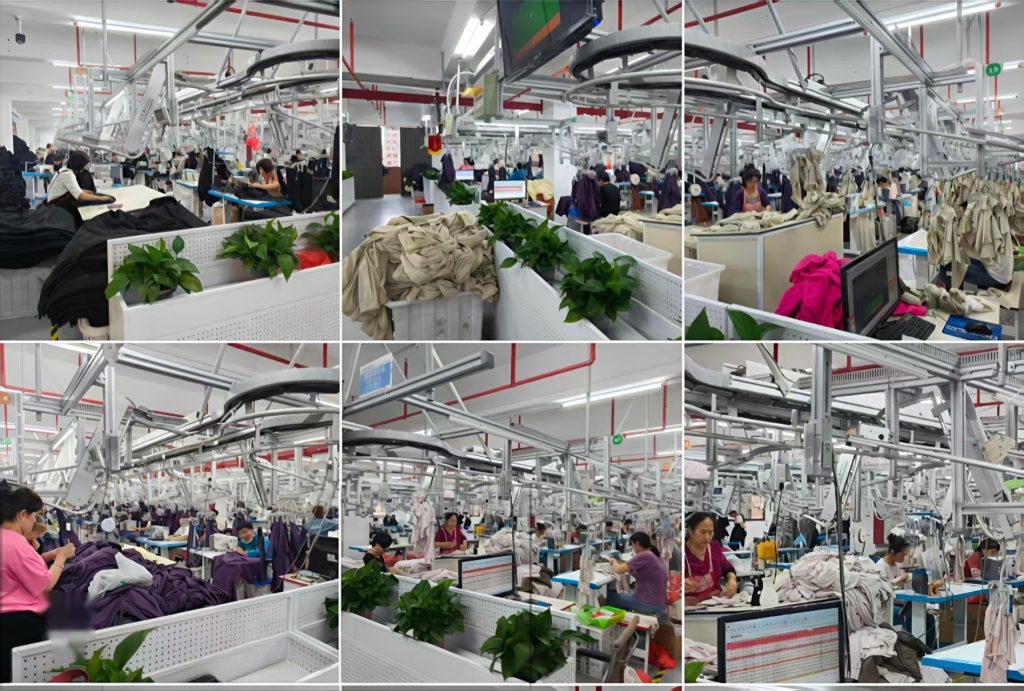
Thread and stitch density are trims too: the seam is only as good as the ticket number behind it.
The Trim Card: The Document That Prevents Most Disputes
A trim card is the written and physical record of every trim on a style, built before bulk starts and signed by the buyer. It is the cheapest risk control in a program, and the document most often missing when a claim lands. Eight fields per trim:
- Trim reference and photograph, numbered to the style sheet.
- Supplier name and article number.
- Composition, including metal type and coating.
- Size in the trade unit: ligne, zipper number, thread ticket.
- Colour standard as a Pantone TCX reference plus a sealed physical swatch.
- Placement, stitch type and stitches per attachment.
- Consumption per garment, so trims can be ordered and counted.
- Test or regulatory requirement the trim must pass.
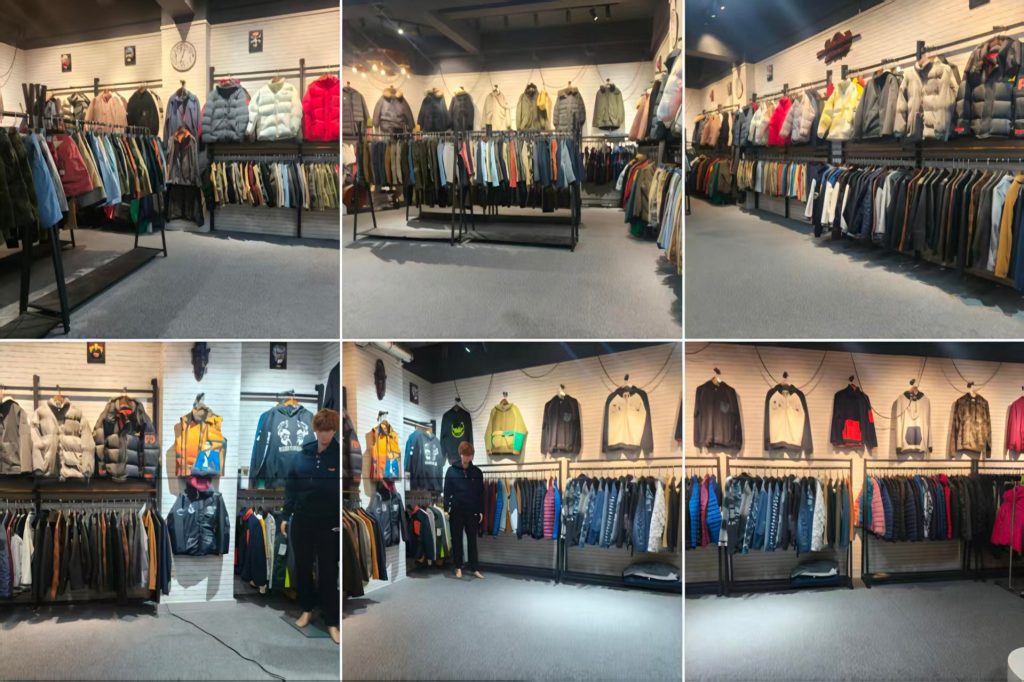
Approval has to happen on a physical swatch, in daylight, with a signature behind it.
One rule outranks the rest: never approve a trim from a photograph. Screens shift colour and catalogue images are retouched. Approve a sealed physical swatch, keep one copy at the factory and one with the buyer, and write the lot number on the bag.
Zippers, Buttons and Thread: The Specs Buyers Forget
Most trim disputes trace back to a spec that was named loosely. Four items carry the risk:
- Zippers. Size (#3, #5, #8) sets the teeth width, and the type — nylon coil, moulded plastic, metal — sets both cost and character. Name tape colour separately from teeth colour, name the slider finish instead of saying "gunmetal", and state finished length including the pull. Metal worn against skin also falls under nickel-release rules such as REACH Annex XVII, and children's products carry separate lead limits.
- Buttons. Buttons are sized in ligne, where 1L equals 0.635 mm: 18L is 11.4 mm, 20L is 12.7 mm, 24L is 15.2 mm. Name the hole count, rim profile and back type. Corozo and horn vary in shade by nature, so accept that variation in writing or move to a synthetic.
- Thread. Specify thread by ticket number or Tex, not by "black". A core-spun polyester near Tex 40 is the workhorse on woven seams, with a heavier ticket for topstitching. Insist the order runs on one dye lot, and check it against the fabric in daylight — a black thread on a black ground is where shade differences show first.
- Interlining. Weight in gsm, shrinkage after fusing and adhesive type decide whether a placket stays flat or bubbles after ten washes. Fusing temperature and pressure belong on the card too.
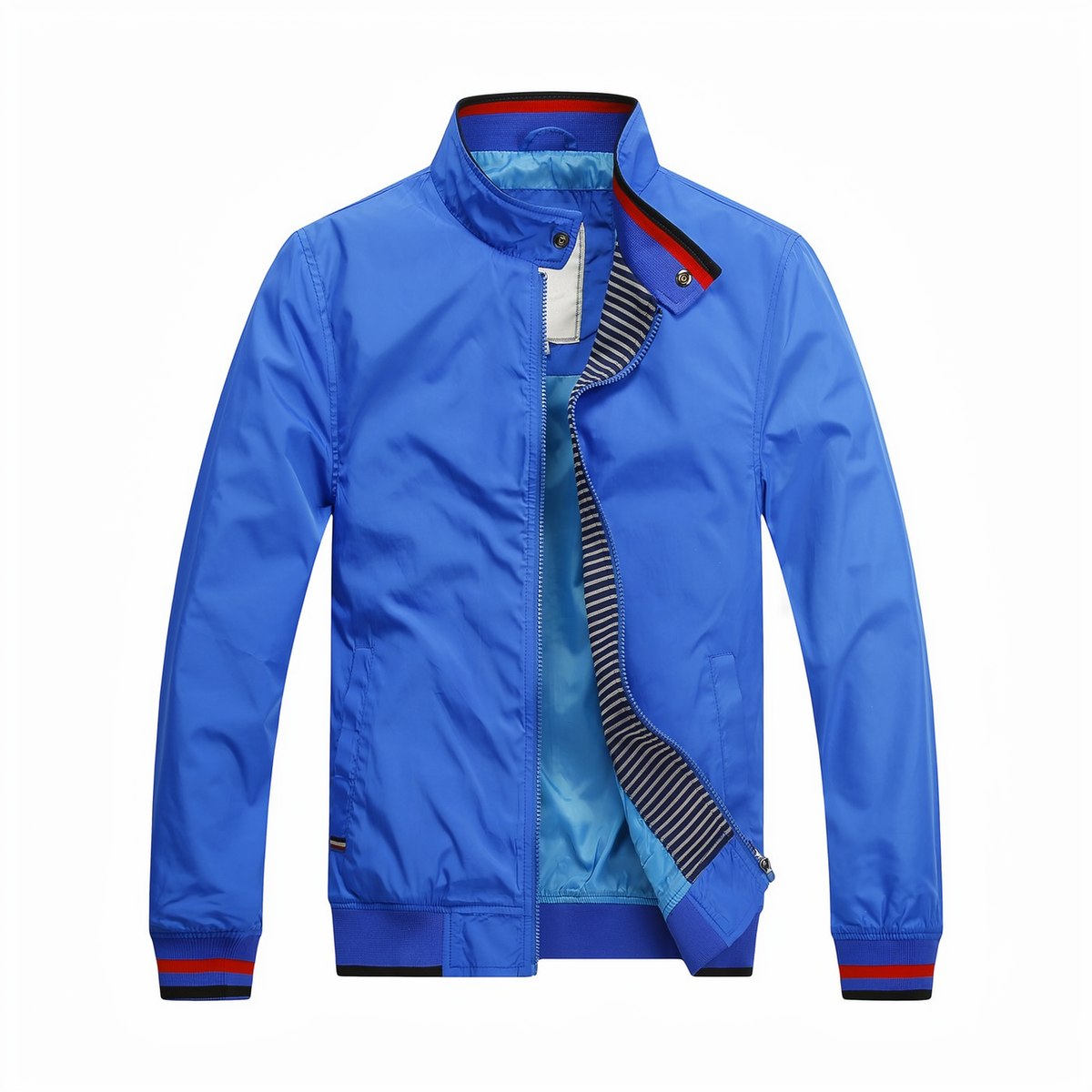
Every closure, stitch line and label on this front was specified as a separate trim line.
Trim Lead Time Decides the Cutting Date
Buyers plan around fabric, then discover the trims are the long pole. Stock hardware moves in days; dyed-to-match tape, engraved buttons, custom woven labels and printed hangtags move in weeks. Labels are usually slowest, because artwork and care wording pass through the buyer's own review before the mill can weave.
The practical rule is that trims should be approved and in-house before the cutting table starts. A factory that cuts panels while waiting for labels has committed the cloth and quoted a date with nothing left to ship. GorgeousBen's note on why the lowest quote rarely stays the lowest covers the same arithmetic from the buyer's side.
How GorgeousBen Manages Trims
GorgeousBen builds a trim card before sampling, so the first sample already carries the trims the bulk order will use, and the buyer approves hardware, thread and labels on a physical board rather than in a PDF. Core trims are held in stock so a repeat order does not wait on a supplier, and trims are counted on receipt against the consumption sheet. Without a written standard, inspection can only produce a guess: the guide to AQL inspection sampling plans explains how acceptance numbers work, and the tech pack checklist shows where the trim list sits in the documents a factory quotes from.
Frequently Asked Questions
What are trims in garment manufacturing?
Trims are all the components of a garment other than the main fabric: zippers, buttons, snaps, thread, interlining, elastic, labels, hangtags and packing. They are ordered by piece, gross or roll, and priced in trade units such as ligne for buttons. Trims are usually the smallest line in a quotation by value and the largest by claim frequency.
What is the difference between trims and accessories?
Factory use overlaps the two. Trims are components sewn into or attached to the garment itself: closures, thread, interlining, labels. Accessories usually means items that complete the product without forming part of its construction, such as belts, spare buttons in a polybag, hangers or gift packaging. Ask for the itemised list rather than the category name.
Who should approve trims, the buyer or the factory?
The buyer approves, the factory specifies. The factory proposes the card with references, sizes, colour standards and test requirements; the buyer signs the physical swatch board. Letting the factory approve on the buyer's behalf is how a style ships with a button the buyer never chose.
How early should trims be ordered for a bulk order?
Before cutting starts, without exception. Stock trims book in days, but dyed-to-match tape, engraved buttons and custom woven labels take weeks, and artwork approval sits with the buyer rather than the factory. Where a date is tight, approve labels and hardware at sample stage so bulk trims can be ordered the day the PO is confirmed.
Send the Trim List With the Tech Pack
The fastest way to avoid trim claims is to send the trim list with the tech pack, in writing, with supplier references and physical swatches attached. GorgeousBen manufactures menswear on its own cutting, sewing and packing floors in Shishi, Fujian — cargo pants as the flagship category, plus jackets, chinos, shorts and shirting — and quotes with trims itemised rather than bundled. Buyers can review the GorgeousBen product catalogue and contact the team with a style sheet, target quantity and delivery window to receive a trim card and a quotation built from it.


