Five core export documents travel with every garment shipment — the commercial invoice, packing list, bill of lading, certificate of origin and, when the trade term requires it, an insurance certificate. One mismatch among them is enough for customs to hold a container for days, so the cheapest inspection a buyer can run happens before the truck leaves the factory.
Garments rarely get stuck at the border because of the garments themselves. They get stuck because two documents disagree: the packing list says 84 cartons, the bill of lading says 82; the invoice describes "men's trousers" while the declaration uses a different code. GorgeousBen, a menswear manufacturer in Shishi, Fujian shipping wholesale orders to buyers in 47 countries, prepares a document set for every container it books. This guide explains what that set contains and what buyers should check before shipment.
Why Export Documents Decide How Fast Garments Move
Customs authorities do not inspect a shipment against the physical goods first; they inspect it against its documents. Officers compare the invoice, packing list, transport document and declaration line by line, and any inconsistency is a reason to open cartons, question values or request extra papers. Every step costs days — and for apparel, where retail calendars are fixed, a one-week delay can matter more than a one-dollar price gap.
The Five Core Documents in an Apparel Shipment
Regardless of destination or transport mode, most garment orders move on these five documents. The exact set varies with the market and the trade term, but this table is the common backbone:
| Document |
What it proves |
Who issues it |
| Commercial invoice |
Value and description of the goods, on which duty is assessed |
The exporter (factory) |
| Packing list |
How the goods are packed, carton by carton |
The exporter (factory) |
| Bill of lading (B/L) |
Receipt of the goods and the contract of carriage |
Carrier or freight forwarder |
| Certificate of origin (CO) |
Where the goods were manufactured |
A chamber of commerce, e.g. CCPIT in China |
| Insurance certificate |
The goods are covered in transit |
An insurer, when the Incoterm requires it (CIF/CIP) |
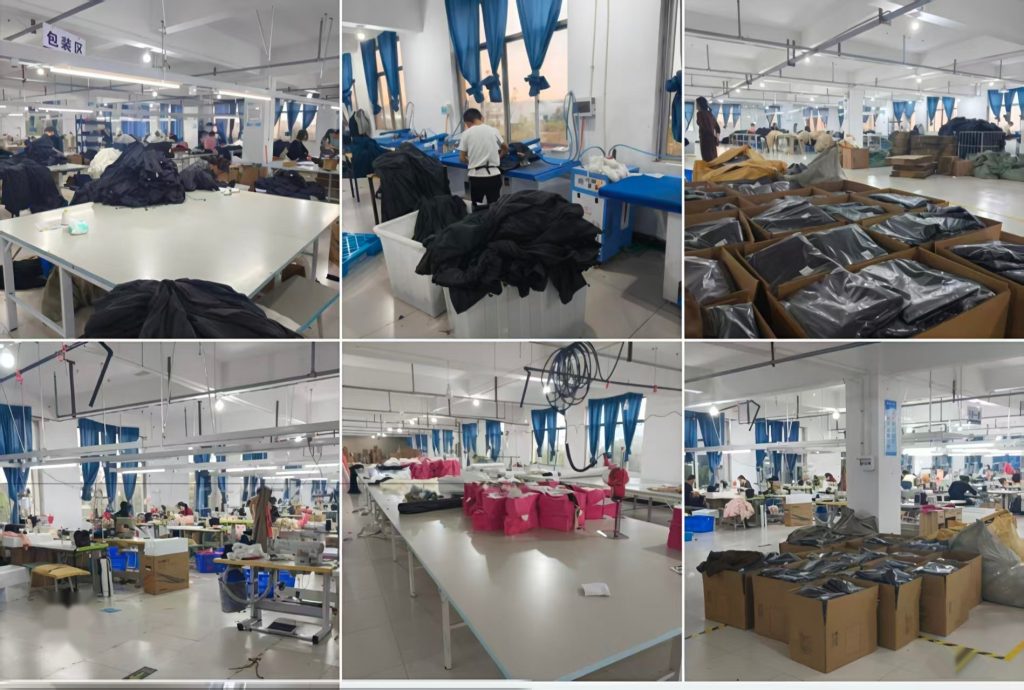
Export cartons at the GorgeousBen packing area — every line on the packing list maps to a carton like these.
The Commercial Invoice: Fields Customs Actually Check
The commercial invoice is the document customs values the shipment from, and banks read it when payment moves. A complete invoice for apparel exports states, as common practice:
- Exporter and buyer details — full legal names and addresses, matching the contract or letter of credit.
- Invoice number and date — referenced by every other document in the set.
- Goods description and HS code per line — "men's woven cargo trousers of cotton, HS 6203.42" beats "garments" every time.
- Quantities, unit prices and totals in one currency, with the Incoterm and named port, e.g. FOB Shenzhen.
- Country of origin — which the certificate of origin must support.
The Incoterm printed on the invoice is more than a label: it decides who arranges transport, insurance and import clearance. For a refresher on how that responsibility shifts between FOB, EXW and DDP, see the apparel shipping terms comparison.
Packing List vs Commercial Invoice: Two Different Questions
The two documents look similar and answer different questions. The invoice asks what is this shipment worth? — it carries prices. The packing list asks what is physically inside each carton? — it never shows prices, but it details carton numbers, pieces per carton, style and colour breakdowns, net and gross weights, carton dimensions and shipping marks. Inspectors spot-checking a container open it first; so does a receiving warehouse. A packing list that disagrees with the carton count on the bill of lading is one of the most common — and most avoidable — causes of port delays. Carton-level rules behind the list are covered in the apparel packaging compliance guide.
Certificate of Origin: The Document That Can Cut Your Duty
A certificate of origin is a short document with two very different versions. A non-preferential CO simply states the goods were made in China. A preferential CO — issued under agreements such as RCEP — can qualify the shipment for reduced or zero tariff where the destination still grants preference for the HS code. Three points matter: confirm early which version the destination needs, because preferential certificates are hard to arrange retroactively; expect the issuing chamber to check that invoice, B/L and CO tell the same story; and keep the paper original safe, since many customs offices still require it at clearance. Which documents cut duty is a tariff question, covered in the US sourcing strategy guide.

Origin certificates trace garments back to production lines like this one at GorgeousBen.
Extra Documents Certain Orders Demand
Beyond the core five, three situations add paperwork. First, a letter of credit turns the shipment into a documents game: banks pay against papers, not trousers, and any deviation from the L/C's stated documents can block payment — see the apparel payment terms guide. Second, CIF and CIP shipments require an insurance certificate issued before loading. Third, some markets and carriers ask for extras: a fumigation certificate when wooden pallets or crating are used, import permits for certain textile categories, or destination-specific declarations. Ask before booking what the destination market adds — an experienced exporter answers from memory.
Five Mistakes That Trigger Customs Delays
- HS codes that drift between documents. The code on the invoice must match the declaration and the CO; "close enough" codes invite inspection.
- Quantity or weight mismatches. Carton totals must agree across packing list, B/L and declaration.
- Consignee inconsistencies. A different buyer name or address on the B/L than on the invoice confuses clearance agents.
- Vague goods descriptions. "Garments, assorted" gives customs nothing to classify; specifics clear faster.
- Missing originals. Some destinations still require the paper CO or signed invoice; a courier delay becomes a port delay.
A Pre-Shipment Document Checklist for Buyers
Buyers do not issue the documents, but they sign off on them. Run this seven-point check before the container is stuffed — ten minutes that prevent most of the delays above:
- Same consignee, port and Incoterm on every document in the set.
- HS codes match the goods description line by line.
- Carton totals agree across packing list, bill of lading and declaration.
- One currency, re-checked totals — unit price × quantity = line total, lines sum to grand total.
- CO type matches the destination's preference rules and the goods' origin.
- L/C conditions met (if applicable): latest shipment date, expiry, document list.
- Full copies e-mailed to buyer and forwarder before the vessel's departure.
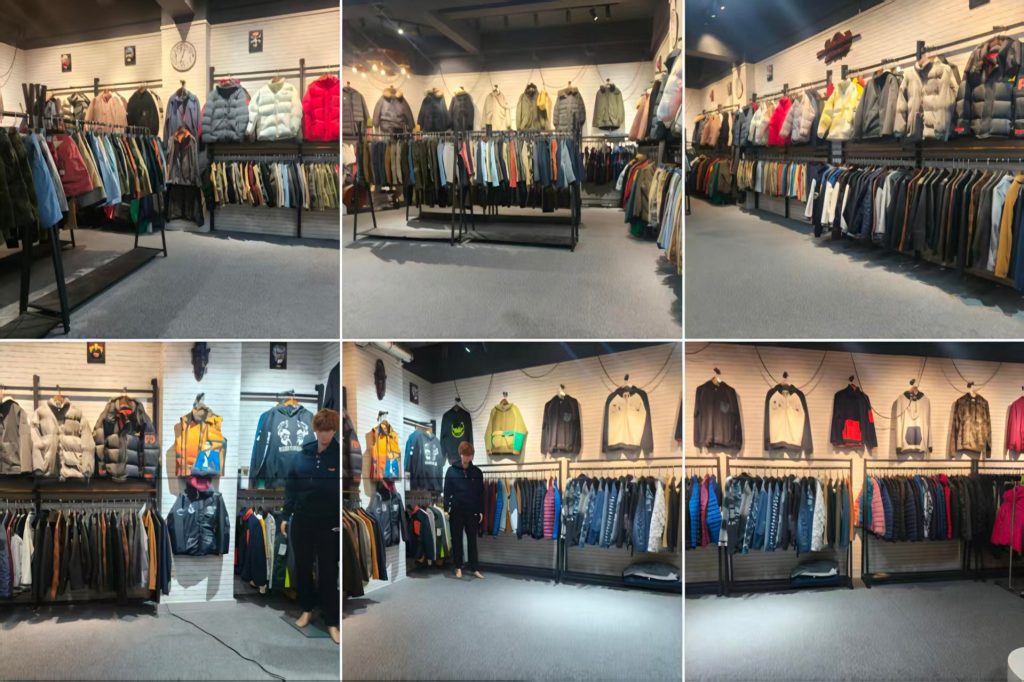
Every GorgeousBen order leaves with a document set the buyer can audit line by line.
Frequently Asked Questions
Who prepares export documents — the buyer or the factory?
As common practice, the exporter prepares the commercial invoice, packing list and certificate of origin, while the carrier or forwarder issues the bill of lading and an insurer issues the insurance certificate. The buyer's job is to supply accurate consignee details and destination requirements, then review the set before shipment. Under EXW the buyer takes on more clearance responsibility than under FOB or DDP, so the trade term decides how the work splits.
What is the difference between a bill of lading and a sea waybill?
A bill of lading is a document of title: the original copy controls who can claim the goods, which matters when payment is secured against documents, as under a letter of credit. A sea waybill is non-negotiable and releases cargo to the named consignee on arrival, which is faster for trusted, open-account trade. Buyers receiving at their own warehouse often accept waybills; those reselling goods in transit usually need full bills of lading.
Can an error on the commercial invoice be fixed after shipment?
Yes, but it costs time. The exporter can issue a corrected invoice or a formal clarification letter, and if a letter of credit is involved, an amendment must be agreed by all parties before banks accept it. Some corrections also require a customs filing update. All of it is slower than a ten-minute review before the container is stuffed — hence the standard advice to check pre-shipment.
Which export documents reduce import duty on garments?
The certificate of origin is the main one: a preferential CO issued under a valid trade agreement can cut or remove tariff where the destination still grants preference for that HS code. Nothing else in the document set reduces duty directly, but accurate invoices and HS codes prevent over-assessment and penalties. Requirements differ by market, so confirm the certificate type with a customs broker before shipment, not after.
Get the Paperwork Right Before the Container Books
Export documents are not administrative overhead; they are the shipment's passport. Five consistent documents and one ten-minute pre-shipment check separate a container that clears in two days from one that sits for two weeks. GorgeousBen prepares a complete, mutually consistent document set with every order and shares it with buyers before departure. Planning an apparel order? Contact GorgeousBen to discuss your shipment, and see the menswear range for what those documents will describe.


