The best jacket fabrics for fall and winter come down to three families: wool for dry cold, waxed cotton for wind and drizzle, and quilted constructions for the deepest weeks of winter. Match the fabric to your climate and your layering habits, and one well-chosen jacket covers most of the season.
Most disappointing jackets are not badly made — they are badly specified. A crisp cotton twill that felt perfect in the shop turns out to be useless against a November wind, or a heavy padded coat spends the whole season indoors because the office heating makes it unwearable. Fabric is the decision that decides everything else. GorgeousBen manufactures menswear in Shishi, Fujian, with more than 20 years of OEM and ODM experience, and the questions buyers ask about jackets are almost always fabric questions first. This guide walks through the five fabric families that matter, and how to pick between them.
What Actually Makes a Fabric Right for Cold Weather
Warmth in a jacket comes from three things: how much air the fabric traps, how well it blocks wind, and how it behaves when it gets damp. Weight matters too, but less than people assume. A dense wool flannel at 350–450 g/m² blocks wind and holds warm air with no padding at all, while a lightweight quilted nylon shell can out-warm it thanks to the trapped air in its padding. So before comparing fabrics, be honest about your conditions: is your cold dry or damp, is it windy, and do you spend your days outdoors or moving between heated spaces? A fabric that is perfect for one set of answers is wrong for the others.
Wool Flannel and Tweed: The Classic Fall Choice
Wool is the natural fit for autumn and the milder weeks of winter. Flannel and tweed have a slightly brushed, matte surface that traps air close to the body, and wool keeps insulating even when it drizzles on it — a property no cotton can offer. A flannel jacket in the 350–450 g/m² range is the sweet spot for most people: warm on a frosty morning, tolerable indoors, and smart enough to wear over a shirt at dinner. Tweed is the heavier, more textured cousin, excellent in dry cold and almost immune to wind. The trade-offs are care and price: wool needs gentler washing or dry cleaning, and moths like it, so off-season storage matters — the same care logic that applies to cotton jacket care, only stricter.
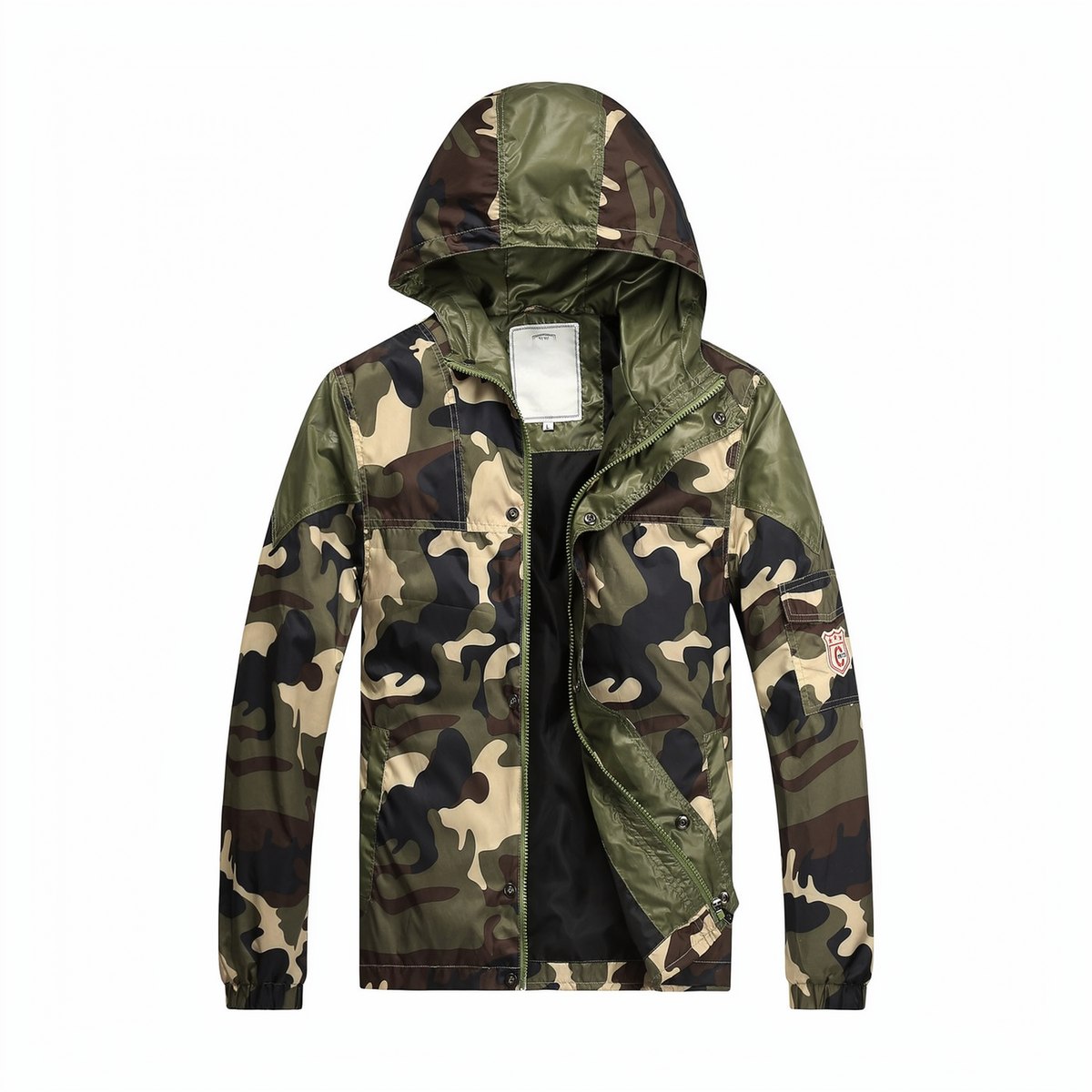
A dense woven face is what makes wool windproof without any padding underneath.
Waxed Cotton: Wind and Drizzle, With Character
Waxed cotton is a tightly woven canvas treated with wax, which closes the weave against wind and light rain. It is the fabric for damp, blustery autumns — the kind of weather where wool feels clammy and a rain shell looks out of place. It starts out stiff and darkens with wear, creasing at the elbows in a way many people come to love. Two practical notes: waxed cotton is not machine washable, it is wiped clean and re-waxed, roughly once a season or once a year depending on use; and it is warmer than plain cotton but not a winter fabric on its own — in January it wants a heavy knit or a quilted liner underneath.
Quilted and Padded Fabrics: The Deep-Winter Option
When the temperature genuinely drops, insulation beats fabric character. Quilted jackets trap air in stitched-through padding — synthetic fill or down — between a shell fabric and a lining. The quilting pattern is not decoration; it is what stops the fill from shifting and creating cold spots. Synthetic-fill quilts keep insulating when damp and machine-wash easily, which makes them the low-maintenance choice; down is warmer for its weight but needs more careful washing. For most men, a quilted jacket works best as the outer layer of a system: shirt, then knit, then the jacket. If your winter is long and genuinely cold, own one quilted jacket and treat the rest of the wardrobe around it.
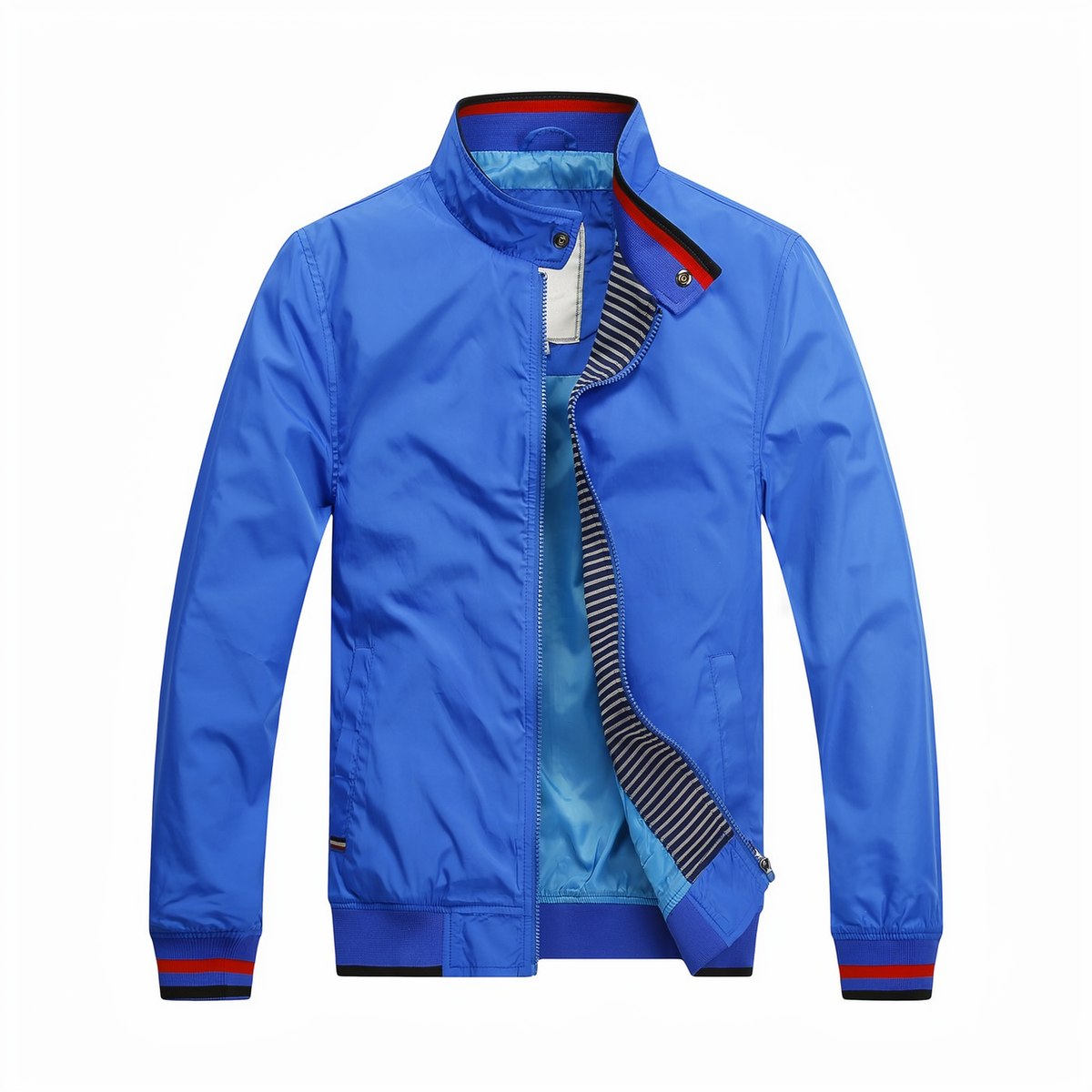
Sturdy hardware and a clean front: the details that matter once a jacket is worn over layers.
Fleece and Heavy Knits: The In-Between Layer
Fleece — usually polyester — sits between the outdoor fabrics and the tailoring. It is warm for its weight, dries fast, costs little and does not mind being stuffed into a bag. It is also not windproof and not smart enough for most offices, which is why fleece works best as a zipped midlayer under a windproof shell or a waxed jacket, rather than as the jacket itself. Merino knits do the same job more elegantly and insulate even when damp. If you already own a good shell, adding a fleece or merino midlayer extends it across two more months of the year — a cheaper move than buying a second heavy coat, and the reasoning is the same as in our merino, fleece and cotton midlayer comparison.
The Five Fabrics at a Glance
| Fabric |
Warmth |
Wind / Rain |
Care |
Best for |
| Wool flannel |
Medium-high |
Windproof / light drizzle |
Dry clean or gentle wash |
Dry cold, smart-casual |
| Tweed |
High |
Very windproof / drizzle |
Dry clean |
Dry cold, outdoors |
| Waxed cotton |
Medium |
Windproof / showers |
Wipe clean, re-wax |
Damp, windy autumn |
| Quilted shell |
Highest |
Depends on shell |
Machine wash (synthetic) |
Deep winter, layering |
| Fleece |
Medium (as layer) |
Not windproof |
Machine wash, fast dry |
Midlayer under a shell |
Matching the Fabric to Your Climate and Wardrobe
A practical way to decide: if your cold is dry and your days move between indoors and out, start with wool flannel — it is the most versatile single choice. If your autumn is wet and windy, waxed cotton earns its keep. If winter where you live is genuinely long and cold, the quilted jacket is not optional. And if you already own jackets and still feel cold, buy a midlayer instead of another coat. Whichever family you choose, check three construction details before buying: a fabric weight appropriate to the season (the ranges in our fabric sourcing guide apply to buyers and shoppers alike), a front closure that seals against wind, and seams that look straight and tight — the visible signs of a factory that controls its production, such as bomber jacket styling built on proper construction.
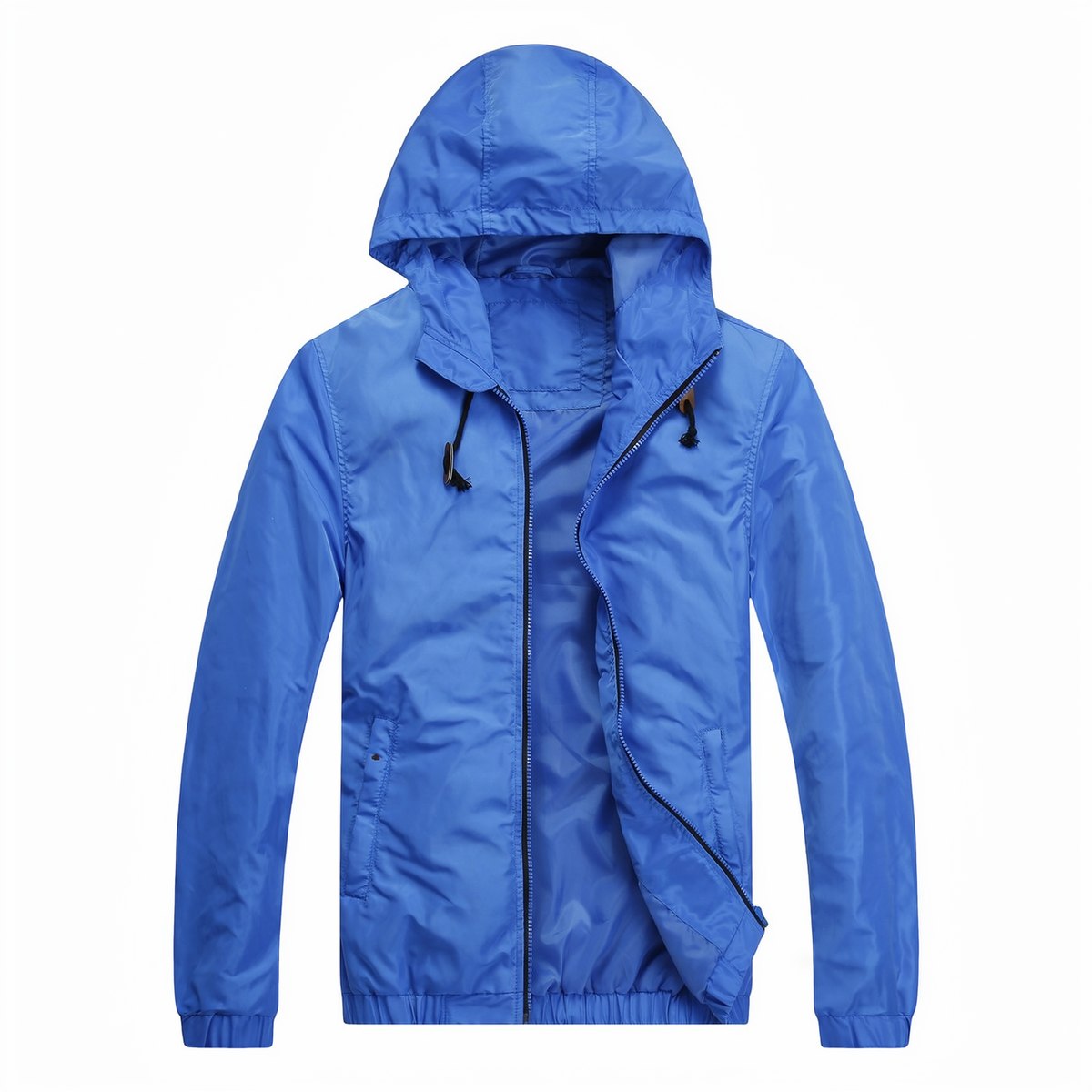
Straight seams, even stitching, a structured front: fabric chosen well, made properly.
Frequently Asked Questions
What is the warmest fabric for a winter jacket?
A quilted construction with down or synthetic insulation is warmer than any single-layer woven fabric, because the trapped air in the padding does the insulating. Among single-layer fabrics, dense tweed and heavy wool flannel are the warmest, and tweed edges out flannel in windy conditions thanks to its thicker, more textured weave.
Is waxed cotton good for winter?
Waxed cotton is excellent for windy, showery autumn weather and tolerable in mild winter, but it is not a deep-winter fabric on its own. Its insulation comes from the dense weave, not padding, so in genuinely cold months it works best layered over a heavy knit or a fleece. It also cannot be machine washed and needs periodic re-waxing.
How many jackets does a man need for fall and winter?
Two are enough for most climates: a wool or waxed jacket for autumn and milder winter days, and a quilted or padded jacket for the coldest weeks. Adding a fleece or merino midlayer extends both jackets across the whole season, which is usually a better use of budget than adding a third coat.
Which jacket fabric is easiest to care for?
Fleece and synthetic quilted jackets are the easiest: machine washable, quick drying and wrinkle-free. Wool needs gentler treatment and moth-aware storage, while waxed cotton sits between the two — no washing at all, but a wipe-down and re-waxing routine once or twice a year to keep its water resistance.
Choose the Fabric First, Then the Jacket
Fit flatters, but fabric decides whether a jacket gets worn. Decide what your winter actually demands — dry cold, wind, drizzle or deep frost — and let that pick the fabric family for you. GorgeousBen produces menswear — jackets, cargo pants, chinos, shorts and shirting — in Shishi, Fujian, working with wool blends, waxed cotton, quilted constructions and technical shells for buyers in 47 countries. Browse the GorgeousBen product catalogue to see current jacket styles, or get in touch with questions about fabrics and customization.


