Sourcing apparel at Canton Fair works when buyers treat the five days as a comparison exercise rather than a shopping trip: fix a daily booth quota, collect identical quotation fields from every exhibitor, judge fabric on the roll instead of the catalogue, and leave with three to five suppliers invited into a sample round.
Phase 3 of the 140th session runs from 31 October to 4 November 2026 at Pazhou in Guangzhou, and it compresses an entire apparel supply market into five days. The common failure is not meeting too few suppliers; it is meeting too many and recording nothing that can be compared. Buyers fly home with a stack of brochures, a camera roll of booths and no way to say which quotation was actually cheaper. GorgeousBen, a menswear manufacturer in Shishi, Fujian with more than 20 years of OEM and ODM experience, exhibits during the apparel phase and sees the difference every session between buyers who leave with a shortlist and buyers who leave with luggage.
Plan the Five Days by Category, Not by Aisle
The Phase 3 halls are grouped by product category, so the fastest way to waste a day is to wander. Before arrival, split the category you buy — cargo pants, casual jackets, knitwear, shirts — into product families and assign each family a block of time. Book appointments with the booths already on your shortlist for the morning, when exhibitors are fresh and willing to talk specifications, and keep the afternoons for the booths you discover on the floor. A fixed quota helps: ten booth conversations a day, properly recorded, beat forty conversations remembered as impressions.
Arrival logistics decide how much of that plan survives. Registration queues are longest on the opening morning, badges and buyer cards should be sorted the day before, and comfortable shoes are a sourcing tool, not a joke. The preparation side of the visit — shortlisting, scheduling and what to carry — is set out in how to prepare for Canton Fair garment booths.
Collect the Same Seven Fields at Every Booth
The fair’s biggest trap is incomparable data. One exhibitor quotes EXW for a 500-piece order, the next quotes FOB for 1,000 pieces in a heavier fabric, and by the weekend the two numbers are memories instead of facts. The fix is mechanical: ask every booth for the same seven fields, written on the booth’s own letterhead or typed into your phone the same hour.
| Field |
What to record |
| Fabric |
Composition and weight in gsm, and whether the mill is disclosed |
| Quotation |
FOB price at your realistic order quantity, not the entry-level price |
| MOQ |
Per style and per colour, and whether colours can be mixed |
| Sampling |
Sample cost and sampling lead time in days |
| Production |
Lead time from deposit to ex-factory at your quantity |
| Payment |
Terms accepted — deposit and balance, letters of credit, others |
| Logistics |
Loading port, and how far it sits from the production address |
Two of these fields separate manufacturers from intermediaries faster than any other question: the weight in gsm, which a factory quotes from memory for its own constructions, and the loading port, which a factory names together with its own address. When a booth hesitates on both, the quotation is being bought from someone else.
Judge Fabric at the Booth, Not in the Catalogue
Fabric is the largest single cost in an apparel quotation and the easiest thing to fake in print. Ask to handle the actual roll or the cut panel of the style you are discussing, not the made-up sample in the display case. Weigh it in the hand against a reference swatch you brought from home, check whether the second colourway of the same style feels identical, and ask for the test report behind the fibre-content claim — a factory that tests its own bulk fabric produces the report in minutes. The numbers on those reports are explained in how to read a fabric test report.
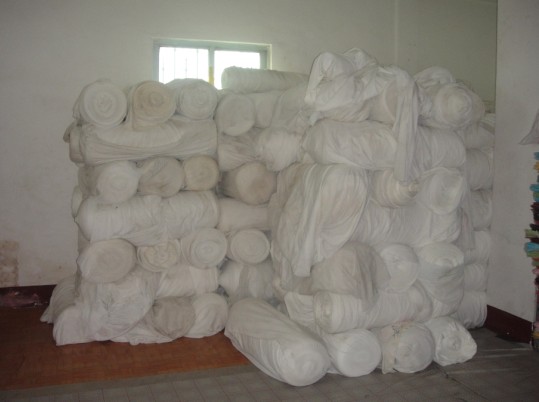
Rolls and swatches, not catalogue pages, are the evidence that a quoted construction is real.
Read Construction Quality Into Your Shortlist
A quotation is only worth what the stitching behind it is worth. For each style you are serious about, turn the sample inside out and check the seam finishing, the stitch density and the bartacks at stress points, then ask for the same style in three sizes to see whether the grading holds. Ten minutes of construction reading, repeated across booths, turns a price list into a quality-adjusted price list. The full booth procedure is described in how to verify a garment manufacturer at Canton Fair.
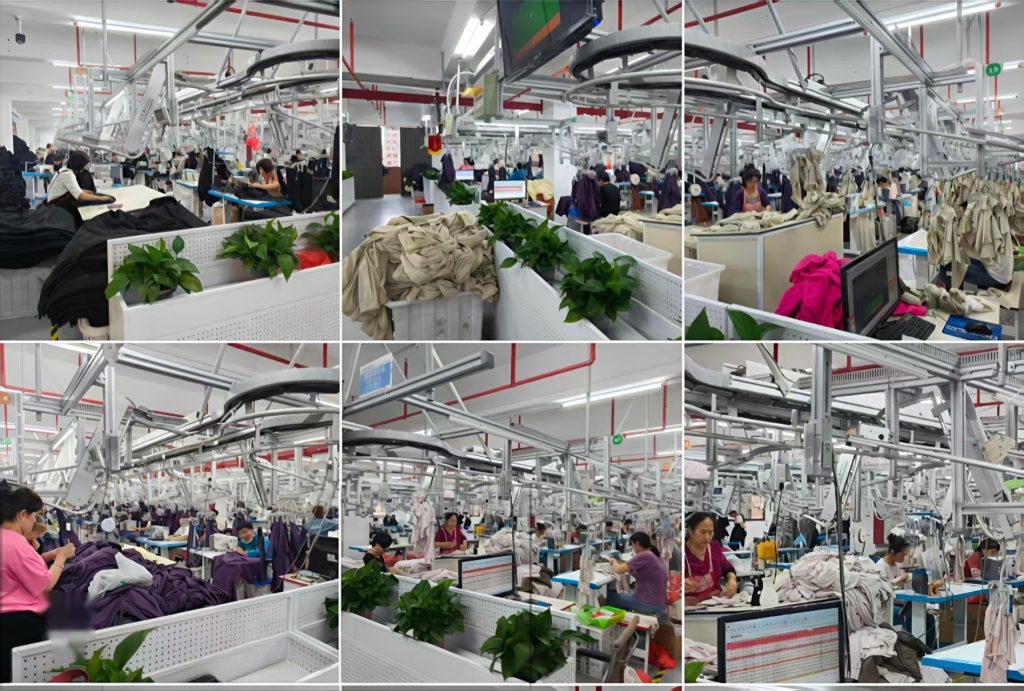
Ask which line would run your order; the answer should be a place, not a promise.
Convert the Shortlist Into Sample Rounds
Each evening, triage the day’s booths into three lists: A for suppliers whose seven fields are complete and who said something specific about your product, B for possible, C for catalogue-only. By the last day, invite the three to five A-list suppliers into a sample round built from your own tech pack, with your measurements, your fabric specification and your labels. Agree the sample cost and the sampling lead time in writing before you leave the booth, so November does not become a negotiation about what was said in October. Sampling prices are structured in apparel sample cost breakdown.
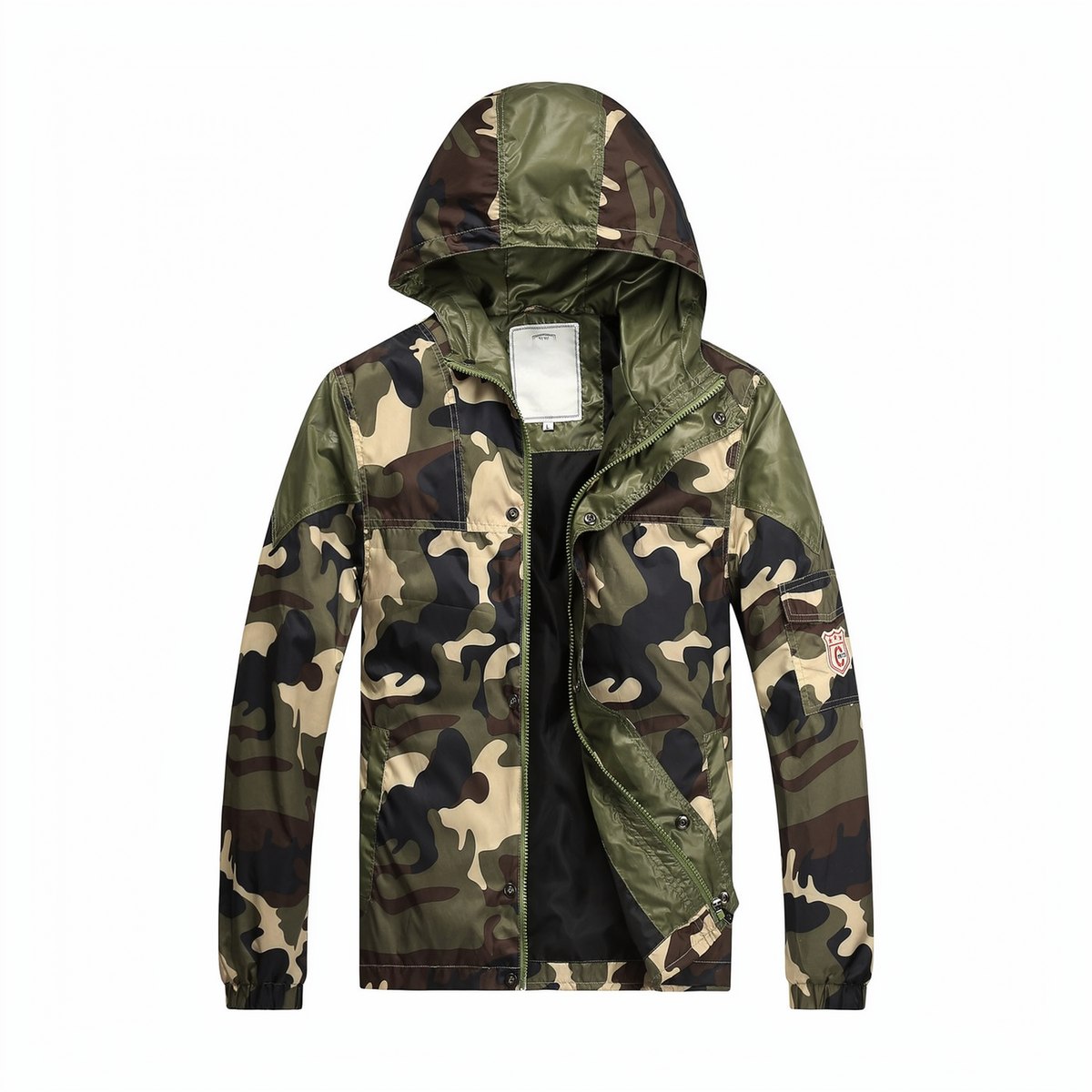
A sample round built from one clear reference style compares suppliers far faster than five vague requests.
How GorgeousBen Works the Apparel Phase
GorgeousBen exhibits during the Phase 3 apparel window and treats its booth the way this guide treats yours: quotations written to a standard template, sample costs and lead times confirmed in writing at the booth, and conversations continued at the company’s own cutting, sewing and packing floors in Shishi, where cargo pants are the flagship construction. The company has manufactured menswear for more than 20 years and ships OEM and ODM programmes to buyers in 47 countries. Buyers who prefer to review styles before travelling can browse the GorgeousBen product catalogue, read the meeting details in Meet GorgeousBen at Canton Fair 2026, or contact the team with target categories and quantities.
Frequently Asked Questions
How many days do buyers need at Canton Fair Phase 3?
Two full days are enough for a focused programme of ten to twenty pre-selected booths, and three to five days suit buyers who need to compare several categories or place orders during the fair. The first day is best spent on the shortlist, the middle days on discoveries, and the last day on revisiting the two or three booths that matter most before leaving Guangzhou.
How do I compare quotes between garment booths fairly?
Record the same seven fields at every booth — fabric composition and weight, FOB price at your quantity, MOQ, sample cost and lead time, production lead time, payment terms and loading port — and enter them into one sheet the same evening. A quotation is only comparable when the fabric weight, the order quantity and the trade term behind it are identical across suppliers.
Can I order samples directly at the fair?
Yes. Most exhibitors take sample orders at the booth, and a genuine manufacturer will confirm the sample cost, the sampling lead time in days and the courier arrangement in writing on the spot. Ask for the sample to be made from your tech pack rather than pulled from the display shelf, because a shelf sample measures the styling, not the factory.
What should buyers do each evening during the fair?
Spend thirty minutes triaging the day into A, B and C lists, completing any missing quotation fields by message while the conversation is still fresh, and confirming the next day’s appointments. Buyers who close each evening with complete data leave the fair with a working shortlist instead of a pile of brochures.


