A typical menswear style passes through four to six sample rounds before bulk, and most disputes trace to one question: which garment is the standard? Sample room management — naming, labelling, storing and referencing each round — decides whether revisions land in bulk or get lost between rounds.
The failure usually looks like this: a fit comment is made on a sample that has already been superseded, the pattern room works from an older version, the bulk garment arrives without the change, and neither side can prove which garment was approved. GorgeousBen has produced menswear for buyers in 47 countries from Shishi, Fujian for more than 20 years, and the sample log — not the invoice — is the document that ends those arguments.
Why Sample Chaos Is Expensive
Uncontrolled samples cost money in three directions at once.
- Re-sampling loops. When two versions of a sample circulate with the same name, the factory sews a correction that was already made, or skips one that was not. Each extra round adds one to two weeks before bulk can start.
- Pattern drift. If the pattern maker grades from an unmarked fit sample instead of the approved one, every size inherits the error — a risk covered in our guide to size grading in apparel manufacturing.
- Disputes without evidence. At inspection time, "that is not what I approved" cannot be settled if the approved garment cannot be produced, dated and compared against bulk.
The Sample Ladder Every Style Passes Through
Each round answers a different question, and each has a different owner of the approval. Confusing the rounds is the root cause of most version chaos.
| Round |
Question it answers |
What the buyer should approve on it |
| Proto sample |
Can this design be made at all? |
Silhouette, construction idea, fabric direction — not measurements |
| Fit sample |
Does it fit the size set? |
Measurements on the body, balance, ease — comment on a numbered garment |
| PPS (pre-production sample) |
Is this the garment bulk will copy? |
Full spec, fabric, trims, workmanship — sign or seal before cutting |
| Sealed / golden sample |
What is the reference at inspection? |
One copy sealed by both sides; bulk is judged against it |
| Shipment reference |
What ships? |
A retained carton sample matching the sealed standard |
What each round costs and why first samples price high is a separate topic, set out in apparel sample cost breakdown.
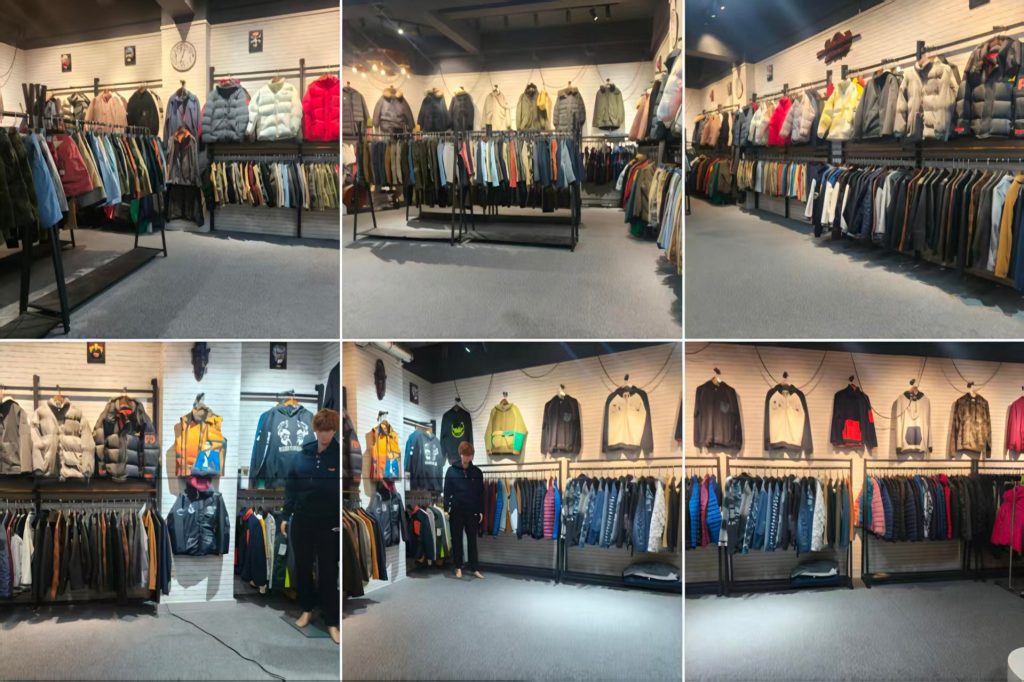
A sample wall only works if every garment carries a round code and a date — the wall is the archive, not decoration.
Version Control Rules a Sample Room Should Follow
Four habits separate a controlled sample room from a pile of near-identical jackets.
- One name per round, no reuse. A sample is identified by style code, round and date — for example "JB-2401 / FIT-2 / 12 Oct". The word "final" is banned until the sealed sample exists, because "final" samples have a habit of multiplying.
- Revision letters on the pattern. Every fit comment becomes a lettered pattern revision (A, B, C) recorded on the pattern itself. The pattern and the sample it produced carry the same letter, so the two can never disagree silently.
- One live version. After a new round is approved, the previous round is marked superseded and leaves the working rack. Old versions may be kept for history, but only one garment may wear the "current" tag.
- Written approval, not verbal. The approval that matters is the buyer’s signature or seal on the PPS, with the measurement sheet attached — the same discipline as approving a tech pack before a factory quote.
What the Sample Label Should Carry
A useful label has eight fields, all written before the sample leaves the sewing floor:
- Style code and sample round (PROTO / FIT-1 / FIT-2 / PPS).
- Revision letter, matching the pattern.
- Date of completion and the maker’s line.
- Size and, for fit rounds, the size set it belongs to.
- Fabric batch or dye lot used for this round.
- Trims fitted on this round — zipper, buttons, labels — cross-referenced to the trim card.
- Open points still to confirm.
- Approval status: pending, approved with comments, or superseded.
With these fields, any question months later — which lot of fabric was on the approved PPS, whether the zipper was changed — is answered from the garment, not from memory.
How Buyers Should Work the Rounds
The system only holds if comments arrive in a usable form.
- Comment on the numbered garment. Reference the round and revision letter in every note, not just "the sample".
- Consolidate comments. One consolidated list per round beats three emails on three days; a split list produces a sample that is half-updated.
- Approve in writing and keep your copy. Ask for your own sealed sample or keep the counter sample with the signature sheet.
- Freeze changes after the seal. Late changes after sealing restart the clock; if a change is unavoidable, request a new revision letter and a new seal rather than a "small fix".
Red Flags in a Factory Sample Room
During a visit or a video call, five signs predict version trouble later.
- Samples on the rack carry no round code or date, only style names.
- "Which one is the approved PPS?" gets a shrug or two different answers.
- Fit comments are taken verbally into the pattern with no revision record.
- The sealed sample cannot be produced when asked — it was sent to the buyer, and no copy was retained.
- Revisions are quoted as new sample charges because nobody tracked that the change was the factory’s error.
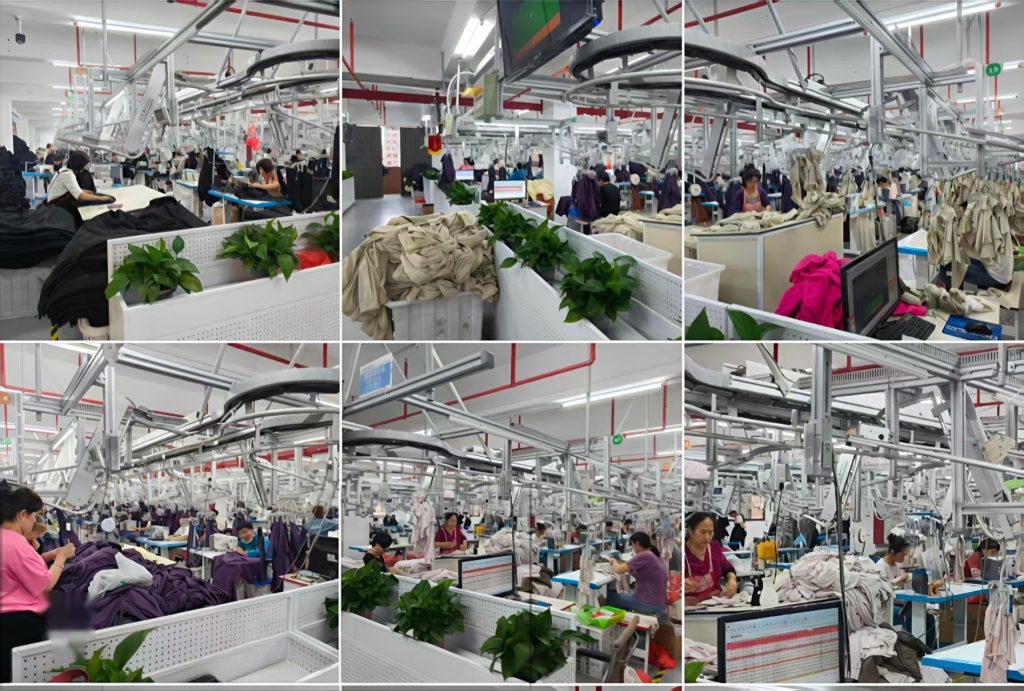
Sample rounds are sewn on the same lines as bulk — which is exactly why the round code must follow the garment.
How GorgeousBen Runs Its Sample Room
GorgeousBen identifies every sample by style code, round and revision letter, photographs each completed round into the style file, and retains a counter sample of every sealed PPS in the factory archive. Fit comments are consolidated into one lettered pattern revision per round, and bulk cutting only starts after the buyer’s written seal. At inspection, the sealed sample and the shipment reference sit beside the cartons, so acceptance is a comparison rather than an opinion.
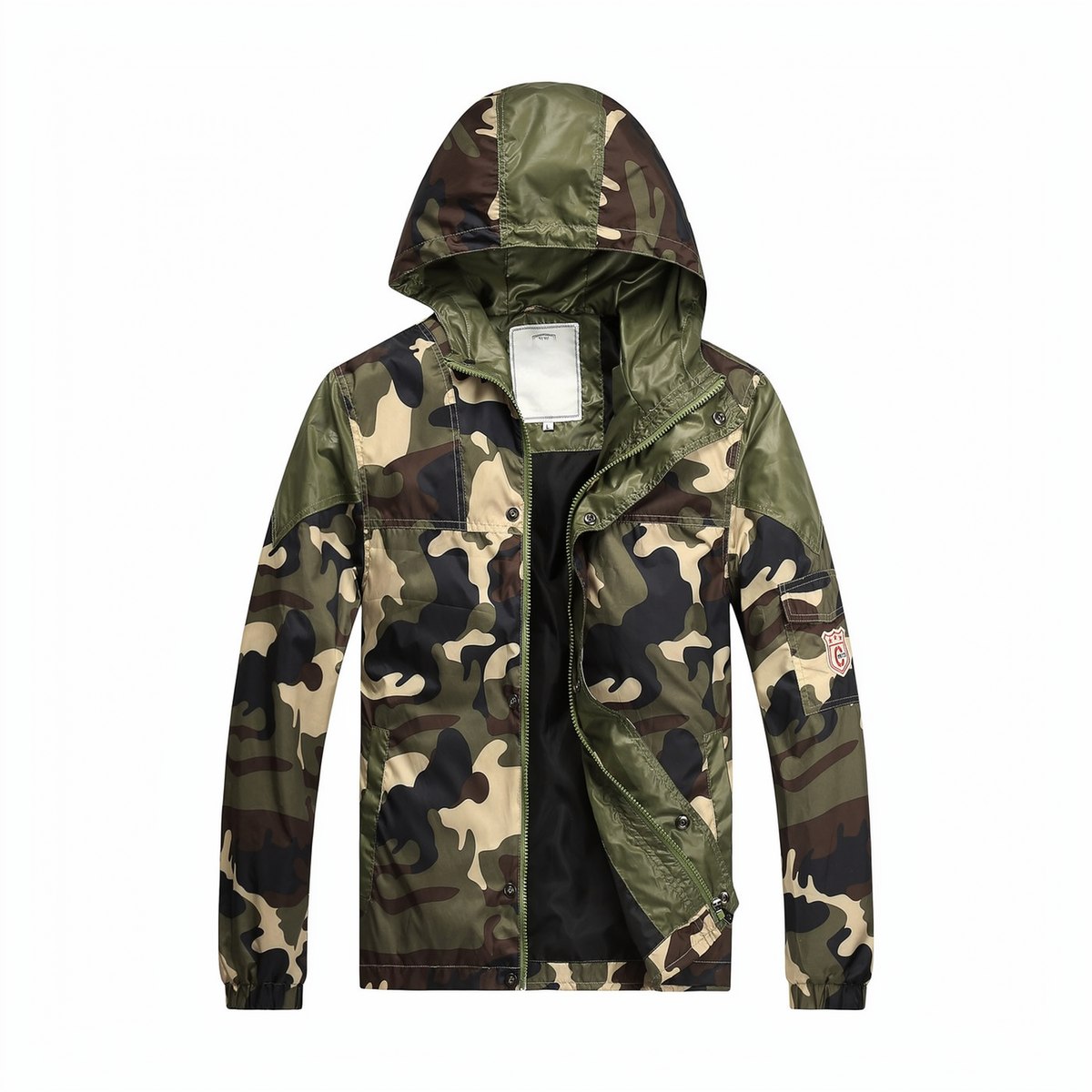
A sealed reference garment — the one garment in the room that answers "what did we approve?".
Frequently Asked Questions
What is the difference between a PPS and a golden sample?
The PPS (pre-production sample) is the garment made in bulk fabric and trims for final approval before cutting. Once the buyer approves it, a copy is sealed by both sides and becomes the golden or sealed sample — the reference used at inspection. In short: the PPS is a request for approval; the sealed sample is the record that approval happened.
How many sample rounds does a style normally need?
For a new style, four to six rounds is typical: one proto, one to three fit rounds depending on complexity, then PPS and sealed sample. A repeat style on existing patterns may go straight to PPS. Rounds above that usually indicate unclear comments or two versions circulating at once.
Who keeps the sealed sample?
Both sides should hold a reference. The factory retains a counter sample in its archive so bulk can be compared during production and inspection; the buyer keeps the signed sample or its counter. If only one copy exists, it should be at the factory where the bulk is actually judged.
Can changes be made after the sample is sealed?
Technically yes, but each change should generate a new revision letter and a fresh seal, not a verbal instruction. Changes after sealing restart fabric, trims or measurements and usually move the delivery date. Freezing the spec at the seal is what makes the inspection meaningful.
Ask for the Sample Log Before You Order
A factory that can show a sample log — rounds, revision letters, dates, seals — will run your bulk the same way. A factory that cannot will improvise, and the cost lands in re-sampling and inspection disputes. GorgeousBen manufactures menswear in Shishi, Fujian and sends a version-controlled sample file with every quotation. Share your style and target quantity through our contact page, or browse the current menswear range to see samples already running for buyers worldwide.


