Home > Blog > Winter Capsule Wardrobe for Men: 12 Pieces That Layer
Winter Capsule Wardrobe for Men: 12 Pieces That Layer
By Ben LeeNovember 28th, 20263 views
A winter capsule wardrobe for men needs only 12 pieces: three base layers, three mid layers, two outer layers, three pairs of trousers and one pair of boots. Worn as a three-layer system, those 12 items cover a working week of cold-weather dressing with dozens of distinct combinations — and a much smaller morning decision than a stuffed closet.
Most winter wardrobes fail in the same way: plenty of warm clothes, but nothing that works together. A heavy coat that fits over nothing but a t-shirt, a sweater too bulky for any jacket, colors that clash once layered. A capsule fixes this by buying pieces that share one job — stacking into layers. This guide builds a 12-piece winter capsule around that layering logic, from the factory floor perspective of GorgeousBen, a menswear manufacturer in Shishi, China.
Why 12 Pieces Beat a Full Wardrobe
A capsule works because every piece has at least two partners to combine with. Twelve items chosen for compatibility give more wearable outfits than thirty items bought on impulse — and fewer regretted purchases. The same discipline buyers apply at the factory applies at home: define the system first, then buy into it. If your closet is already full, start instead from the mistakes worth correcting, covered in the capsule wardrobe mistakes guide; if you only need a lighter autumn version, the 10-piece fall capsule is the warmer-weather counterpart.
The 12 Pieces at a Glance
Layer
Piece
Why it earns the spot
Base
2 long-sleeve thermal tops (one grey, one navy)
Wick moisture; neutral under everything
Base
1 plain heavyweight t-shirt
Milder days; doubles as loungewear
Mid
1 merino or fine-knit crewneck sweater
Warmth without bulk; collar-friendly
Mid
1 fleece or heavy sweatshirt
Casual insulation, forgiving fit
Mid
1 zip hoodie
Adjustable warmth; works as light outer in dry cold
Outer
1 insulated puffer jacket
Deep-cold standby; packs down small
Outer
1 quilted or padded jacket, tailored cut
Smart-casual outer for work and evenings
Bottom
2 pairs of straight chinos (navy, grey or olive)
Layer-friendly waist; room for a thermal underneath
Bottom
1 pair of heavier winter trousers or dark denim
Wind resistance and texture contrast
Foot
1 pair of leather boots, plain toe
Grip, weather resistance, suits both outers
That is 12. Accessories — a beanie, gloves, a scarf — live outside the count because they substitute freely and cost little.
The Three-Layer Winter System
The layering order does the heating, not any single garment:
Base layer: sits on skin and moves sweat out. Cotton holds moisture and chills; a thermal knit or merino base is the common industry answer. Fabric choices for the middle are compared in the merino vs fleece vs cotton guide.
Mid layer: traps warm air. Sweater, fleece or hoodie — one on the body, the other two rotating by formality and temperature.
Outer layer: blocks wind and rain while letting the layers below breathe. This is where construction matters most, and where the two-jacket strategy earns its place.
Sizing is the quiet failure point: each layer needs room for the one beneath it. A slim-fit shirt under a slim sweater under a slim jacket leaves no air to trap — and no movement. This is also why capsule trousers sit straight rather than skin-tight in winter.
The Outer Layer: One Puffer, One Quilted Jacket
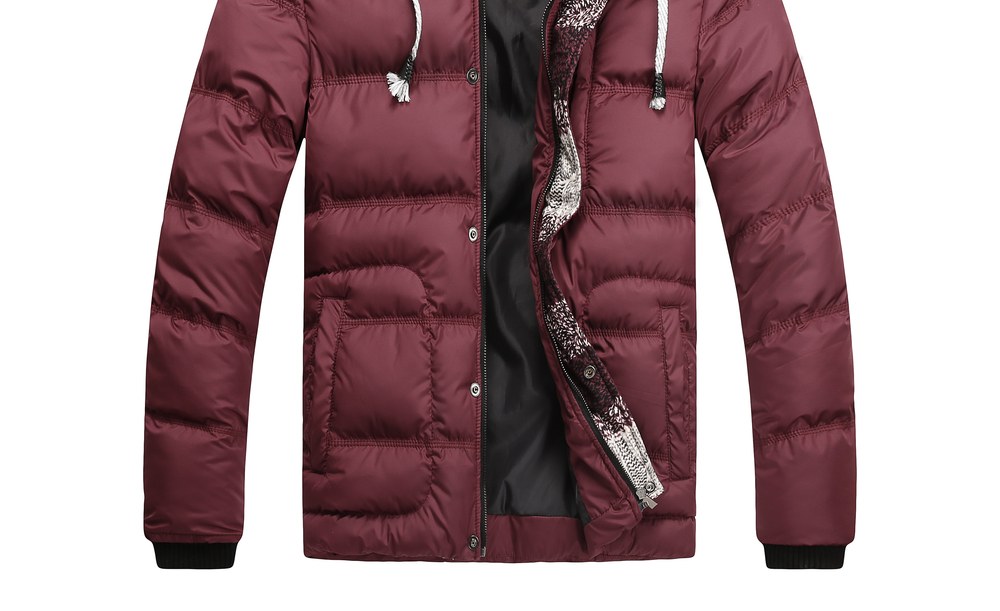
The puffer does the deep-cold shifts: full insulation, hood up, worn over a mid layer without ceremony.
Two outers cover winter because their jobs differ. The puffer is for the coldest days and the most casual settings — boxy on purpose, worn open or zipped, indifferent to wrinkles. The quilted jacket carries the smart-casual load: a tailored cut, a stand collar, pockets that look designed rather than added. Which fabrics actually keep their promises in each is a materials question, covered in the jacket fabric guide — here the point is simply owning both roles instead of forcing one coat to do two.
Mid Layers: Sweater, Sweatshirt and Zip Hoodie
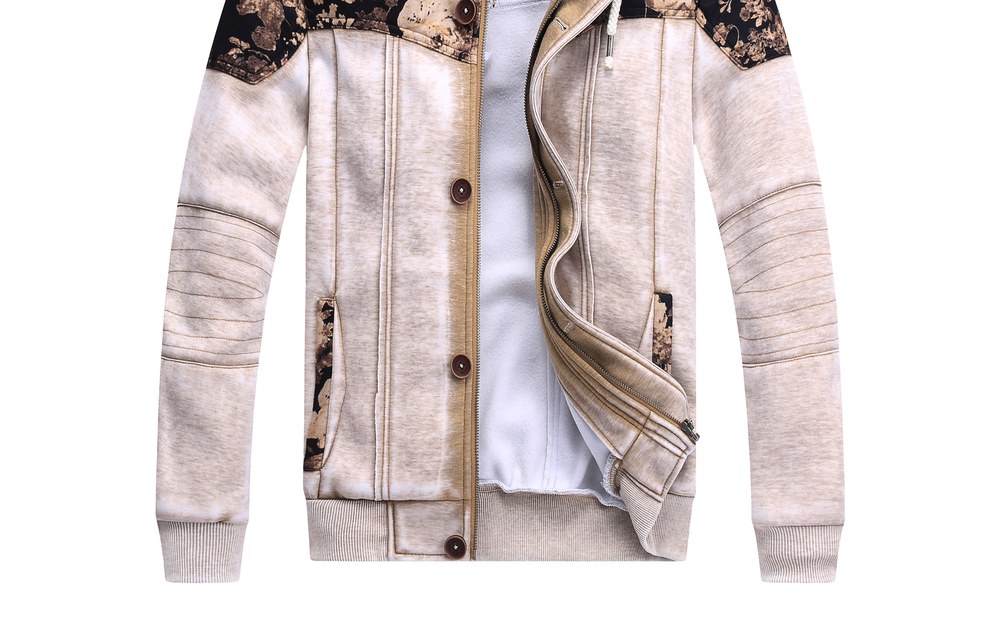
A button-front sweatshirt doubles as a mid layer indoors and a casual outer on dry, milder days.
Three mid layers rotate by temperature and dress code. The fine-knit sweater sits under the quilted jacket for anything approaching business casual. The sweatshirt is the weekend default. The zip hoodie is the most flexible of the three: fully zipped it is a light jacket, open it vents heat on a crowded commute, and worn under the puffer it is the warmest combination in the capsule. How to keep that hoodie looking deliberate rather than sloppy — fit, fabric weight, what to pair it with — is covered in the hoodie styling guide.
Bottoms, Boots and a Palette That Always Matches
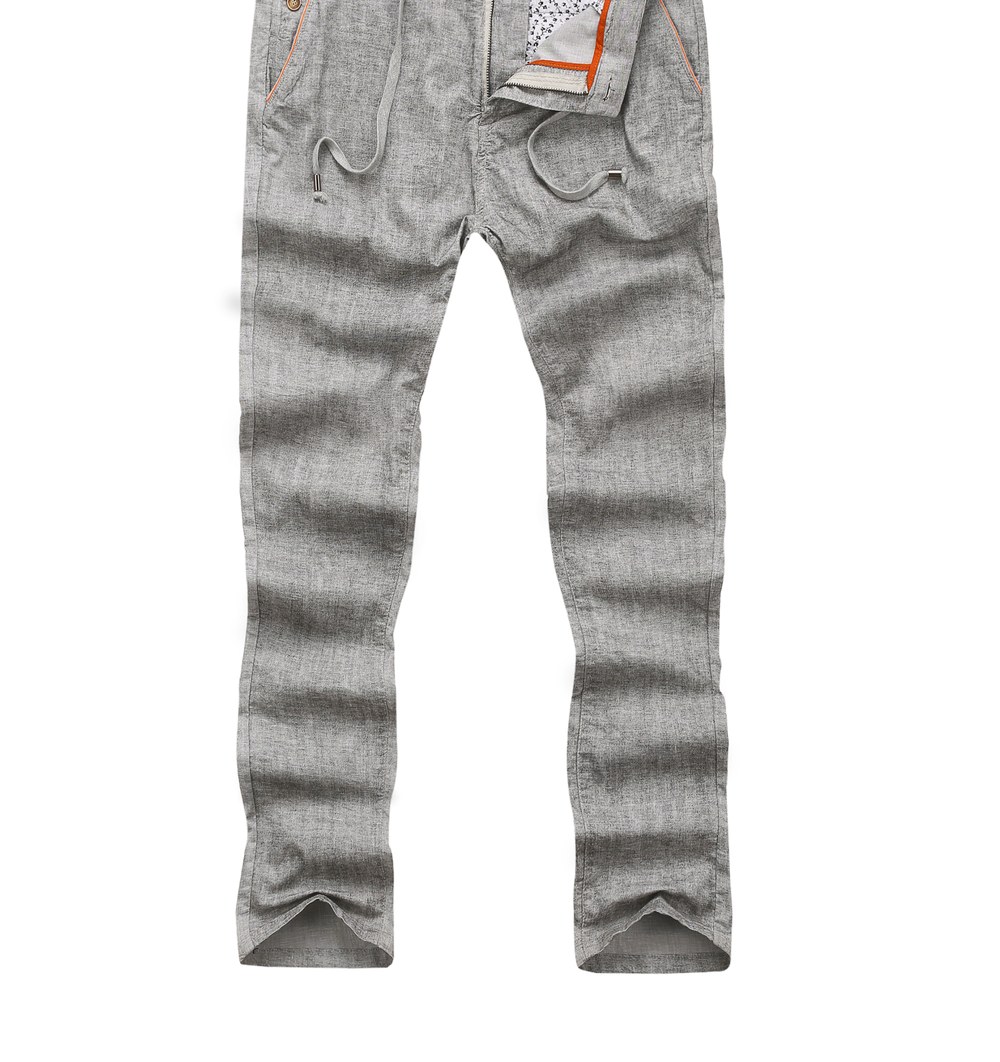
Straight-fit chinos in grey: mid-rise, room enough for a thermal underneath, and matched by everything above.
Winter bottoms need one property people forget to check: a waist and thigh that sit comfortably over a base layer. Straight-fit chinos in navy, grey and olive carry the week; heavier trousers or dark denim take the windiest days. Fit, fabric weight and color rules for chinos specifically are covered in the chinos fit and fabric guide. Keep the palette to neutrals — grey, navy, olive, camel, off-white — and every layer combination works without planning. Boots in a plain toe finish both outer jackets; sneakers can wait for spring.
Five Outfits From These 12 Pieces
Deep cold commute: thermal top + zip hoodie + puffer + chinos + boots. The warmest stack in the system.
Office day: thermal top + merino sweater + quilted jacket + navy chinos + boots. Reads smart-casual with the collar showing.
Weekend errands: heavyweight tee + sweatshirt + quilted jacket + olive chinos + boots. One layer off indoors without losing the outfit.
Mild winter afternoon: heavyweight tee + zip hoodie (as outer) + grey chinos + boots. The hoodie works as a jacket, not under one.
Evening out: thermal top + merino sweater + quilted jacket + dark trousers + boots. The puffer stays home; the quilted layer does the talking.
Single-garment styling — how to build outfits around one jacket rather than a full system — is a different exercise, covered in the bomber jacket outfits guide.
Frequently Asked Questions
How many pieces should a men’s winter capsule wardrobe have?
Twelve to fifteen is the practical range for a true cold season: three base layers, three mid layers, two outer layers, three bottoms and one pair of boots, with accessories counted separately. Fewer than ten forces a single jacket into too many roles; more than twenty usually means duplicate pieces that never rotate.
What is the three-layer rule for winter dressing?
Wear a base layer against the skin to move moisture out, a mid layer to trap warm air, and an outer layer to block wind and precipitation. Adjust warmth by changing the mid layer or adding one — not by buying a thicker coat. Sizing each layer to fit over the one beneath matters as much as the fabrics themselves.
Can a winter capsule wardrobe work in milder climates?
Yes, by weight, not by count. Keep the same 12-piece structure and shift the mid layers lighter — a sweatshirt replaces the fleece, the puffer becomes optional — and let the zip hoodie carry more outer-layer duty. The layering system is what transfers; the garment weights flex to the climate.
What fabric weight should winter mid layers have?
As a common industry benchmark, sweatshirts and hoodies for genuine cold sit around 300 to 380 gsm, with lighter 240 to 300 gsm pieces working for milder regions and indoor use. Above roughly 400 gsm, warmth rises but bulk under an outer layer becomes the limiting factor — check the weight before buying, not the feel in a warm store.
Building a winter capsule is the same discipline GorgeousBen applies on the production line: define the system, choose pieces that do compatible jobs, and let the combinations do the work. If you are sourcing menswear — padded jackets, sweatshirts, chinos and more — browse the GorgeousBen product range or contact the team to discuss manufacturing.